Culture news and discussion on TalkFuse.
WATCH: Smithsonian director admits she sees history as ‘tool’ of ‘social justice’ after explosive hearing
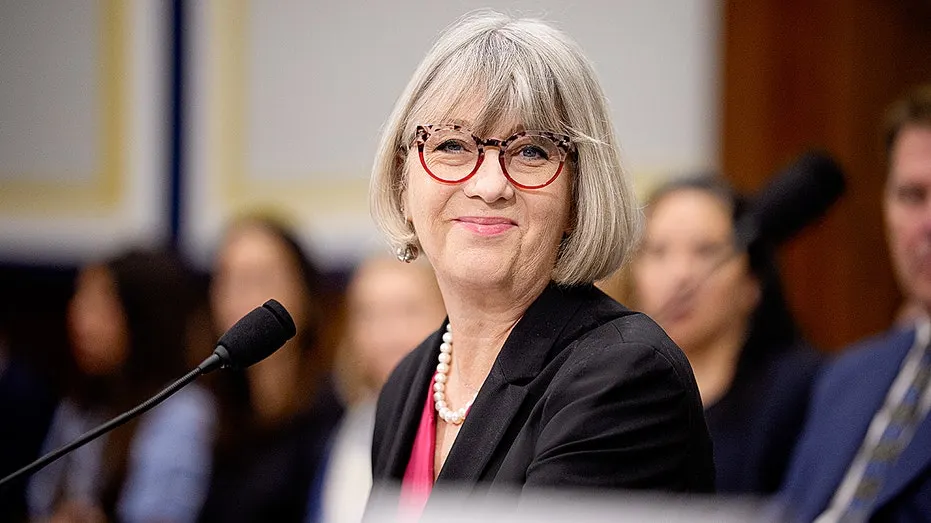
A resurfaced video of Smithsonian National Museum of American History Director Anthea Hartig, in which she describes "history as a practice" as a "prime tool of social justice," has emerged shortly after she testified before Congress defending the institution's objectivity and nonpartisanship. Critics argue the remarks undercut her sworn testimony during a series of July hearings on Capitol Hill examining allegations that the Smithsonian has been subject to "woke ideological capture," fuelling further scrutiny of how the museum approaches historical interpretation.
The footage reportedly comes from a presentation Hartig gave, in which she framed history through an explicitly social-justice lens, contrasting with the more neutral posture she presented to lawmakers during the congressional hearings. The controversy adds to an ongoing political row over the Smithsonian's editorial direction and comes amid broader Republican-led efforts to probe alleged bias in federally funded cultural and educational institutions.
In short
- Resurfaced video shows Smithsonian history director calling history a "tool" for social justice
- Comments appear to contradict her recent congressional testimony on Smithsonian objectivity
- Follows hearings into alleged "woke ideological capture" at the institution
Steelman: both sides, in good faith
The strongest fair case each way — we don't pick a winner.
The case for
All historical interpretation necessarily involves choices about what to emphasise and which perspectives to centre; true scholarly rigour requires transparency about these choices and careful evidence-handling rather than false claims of objectivity that privilege existing narratives. Understanding how history has shaped present inequities is fundamental to serious historical education; dismissing this as ideology rather than scholarship reflects political opposition to previously marginalised voices receiving proper scholarly attention. More inclusive historical work that centres previously understudied perspectives represents fuller, more rigorous scholarship rather than bias driven by predetermined conclusions.
The case against
The contradiction between testifying under oath about institutional objectivity and publicly describing history as a 'tool' for particular outcomes raises credibility concerns about whether the director's sworn testimony reflected her actual institutional philosophy. Museums should maintain scholarly neutrality by presenting evidence comprehensively rather than selecting and framing it as a tool to advance specific political outcomes, however well-intentioned. The concern is not that difficult histories should be avoided, but that framing institutional work explicitly around advancing particular aims invites ideological bias in what and how history gets presented.
Explained simply
The Smithsonian Institution is a group of museums and research centres in the United States, supported in part by federal funding. Its National Museum of American History collects and interprets objects and records connected to the country’s past.
Anthea Hartig directs that museum. Historians and museums make choices about which subjects to explore and how to explain them; debates over those choices can become political, especially when public money is involved.
Congress is the US legislature, and its committees can hold hearings to question officials and examine institutions. The dispute reflects wider arguments over how publicly supported museums should present contested parts of history and demonstrate impartiality.