Health news and discussion on TalkFuse.
Watchdog files IRS complaints against six mental health nonprofit organizations over alleged racial discrimination, LGBT preference
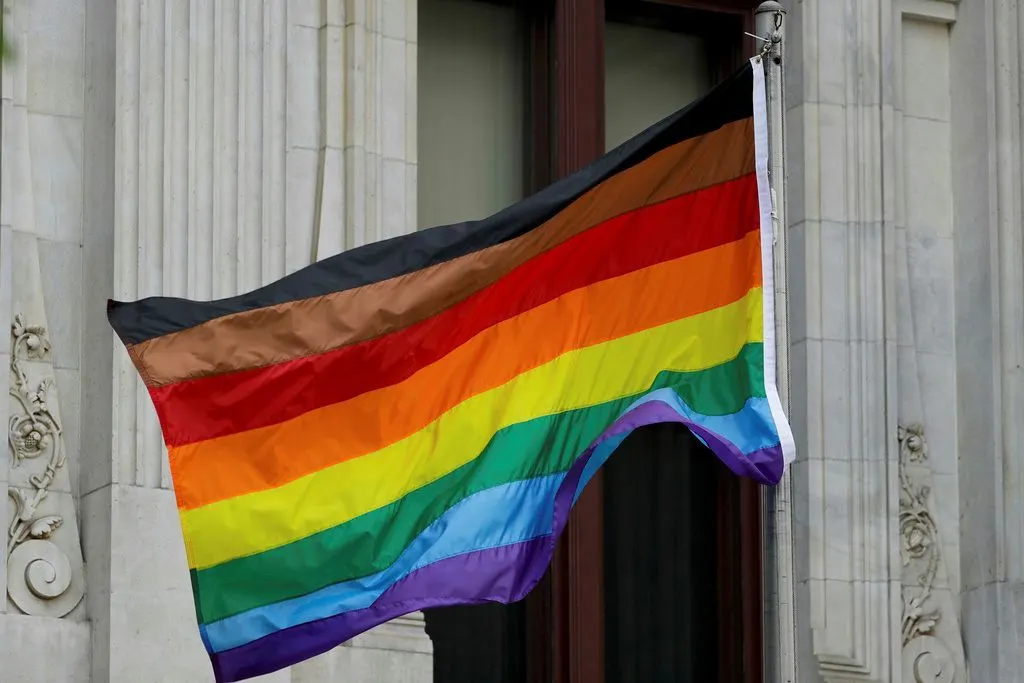
Do No Harm, a medical watchdog, has asked the IRS to investigate six mental health nonprofits over alleged race-based eligibility rules. It argues that the organisations should lose their tax-exempt status if they continue policies it says discriminate by race or favour LGBT applicants.
One complaint concerns a California therapist network whose application asks whether prospective members are queer or transgender and identify as Black, Indigenous or a person of colour; applicants answering no are asked again about race, and a second no ends the application. The complaints, filed with the nonprofits this week, also cite access to benefits such as free therapy and scholarships of up to $10,000 in two programmes.
In short
- Do No Harm filed six complaints with the IRS.
- Complaints challenge race-based eligibility rules at mental health nonprofits.
- Cited benefits include free therapy and scholarships up to $10,000.
Steelman: both sides, in good faith
The strongest fair case each way — we don't pick a winner.
The case for
The watchdog’s case is that charities with tax-exempt status should make services and opportunities available without excluding people on grounds such as race or sexual identity. If eligibility rules deny therapy, scholarships or membership to some applicants because of those characteristics, the IRS has reason to examine whether the organisations are meeting the obligations attached to their tax status.
The case against
The nonprofits may argue that targeted programmes respond to documented barriers and under-representation in mental health care, and are intended to reach communities that have been underserved rather than to express hostility towards others. They could also contend that limited scholarships and support programmes can lawfully focus on particular groups, and that the complaints should not determine their tax status without a careful review of the policies and their effects.
Explained simply
US charities can qualify for federal tax-exempt status, which means they generally do not pay federal income tax and may receive tax-deductible donations. The Internal Revenue Service (IRS) oversees that status and can review whether an organisation meets the rules for it.
Do No Harm is a medical watchdog group that has filed complaints asking the IRS to examine six mental health nonprofits. The complaints focus on rules for joining or receiving support, including free therapy and scholarships, that Do No Harm says use race or favour LGBT applicants; the organisations’ policies and the IRS’s assessment will determine how the claims are handled.
The issue matters because it concerns how nonprofits set eligibility for services and whether those rules affect their tax treatment. The complaints are allegations, not findings by the IRS.