World news and discussion on TalkFuse.
Water bosses’ total pay rises despite bonus ban and public fury over sewage
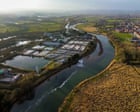
Water company executives’ total reported pay increased despite a government ban on bonuses for firms linked to serious pollution or financial failures. The disclosure is likely to intensify public and political anger over rising bills, sewage discharges and the financial instability of Thames Water, while raising questions about whether companies are circumventing the restrictions.
Analysis of 14 major English and Welsh water companies found chief executives’ and finance chiefs’ pay rose 1.5% to £25.3m in the year to March, from £24.9m. United Utilities’ Louise Beardmore received the largest package, £2.5m, while Anglian Water’s Mark Thurston received £1.9m including a £500,000 retention payment; eight companies expect to fall under the retrospective 2025-26 bonus ban.
In short
- Water executives’ total pay rose despite the bonus ban.
- Reported senior pay reached £25.3m across 14 companies.
- Retention payments may sit outside bonus restrictions.
Steelman: both sides, in good faith
The strongest fair case each way — we don't pick a winner.
The case for
Water utilities face complex operational and financial challenges requiring experienced executive leadership. A 1.5% salary increase is relatively modest, and whilst bonuses are restricted, retention payments serve legitimate purposes in stabilising struggling companies like Thames Water. Attracting and retaining top talent in competitive markets demands market-rate compensation; without competent leadership, these firms risk further deterioration and service failures.
The case against
Water company executives are receiving substantial compensation packages whilst customers endure rising bills, sewage pollutes waterways, and companies demonstrably fail their core environmental responsibilities. The continued pay rises, achieved through retention payments following bonus restrictions, suggest executives are circumventing accountability measures. This represents a governance failure where those leading failing services remain insulated from financial consequences whilst the public bears the costs of their underperformance.
Explained simply
England and Wales have 14 major privately owned water companies that supply drinking water and treat sewage for millions of homes and businesses. These companies operate as regional monopolies, meaning customers cannot switch to an alternative provider.
In recent years, these companies have faced mounting criticism over rising water bills, widespread raw sewage discharges into rivers and coastal waters, and serious financial instability. Thames Water, the sector's largest company, has faced particular scrutiny over its financial difficulties and environmental failures.
In response to public and political anger, the government introduced a ban on bonus payments for executives at water companies linked to serious pollution or financial failures. The measure was intended to create consequences for leadership when companies failed their customers or damaged the environment.
Americas Business Companies Elections Environment Government Politics Science World