Science news and discussion on TalkFuse.
Wave of overlooked ‘left-wing’ lawsuits could come with an unexpected price tag for Americans
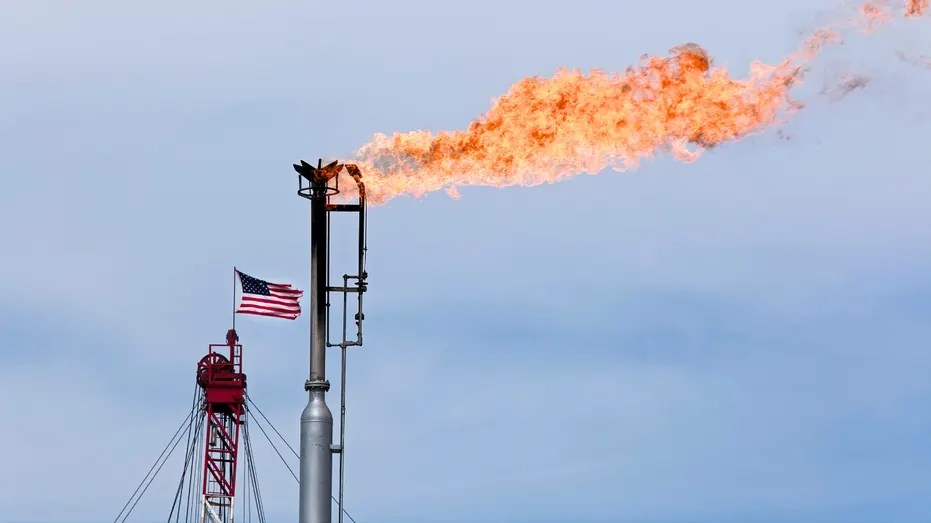
A report by the Heritage Foundation and Power The Future estimates that American households could pay an average of $1,465 more annually in energy costs if climate lawsuits and related “superfund” measures against oil and gas companies succeed. The authors say companies would likely pass additional costs to consumers through higher prices for petrol, electricity and other essentials, while the issue gains attention ahead of a major Supreme Court case.
The analysis covers more than 300 pending lawsuits, three state climate-superfund laws, 12 proposed state measures and one federal bill. In its full-success scenario, it estimates $194 billion in extra annual costs, potentially adding about 41 cents per gallon of petrol and raising residential electricity rates by 8.6%; the authors stress that this is not a prediction that every measure will succeed. The Supreme Court’s case involving Boulder, Colorado, could determine whether state and local governments may pursue such claims in state courts.
In short
- Climate lawsuits could raise household energy costs if they all succeed.
- Report estimates $194 billion in additional annual industry costs.
- Supreme Court case may shape future climate litigation.
Steelman: both sides, in good faith
The strongest fair case each way — we don't pick a winner.
The case for
Supporters of climate litigation argue that fossil fuel companies have caused measurable environmental and public health damage that the legal system should remedy. The scientific consensus is clear that climate change is primarily caused by fossil fuel consumption; under the polluter-pays principle, companies should bear accountability for harm caused rather than externalising costs onto society and taxpayers. Without legal consequences, companies lack incentive to internalise environmental costs. Critically, the long-term damages of unchecked climate change—catastrophic weather, health impacts, infrastructure losses—far exceed the estimated $1,465 annual household adjustment cost, and these represent legitimate legal claims pursued through established constitutional channels.
The case against
Opponents contend that whilst environmental concerns are legitimate, litigation represents a substantial indirect cost borne by consumers, particularly lower-income households for whom energy expenses are a significant budget item. The analysis suggests households would pay $1,465 more annually through higher fuel and electricity bills, as companies pass costs to consumers rather than shareholders. Rather than addressing climate policy through transparent democratic processes and public debate about trade-offs, pursuing 300+ overlapping lawsuits creates inefficiency and duplicative legal action. Energy prices already strain household budgets, and legal uncertainty from pending suits discourages investment in infrastructure and innovation. Complex policy questions involving environmental protection and economic impact should be determined through democratic governance where citizens openly debate priorities, not fragmented litigation.
Explained simply
Governments, cities and communities across America are pursuing legal claims against oil and gas companies, arguing that fossil fuel producers should pay for the damage caused by climate change. These lawsuits are based on a "superfund" model, an approach used for decades to make polluters financially responsible for environmental harm. Hundreds of such cases are now working their way through American courts.
The defendants are fossil fuel companies, whilst the plaintiffs include local and state governments seeking compensation for climate-related costs such as flooding, drought and infrastructure damage. The outcome could reshape how companies in the energy sector are held accountable, and courts must decide whether these cases can proceed under existing law.
The debate centres on who ultimately bears the financial burden of climate change. If companies lose these cases, they are likely to pass at least some costs to consumers through higher petrol and energy prices, which could significantly affect American households.