Waylon Jennings faced a hostile New York crowd in 1973 and introduced himself with four unforgettable words
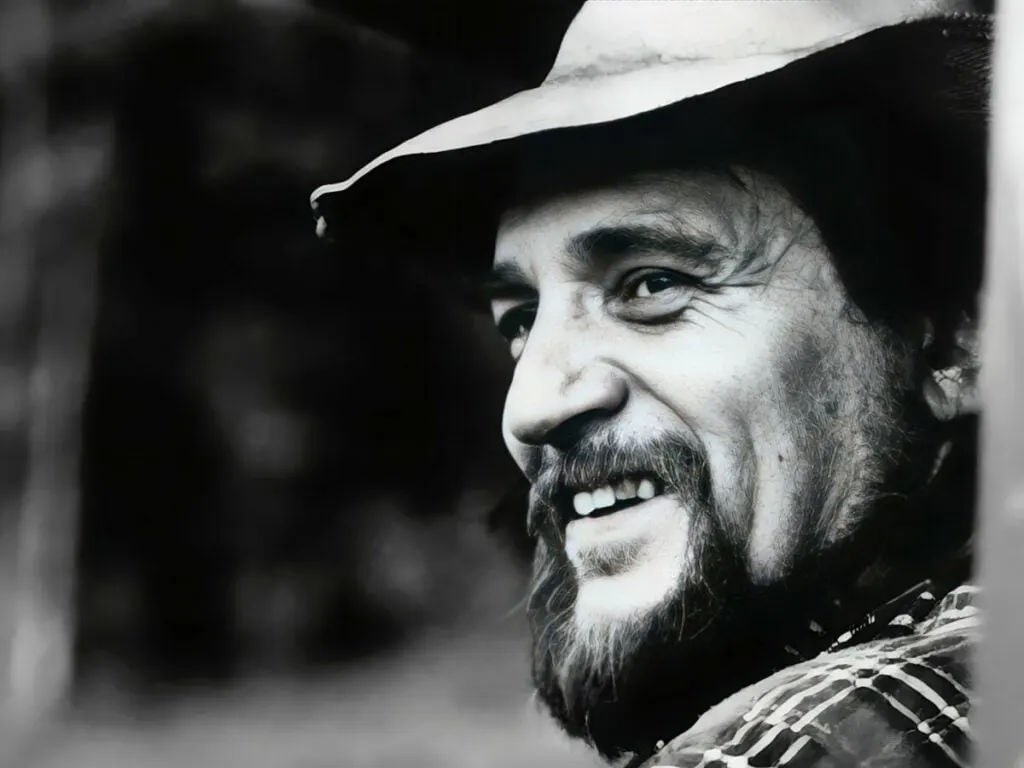
In January 1973, country musician Waylon Jennings played a six-night run at Max’s Kansas City, a New York venue associated with experimental and punk-adjacent acts. The audience was largely indifferent or hostile to country music, so Jennings introduced himself defiantly: “I’m Waylon ‘Goddamn’ Jennings, and this is country music.”
The residency did not win over the crowd, many of whom barely knew who he was. The article presents the booking as a rare cultural collision between country music and New York’s avant-garde scene, and argues that Jennings’s unapologetic performance helped bridge those worlds.
- Jennings faced a hostile crowd at Max’s Kansas City.
- He introduced himself with a defiant four-word epithet.
- The residency symbolised a clash between country and avant-garde scenes.
New here? Start with this
In the early 1970s, country music was strongly associated with Nashville and a sound rooted in rural American traditions. New York’s Max’s Kansas City, by contrast, was a meeting place for artists and musicians exploring newer styles, including the emerging punk scene.
Waylon Jennings was a country singer and guitarist who helped shape the genre’s outlaw movement, which favoured a more independent image and sound. His six-night booking at Max’s brought him before listeners who were largely unfamiliar with country music, making the residency an unusual encounter between two different music scenes.
The shows did not make Jennings popular with the crowd, but they illustrate how musicians and audiences from different traditions sometimes met in the same venues. The episode also reflects the period’s changing music culture, as country performers asserted their identity beyond Nashville.