World news and discussion on TalkFuse.
“We can get any IP” – Saber CCO on why reviving dormant franchises is the big, obvious secret the the publisher’s success, and why Xbox could learn from it
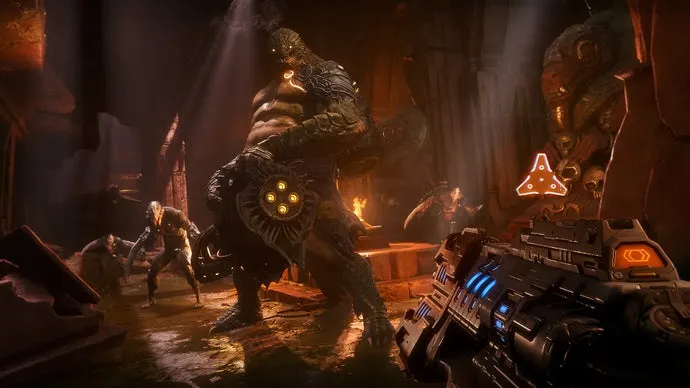
Saber Interactive's chief creative officer Tim Willits has attributed the studio's recent success to its willingness to revive dormant video game franchises, telling Eurogamer at Gamescom that "we can get any IP". This approach has powered a string of releases including Warhammer 40,000: Space Marine 2, alongside new entries in older series such as Turok and Stuntman, at a time when many studios go long stretches between releases. Willits suggested other companies, particularly Microsoft, could take a similar approach given the amount of unused IP sitting idle within large publishers.
Willits explained that Saber only greenlights projects it believes can earn four times their production cost, citing SnowRunner (made for around $6 million but generating hundreds of millions in revenue) and World War Z (played by 32 million people) as examples of small teams turning modest ideas into major hits. He also discussed his own history at id Software, where he worked on Hexen and Strife in 1996, joking he could try to secure the rights to Strife from Microsoft, which now owns both id Software and Activision's back catalogue. Saber currently has multiple titles in development, including Turok Origins, Clive Barker's Hellraiser: Revival and Warhammer 40,000: Space Marine 3.
In short
- Saber Interactive CCO says reviving old IP drives its success
- Projects greenlit only if likely to earn 4x costs
- Willits suggests Microsoft could revive dormant franchises similarly
Steelman: both sides, in good faith
The strongest fair case each way — we don't pick a winner.
The case for
Reviving dormant franchises can give players more of the worlds they already love while helping publishers make use of valuable but neglected IP. Established names may also lower the risk of launching a new game, and Saber’s examples suggest that focused teams can turn modest budgets into widely played releases. If large publishers have capable teams and suitable ideas, bringing selected series back could broaden their output and reduce long gaps between games.
The case against
A familiar franchise does not guarantee a successful game, and relying on existing IP may divert money and staff from new ideas or from other series that deserve support. The reported successes are selective examples; they do not show that revivals generally meet Saber’s demanding revenue threshold or that the same results would transfer to a much larger publisher such as Microsoft. Careful rights negotiations, audience expectations and the creative fit of each project can also make dormant properties costly or difficult to revive.
Explained simply
Video game franchises are series built around familiar worlds or characters, and their owners control the rights to make new games using them. When a series goes years without a new release, it is often called dormant, though its rights may still belong to a publisher or another company.
Saber Interactive is a game developer and publisher whose recent releases include Warhammer 40,000: Space Marine 2. Its chief creative officer, Tim Willits, previously worked at id Software, now part of Microsoft; Microsoft also owns Activision and its game catalogue.
Bringing back older series can give studios recognisable names and worlds to build on, while owners can put unused rights to work. The approach matters to players and the industry because it may create new games from familiar series and offer publishers another way to use the franchises they already own.
Americas Entertainment Gaming Space Technology