World news and discussion on TalkFuse.
‘We don’t count on anyone’ – How Ukraine’s internally displaced people struggle for housing
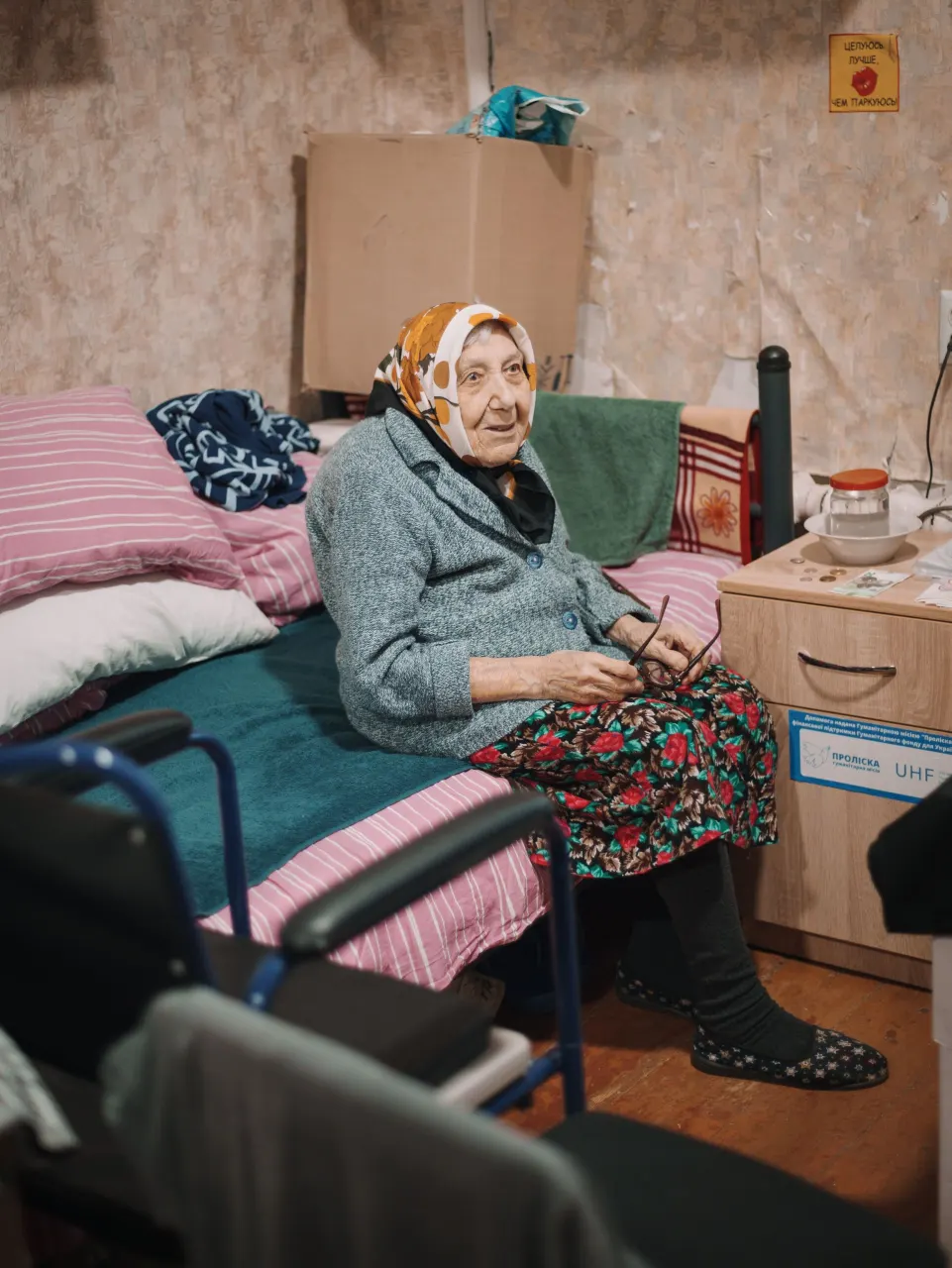
A charity in Dnipro has become a long-term home for 148 people displaced by Russia’s war, many of them elderly, disabled or living with serious mental health conditions. Their experience highlights how displacement can remain unresolved for years, particularly for people who cannot access state compensation for homes they have lost.
The shelter began in 2024 after volunteer Veronika Chumak was asked to find a home for nine women over 90 who had fled Donetsk Oblast; 80% of its current residents have no family. Ukraine had about 3.9 million internally displaced people in June 2026, while 2.15 million were displaced from occupied territories. The eRecovery programme had provided housing certificates to more than 88,000 families by August, but many displaced people are excluded because they lack property documents or their homes are in occupied areas, which the scheme does not cover.
In short
- A Dnipro shelter houses 148 vulnerable displaced people.
- Many residents cannot claim compensation for lost homes.
- Ukraine had about 3.9 million internally displaced people in June 2026.
Explained simply
Russia’s full-scale invasion of Ukraine, which began in 2022, has forced millions of people to leave their homes. Those who move elsewhere within Ukraine are known as internally displaced people; many have had to find somewhere to live for years rather than weeks or months.
Ukraine’s eRecovery programme offers housing certificates to some people whose homes have been damaged or destroyed. Access can depend on having property documents and on where the home is, so people whose records are missing or whose homes are in occupied areas may not qualify. For older people, disabled people and those without family support, finding housing can be especially difficult.