World news and discussion on TalkFuse.
‘We get 200 tourists a day’: when your house becomes a TV star
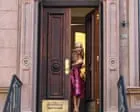
Residents of homes made famous by television programmes describe how fan tourism can disrupt everyday life, with visitors taking photographs, entering properties and sometimes behaving intrusively. The article shows that television’s cultural reach can turn private homes into unofficial attractions, forcing owners to balance public interest with privacy and security.
Examples include an Emmerdale house in Esholt, West Yorkshire, where visitors have peered through windows or opened the front door, and the Breaking Bad house in Albuquerque, where fans have thrown pizzas and attempted to climb a fence. The owner of Carrie Bradshaw’s Sex and the City apartment installed a gate after persistent late-night crowds, while Glenda Kenyon, whose Barry home appeared in Gavin and Stacey, instead began welcoming visitors and created a show-themed attraction; she says it has changed her life.
In short
- TV-famous homes can attract intrusive fan behaviour.
- Some owners add gates and security measures.
- Others turn visitor interest into an opportunity.
Steelman: both sides, in good faith
The strongest fair case each way — we don't pick a winner.
The case for
Residents who simply own distinctive homes should not have their lives disrupted by uninvited tourism they never consented to. Fans arriving in large numbers—200 daily in some cases—represent a genuine violation of privacy and peace of mind, whilst television production companies profit without compensating homeowners. The burden of installing gates, managing crowds, or enduring intrusive behaviour like window-peering and trespassing should not fall on ordinary people merely living in their own homes.
The case against
Distinctive homes appearing in popular television naturally attract public interest, and this is neither surprising nor inherently wrong. Residents like Glenda Kenyon have found that engaging with visitor interest can bring genuine economic and community benefits, whilst firm boundaries and enforcement can address genuinely problematic behaviour such as trespassing. The solution lies not in viewing oneself purely as a victim, but in retaining agency over how one responds to this natural consequence of media visibility.
Explained simply
Television homes can become landmarks when viewers recognise them from popular programmes, even though they are privately owned places where people live. Fans may travel to see the real locations, turning an ordinary street into an informal tourist stop.
The residents and owners have to deal with the attention in different ways. Some visitors take photographs or look inside, while others have crossed boundaries or damaged property; some owners have added barriers, while others have chosen to welcome fans.
The issue matters because a programme’s popularity can bring visitors and business, but also affect residents’ privacy, security and everyday routines.
Americas Art Celebrity Culture Entertainment TV World