Hardwick Hall shifts from aristocratic estate to community-run charity
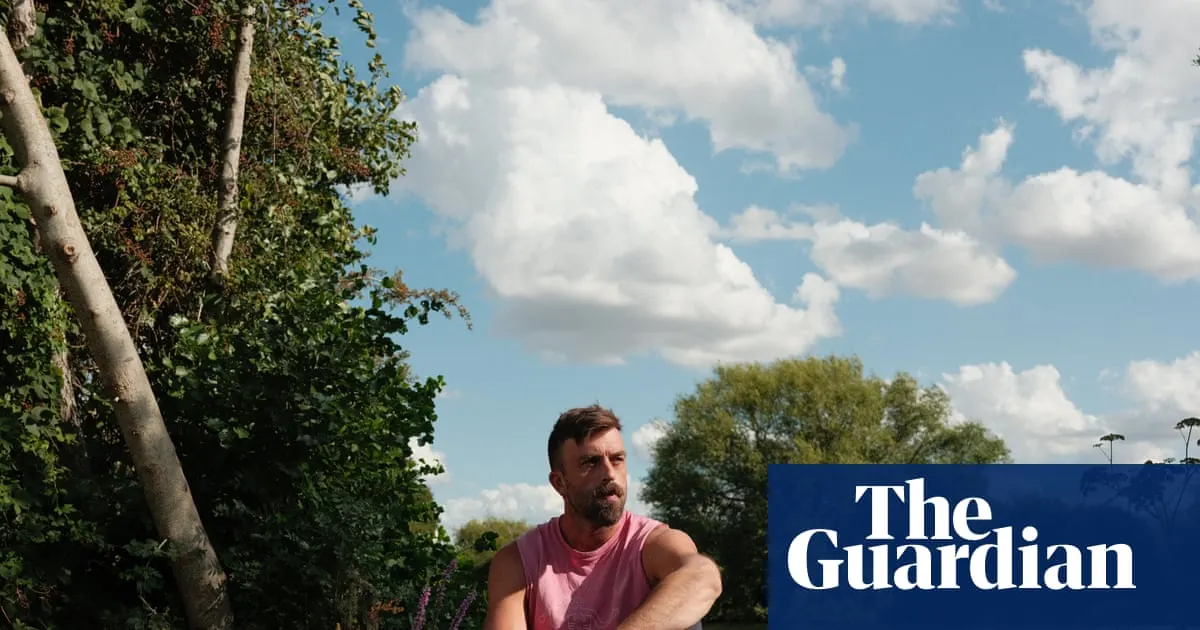
Nick Hayes, co-founder of the Right to Roam campaign and artist, describes the transformation of Hardwick Hall in Oxfordshire—the estate that inspired Kenneth Grahame's Toad Hall in The Wind in the Willows—from private aristocratic ownership into a community-run charity. This peaceful transition represents a significant shift in land stewardship and cultural reconnection, addressing what Hayes argues is a profound English disconnection from natural heritage and community bonds.
In his new book The Medicine Tree, Hayes explores how England has gradually been dispossessed of its land culture over 2,000 years through Christianity replacing animism, enclosure, and industrialisation. Drawing comparisons with Indigenous societies that maintain spiritual and sustainable relationships with their terrain, he argues that England lacks the mythic, spiritual connection to landscape found in many cultures worldwide, and that reconnection is urgent given epidemics of loneliness and the extinction crisis facing wildlife.
- Hardwick Hall is being transformed from private ownership to community-run charity.
- Nick Hayes argues England lost its spiritual connection to land over 2,000 years.
- Indigenous cultures offer models for rebuilding sustainable land relationships.
New here? Start with this
Hardwick Hall is an estate in Oxfordshire with historical significance as the inspiration for Toad Hall in Kenneth Grahame's classic children's novel The Wind in the Willows. The estate has recently undergone a significant change in ownership and management, moving from being a private aristocratic possession to being run as a community-based charity. This shift reflects broader questions about who controls land and how it is managed in England.
Nick Hayes, co-founder of the Right to Roam campaign and an artist, has been documenting how England has experienced a long-term disconnection from its natural landscape. He argues that over two thousand years, various historical processes have gradually eroded England's cultural connection to nature, leaving modern Britons feeling increasingly isolated from the countryside and from one another. Hayes draws comparison with some Indigenous societies, which he says maintain spiritual and sustainable relationships with their territories.
The shift from private to community ownership at Hardwick Hall exemplifies growing conversations about land access and management in England. Advocates for such changes point to concerns including disconnection from nature, rising loneliness, and wildlife extinction as reasons why the relationship between communities and land needs to change. The transformation represents one model for how communities might reconnect with land that has been privately controlled.
Both sides, in good faith
The strongest fair case each way — we don't pick a winner.
The case for
Hayes and community-land advocates argue that transferring estates from private aristocratic ownership to community stewardship addresses generations of English dispossession from natural spaces and cultural heritage. They contend that community-run charities can reconnect people to landscape through active participation, tackling twin crises of loneliness and ecological collapse whilst breaking patterns of concentrated private land ownership that have excluded ordinary people from meaningful access and decision-making about their own heritage.
The case against
Defenders of private stewardship argue that aristocratic estates have historically maintained valuable land and buildings through centuries of continuity, investment, and demonstrated expertise, with clear accountability and stable funding mechanisms. They question whether community-run charities possess adequate resources, management capacity, and long-term financial security to preserve complex properties and extensive land holdings, and suggest that whilst cultural reconnection appeals emotionally, private ownership's clear incentive structures have often proven more effective at environmental stewardship than committee-based governance alone.
Read the full article at the source →
Originally published by The Guardian as “‘We have been dispossessed’: Nick Hayes on land rights and a peaceful revolution at the real Toad Hall”.