Weird & Viral news and discussion on TalkFuse.
We have more details on Apple’s camera-equipped AirPods and they are pretty dang weird
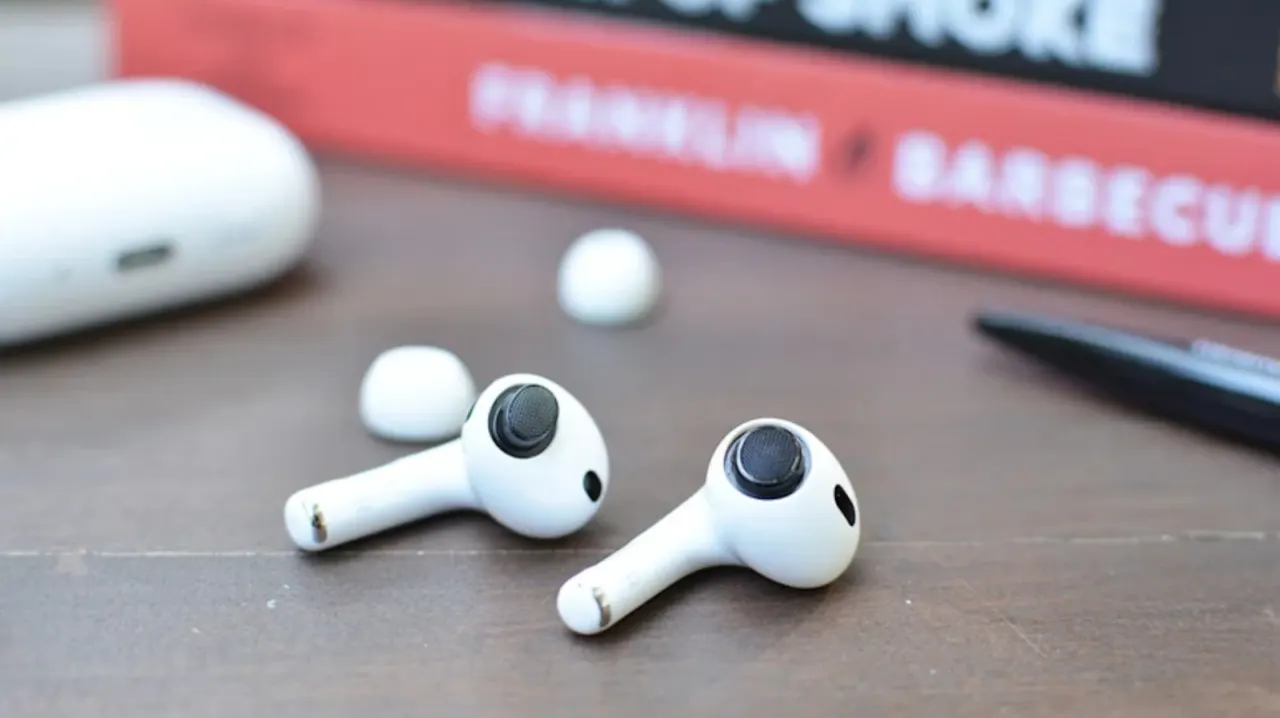
Apple's forthcoming camera-equipped AirPods have been detailed further after code was found buried in an early build of macOS Tahoe 26.7, following an earlier accidental leak of a demo video. Each earbud will reportedly carry its own low-resolution RGB camera, with images synchronised by Apple's Visual Intelligence software rather than used to record conventional photos or video, addressing some privacy concerns about the wearable cameras.
The cameras will capture stills of up to 1 megapixel, with onboard processing (described in code as "peripheral inference") accounting for head movement and rejecting blurred or obscured shots. There will be active and passive capture modes affecting image quality, and each earbud is expected to include a capture indicator light. The only demonstrated use case so far shows Siri "remembering" a book a user looked at, as part of Apple's delayed Visual Intelligence upgrade to Siri. Apple's iPhone 18 event next month could bring further details, though Bloomberg's Mark Gurman has suggested the AirPods won't launch until 2027.
In short
- New leaked code reveals more about Apple's camera-equipped AirPods
- Each earbud has a low-res camera feeding Apple's Visual Intelligence AI
- Cameras can't take normal photos/video; release expected around 2027
Steelman: both sides, in good faith
The strongest fair case each way — we don't pick a winner.
The case for
Apple has implemented meaningful privacy protections—the cameras do not record conventional photos or video, operate at very low resolution, and process data on-device through Visual Intelligence rather than sending it to servers. The demonstrated use case shows genuine utility, helping users interact more intuitively with their environment through accessibility and information features. The technology is optional, users can see when cameras are active, and the limited technical capabilities focus on peripheral inference rather than general-purpose surveillance.
The case against
Even with privacy protections, embedding cameras in everyday wearables like AirPods normalises constant image capture in personal spaces and social environments. Real-time processing by Apple's systems still means images are being captured and analysed, creating opportunities for function creep, data breaches, or misuse. The cultural implications are significant—people wearing camera-equipped earbuds in public raises questions about consent of those around them and shifts social norms around surveillance. Once this technology is normalised, stronger privacy protections could be weakened, and current modest use cases may expand into more invasive applications.
Explained simply
AirPods are Apple’s wireless earphones, which connect to devices such as an iPhone. Apple has also been developing Visual Intelligence, software that uses information from a device’s camera to help Siri respond to questions about what someone is looking at.
Adding cameras to earphones would let them gather visual information while a person moves around, rather than relying on a phone camera. That raises questions about what the cameras capture and how people nearby can tell when they are in use.
The idea matters because it could change how people interact with Siri and other digital assistants, while bringing cameras into a device worn close to the face. Apple has not yet set out the full range of uses or confirmed when the product will be available.