Video games news, releases, esports and culture — all the biggest gaming stories in one place.
We haven’t needed motion blur in games for a long time, so I wish it would stop being the default
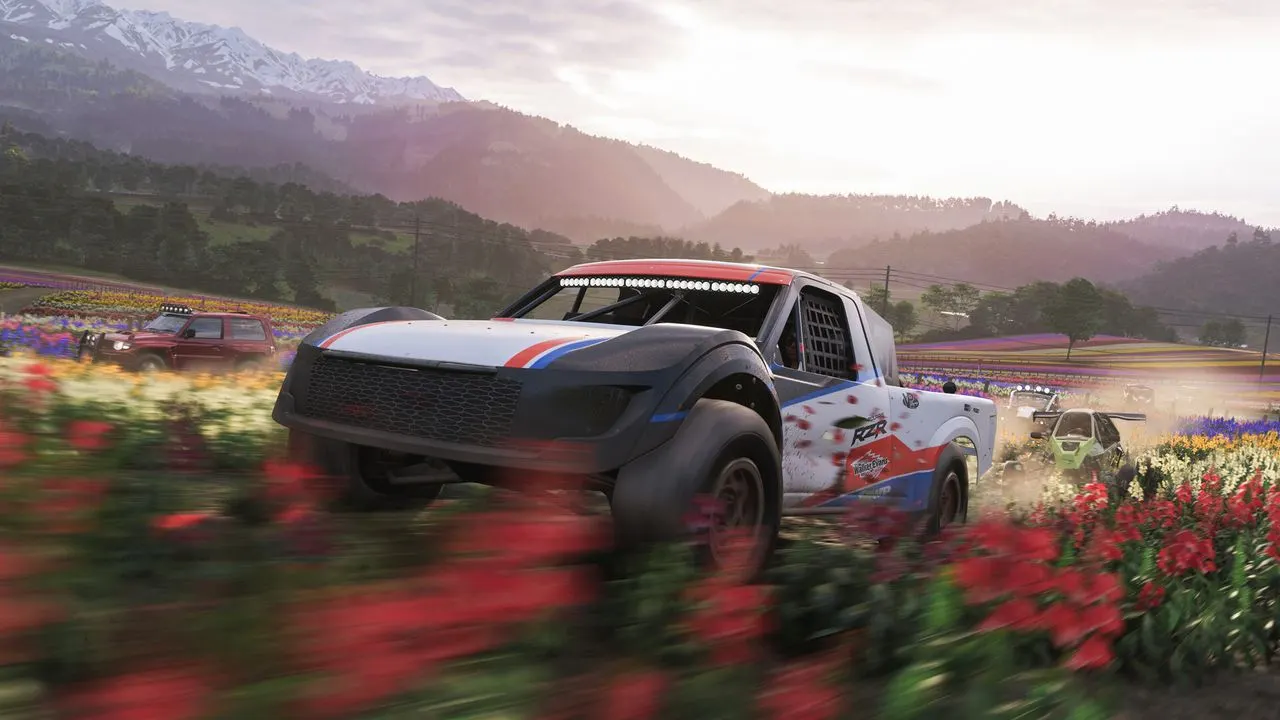
PC Gamer argues that motion blur should no longer be enabled by default in modern games. The opinion is that advances in display technology and frame rates have reduced any need for the effect, while it can make gameplay look less clear and cause discomfort for some players.
The article presents this as a usability and presentation issue rather than an essential visual feature. Its central point is that developers should make motion blur optional and leave it disabled by default, allowing players to choose whether they value the intended cinematic effect.
In short
- Motion blur is criticised as an outdated default setting.
- Modern displays reduce the need for the effect.
- Players should choose whether to enable it.
Steelman: both sides, in good faith
The strongest fair case each way — we don't pick a winner.
The case for
Developers intentionally design games with motion blur as part of their artistic vision for cinematic presentation and visual fluidity. Many players genuinely prefer the effect for immersion and perceive it as enhancing the experience, conveying motion and dynamism as creators intend. Disabling it by default undermines this artistic choice and means many players never experience the game as designed.
The case against
Modern high frame rates and display technology have rendered motion blur technically unnecessary, and it objectively reduces visual clarity whilst causing motion sickness and discomfort in some players. Making effects that potentially harm users the default setting represents poor design; players should opt into such features rather than opt-out, preserving both accessibility and player agency without removing the option for those who prefer it.
Explained simply
Motion blur is a visual effect that makes moving objects or camera views appear streaked or softened, as they can in a photograph taken while something is moving. Game makers use it to create a more film-like look or make movement seem smoother.
Its usefulness can depend on the game, the screen and the player. Some players prefer the softer, cinematic appearance, while others find it makes fast action harder to follow or causes discomfort. Modern displays and games that run at higher frame rates have also changed how movement looks on screen.
The question is whether games should switch the effect on automatically or let players choose. That matters for both accessibility and presentation: a default setting shapes the experience for everyone who starts a game, while an optional setting gives players more control.