World news and discussion on TalkFuse.
We must remember the terrible cost of war — and bolster our defences to prevent another
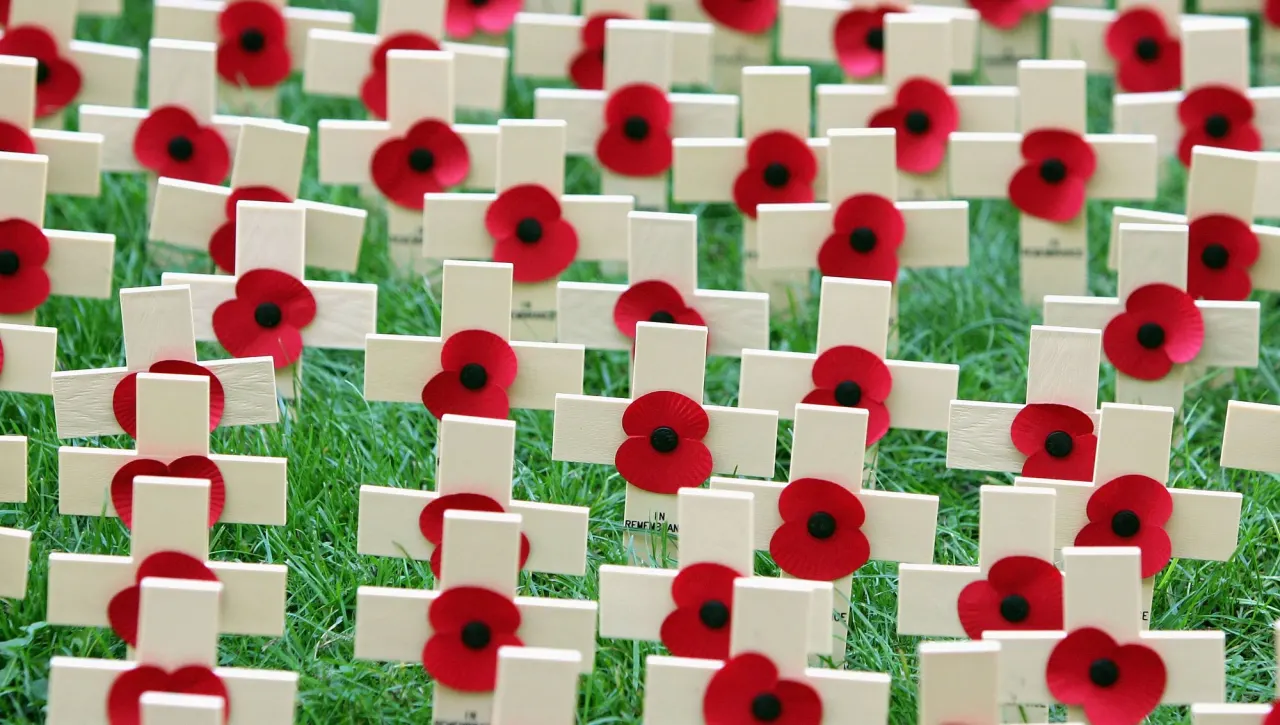
The article argues that Remembrance Sunday should prompt both reflection on war’s human cost and stronger preparations to deter future conflict. It says growing tensions abroad make defence readiness urgent, while arguing that credible strength can help preserve peace.
It recalls the 888,246 poppies displayed at the Tower of London in 2014, each representing a British and Commonwealth service member who died in the First World War. The writer cites polling suggesting fewer than half of under-30s would fight for their country, but says today’s soldiers remain as capable as earlier generations when properly trained and led. The article calls for a rapid increase in defence spending and says national security should come before social security.
In short
- Remembrance should highlight war’s human cost.
- The article urges a rapid rise in defence spending.
- It argues preparedness can deter aggression and protect peace.
Steelman: both sides, in good faith
The strongest fair case each way — we don't pick a winner.
The case for
Supporters argue that remembrance should honour the dead by reducing the risk of future wars, and that credible military strength can deter aggression when international tensions are rising. They see increased defence spending, training and readiness as necessary to protect the country and its allies, and believe national security must be funded accordingly.
The case against
Critics can share the aim of preventing conflict while questioning whether rapid increases in military spending will make the country safer or reduce tensions. They may argue that diplomacy, alliances and addressing the causes of conflict are also essential, and that prioritising defence over social security risks weakening the society and public services that national resilience depends on.