‘We now live without this violence’: the Colombian farmers giving up coca for palm oil
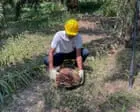
In San Pablo, northern Colombia, hundreds of smallholder farmers who once grew coca leaf have switched to cultivating oil palm, escaping the violence and fear that came with working in the illicit drug trade. The shift, supported by decades-old Colombian government policy offering subsidies, technical support and tax breaks, has transformed the local economy and is now being maintained by newly elected president Abelardo de la Espriella, who favours cacao and oil palm as alternative crops despite taking a harder line on armed groups than his predecessor.
Farmer Yoger Payares, who grew coca for over a decade after 1990, now runs an 11-hectare oil palm farm and credits the crop with funding his children's university education, a house and a truck, while allowing him to "live safely". San Pablo is thought to have around 275 smallholder oil palm growers among a population of nearly 30,000, with almost 90% of the area's growers now independent smallholders, according to the Roundtable on Sustainable Palm Oil. Colombia remains Latin America's largest oil palm producer, with 609,142 hectares planted in 2024, a 2.2% rise on the previous year, according to the National Federation of Oil Palm Growers.
- Colombian coca farmers are switching to oil palm to escape armed-group violence
- Government subsidies and tax breaks since 1995 support crop substitution
- Colombia's oil palm area grew 2.2% in 2024 to over 609,000 hectares
New here? Start with this
Colombia has spent decades fighting an illegal drug trade built around coca, the plant used to make cocaine. In some rural areas, farmers grew coca because it paid better than legal crops, even though it exposed them to violence from armed groups who controlled the trade. Government programmes have long tried to persuade these farmers to switch to legal alternatives instead, offering financial and technical support to make the change worthwhile.
Oil palm, grown for its oil used in food and other products, has become one of the main crops farmers are turning to instead of coca. Colombia is already the largest producer of oil palm in Latin America, and the crop has taken hold in areas like San Pablo in the country's north, where many smallholder farmers now grow it independently rather than working for larger operations.
The issue remains politically significant because Colombia's drug trade and the violence linked to it continue to shape rural life and national policy. The country's newly elected president, Abelardo de la Espriella, has said he wants to keep supporting crops such as oil palm and cacao as alternatives to coca, even as he takes a tougher approach than his predecessor towards the armed groups still active in these regions.
Both sides, in good faith
The strongest fair case each way — we don't pick a winner.
The case for
Advocates of Colombia's crop-substitution approach argue that offering coca-growing farmers a genuinely viable legal alternative, backed by subsidies, technical support and tax breaks, tackles the roots of the drug trade far more effectively than eradication or enforcement alone. They point to farmers like Yoger Payares as proof that stable oil palm incomes can fund education, housing and everyday security, freeing rural communities from the violence, extortion and fear that armed groups impose on coca economies. For them, sustained state investment in smallholders, rather than a purely punitive approach, is the surer path to lasting peace and rural development.
The case against
Sceptics of relying so heavily on oil palm expansion, even as a peaceful alternative to coca, raise genuine concerns about its environmental footprint, including deforestation, biodiversity loss and heavy water use associated with monoculture plantations at scale. They also question whether subsidy-dependent substitution schemes are fiscally sustainable or merely displace coca cultivation to other regions rather than reducing it nationally, and worry that as the sector grows, smallholders could eventually be squeezed out by larger commercial producers. From this perspective, durable rural security requires more diversified, carefully regulated development strategies rather than concentrated bets on a single cash crop.