Politics news and discussion on TalkFuse.
‘We refuse to be canon fodder for their shoddy politics’: How Sinn Féin invoked the wrath of the trans community with its controversial new policy document, revealed by the Mail
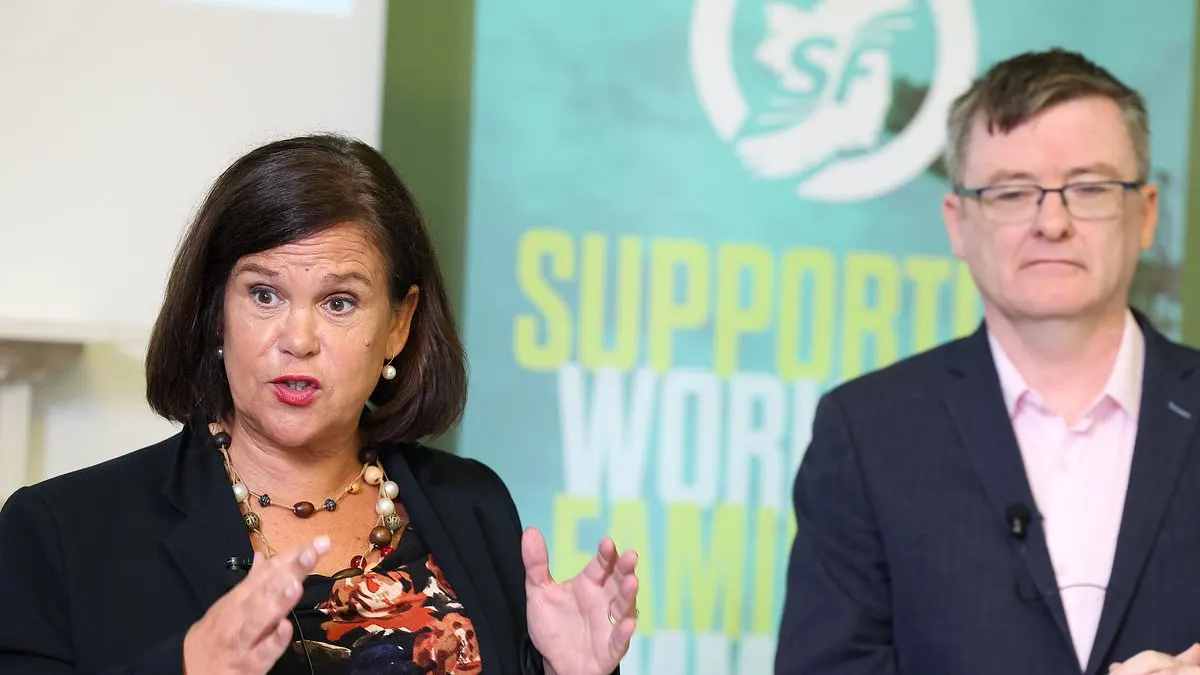
Organisers of Dublin Trans Pride have said Sinn Féin is not welcome at the parade, accusing the party of using trans people for political gain. Their response follows reports of an unpublished party policy and speaking notes that advise representatives to distinguish between women and trans women, a shift that has angered some LGBTQ+ campaigners.
The reported document says the party’s starting point is “maximum inclusion” but also sets limits on access to some spaces. It reverses Sinn Féin’s previous support for self-identification for 16- and 17-year-olds, who under Ireland’s Gender Recognition Act 2015 need parental consent to obtain legal recognition. Organisers also cite the party’s position on puberty blockers in Northern Ireland; the party has faced scrutiny after health spokesman David Cullinane apologised for comments about a UK Supreme Court ruling on the definition of “woman”.
In short
- Dublin Trans Pride says Sinn Féin remains barred from its parade.
- Reported party notes distinguish women from trans women.
- The document reverses support for self-identification for 16- and 17-year-olds.
Steelman: both sides, in good faith
The strongest fair case each way — we don't pick a winner.
The case for
Supporters of Sinn Féin’s reported policy could argue that public bodies and parties must balance inclusion with clear rules for sex-separated spaces and decisions affecting minors. They may see age limits, parental involvement and careful language as reasonable safeguards in a contested area, while maintaining that trans people should be treated with dignity and included wherever possible.
The case against
Critics could argue that drawing a sharper distinction between women and trans women, and reversing support for self-identification among 16- and 17-year-olds, risks excluding trans people and undermining their recognition. They may view the changes as a retreat from inclusion that could cause harm, and object to campaigners’ concern that the party is treating trans rights as a political calculation rather than a commitment.
Explained simply
Sinn Féin is a political party active in both the Republic of Ireland and Northern Ireland. The debate concerns how its policies should balance the rights of transgender people with rules for access to some spaces, and how representatives describe women and trans women.
Ireland’s Gender Recognition Act 2015 sets out how people can have their gender legally recognised; 16- and 17-year-olds need parental consent. Puberty blockers are medicines that pause aspects of puberty, and their use has also become a subject of political debate in Northern Ireland.
Dublin Trans Pride is an annual event organised by members of the trans community and its supporters. The dispute matters because political parties’ positions can affect laws and public services, while also influencing whether LGBTQ+ groups see them as allies.