World news and discussion on TalkFuse.
“We should have shown Sid dying in a pool of vomit.” The story behind Sid & Nancy, the controversial punk rock biopic which annoyed almost everyone
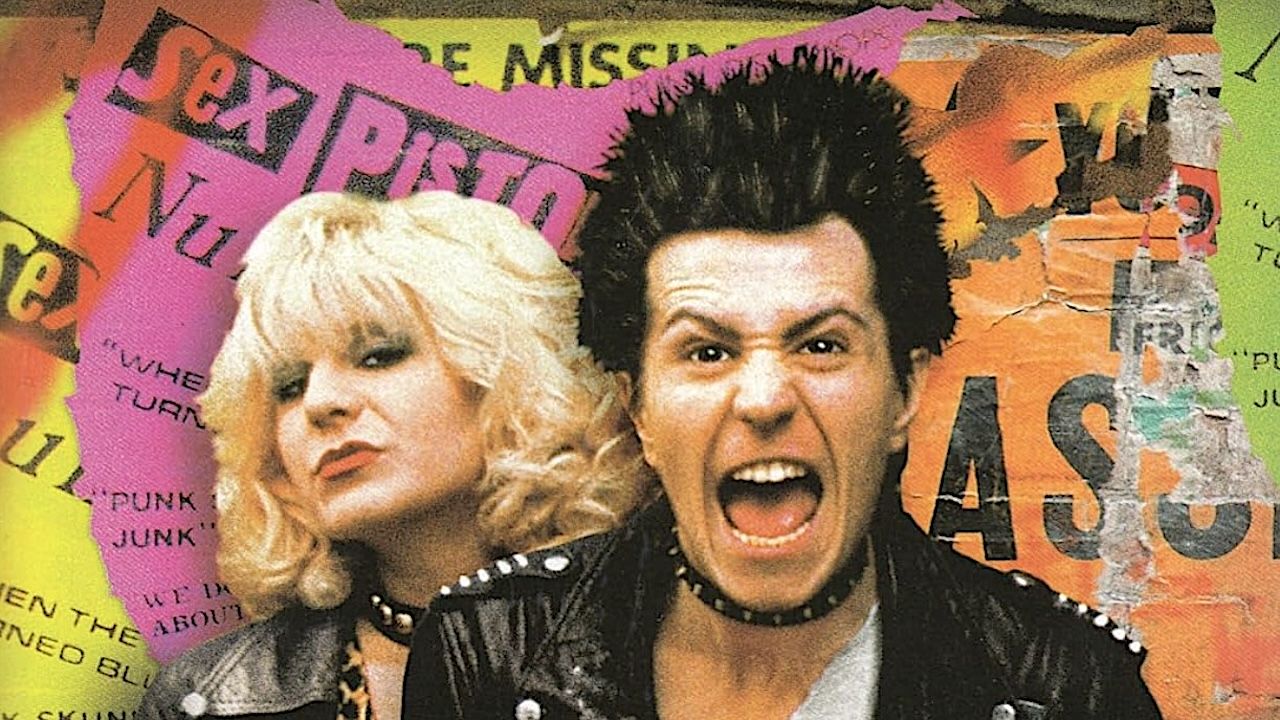
Sid & Nancy, Alex Cox's 1986 biopic of Sex Pistols bassist Sid Vicious and his girlfriend Nancy Spungen, remains a divisive film decades on, having provoked criticism from punk figures and Vicious's own mother for its portrayal of the couple's doomed relationship. The film dramatised the pair's descent into heroin addiction and violence, culminating in Spungen's death at New York's Hotel Chelsea in October 1978 and Vicious's own fatal overdose months later, and it has long been accused of romanticising a relationship that was, in reality, marked by abuse and self-destruction.
Spungen, a Philadelphia-born groupie dubbed "Nauseating Nancy" by the British press, arrived in London in December 1976 with the band The Heartbreakers before attaching herself to Vicious after being turned down by Johnny Rotten. The couple's relationship was volatile and fuelled by shared heroin addiction, and after the Sex Pistols split during their disastrous 1978 US tour, the pair moved to New York's Hotel Chelsea, where Spungen was later found stabbed to death in their room. The article revisits how the film's makers approached this bleak true story, including criticism that they softened Vicious's own squalid death rather than depicting it more starkly.
In short
- Sid & Nancy (1986) dramatised Sex Pistols bassist Sid Vicious's relationship with Nancy Spungen.
- The biopic sparked lasting criticism for how it portrayed their violent, addiction-fuelled relationship.
- Spungen died at the Hotel Chelsea in 1978; Vicious died of an overdose soon after.
Steelman: both sides, in good faith
The strongest fair case each way — we don't pick a winner.
The case for
Those arguing for unflinching depiction contend that softening the brutal reality of drug addiction and death risks romanticising self-destruction and minimising genuine suffering. They argue that showing the full horror of Vicious's final moments serves an important artistic and moral function: it confronts viewers with the actual consequences of addiction rather than allowing them to aestheticise tragedy. This position values brutal honesty and believes audiences deserve to see the reality rather than a carefully curated version.
The case against
Those favouring artistic restraint argue that cinema need not be graphically explicit to convey truth and moral weight. They contend that filmmakers make legitimate artistic choices about what to depict and what to suggest, and that extreme graphic content is not necessary to honestly explore the tragedy and consequences of the couple's lives. They further suggest that depicting real people at their most degraded moments raises ethical questions about dignity, and that respectful treatment of the deceased and their families can coexist with honest storytelling about addiction's horrors.
Explained simply
Sid Vicious was the bassist for the Sex Pistols, a punk band of the 1970s. Nancy Spungen was an American groupie who became his girlfriend, and the two became closely associated with the punk scene.
Nancy Spungen was found stabbed to death in their room at New York's Hotel Chelsea in October 1978, and Sid Vicious died from a drug overdose several months later. The couple's relationship was marked by heroin addiction and violence during their time together.
Alex Cox's 1986 film Sid & Nancy dramatised their story but has remained controversial, with critics arguing it romanticised what was actually a destructive relationship. The film attracted lasting criticism from punk figures and Vicious's own mother, who believed it softened rather than starkly depicted the reality of what occurred.
Americas Entertainment Film World