We Still Need More Ships
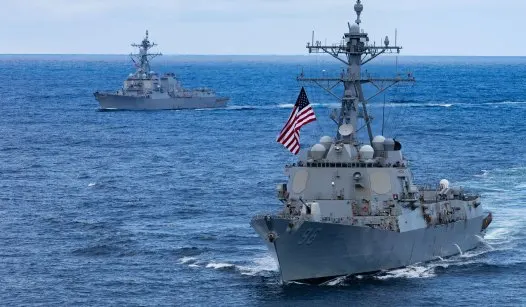
The article argues that the US government is making its most serious effort since the Reagan era to rebuild naval and commercial shipbuilding capacity. It says this matters because the Navy’s current fleet and the wider maritime industrial base are considered inadequate for protecting US interests, sustaining global operations and competing with China’s far larger shipbuilding sector.
The author says Congress funded 82 new vessels last year, including 35 for the Navy and 47 for the Coast Guard, while the administration has requested $65 billion for shipbuilding this year. The Navy currently has 293 ships, compared with a post-Cold War assessment of roughly 451 needed, and the US now has five major shipyards, down from nine during the Cold War. The article also notes that US yards produce about 0.2% of global commercial seagoing vessels, arguing that expanded yards, supply chains and skilled labour will take time to develop.
In short
- US maritime rebuilding is presented as a major strategic priority.
- Shipbuilding funding has risen sharply, but capacity remains limited.
- The author highlights China’s substantial industrial advantage.
Steelman: both sides, in good faith
The strongest fair case each way — we don't pick a winner.
The case for
Advocates for expanded shipbuilding argue that US naval dominance is essential for global stability and protecting American interests, particularly as China's fleet grows substantially. With only 293 ships against an assessed need of 451, and China now producing far more vessels annually, the US faces a genuine capability gap that could undermine deterrence in critical regions. A robust maritime industrial base requires sustained investment because workforce skills and supply chains deteriorate quickly once lost—as evidenced by the decline from nine to five major shipyards. Since ships take years to build, action taken today will only affect capabilities years hence, making urgent investment necessary to avoid future unpreparedness.
The case against
Critics contend that $65 billion annually warrants rigorous scrutiny about whether the stated need reflects genuine strategic requirements or reflects institutional assumptions about force structure. They argue that ship numbers matter less than the readiness and capability of existing vessels, and that force requirements should derive from realistic threat assessments rather than historical comparisons. There are also legitimate questions about whether government-directed shipbuilding achieves better value than market-driven investment, and whether subsidising domestic capacity actually solves the underlying problem of needing functional fleets. The substantial opportunity cost deserves consideration—whether those resources might be better deployed elsewhere in defence, infrastructure, or deficit reduction.
Explained simply
The United States is making its most ambitious effort since the 1980s to rebuild its shipbuilding industry after decades of decline. This includes both naval warships and commercial vessels, reflecting growing concerns that America's maritime capacity has fallen seriously short of what the country requires.
The US Navy operates roughly 293 ships but military planners estimate it needs around 451 to adequately protect American interests and conduct global operations. China has meanwhile greatly expanded its shipbuilding capacity and now vastly outproduces America, which policymakers view as a strategic disadvantage.
America's shipbuilding sector has contracted sharply, leaving the country with just five major shipyards compared with nine in the Cold War era. Rebuilding this capacity will take years, as the nation must expand production facilities, develop supplier networks and train a skilled workforce to meet ambitious targets.
Americas Government Politics World