Culture news and discussion on TalkFuse.
“We used to travel in Clark Gable’s Cadillac, refurbished by Rolls Royce. We had a TV in there, and two bars, just for the band”: Secrets of Rick Wakeman’s excess
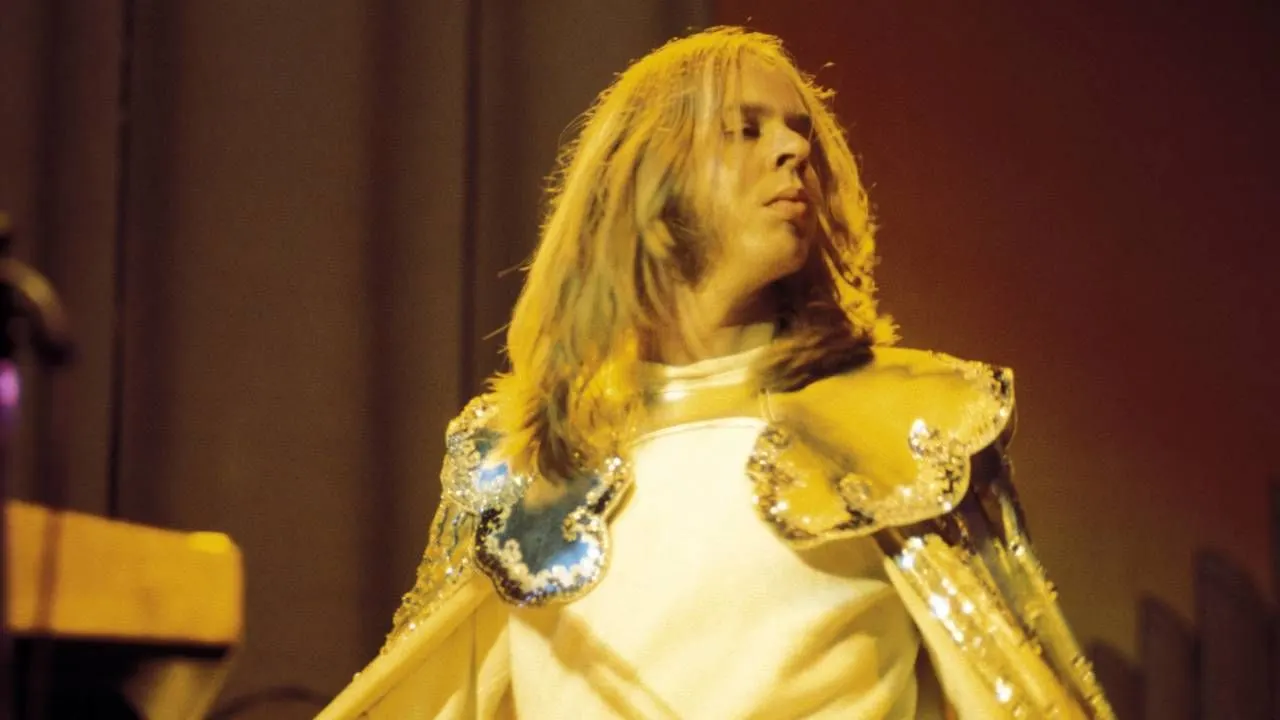
Rick Wakeman, the former Yes keyboardist, has been reflecting on the extravagant live shows he staged in the 1970s to accompany his ambitious concept albums, admitting the spectacle often put his finances, health and reputation on the line. Looking back after a decade of such excess, Wakeman remained unrepentant, insisting his elaborate productions were driven by a genuine desire to give audiences their money's worth rather than any deeper psychological need for grandeur.
Among the extravagances recalled is the band's use of Clark Gable's former Cadillac, which had been refurbished by Rolls-Royce and fitted with a television and two separate bars exclusively for the group's use while touring. Wakeman traced his love of theatrical, story-driven music back to childhood, when his father introduced him to Prokofiev's Peter and the Wolf, and said he grew disillusioned with ordinary concerts, prompting him to pursue increasingly ambitious, large-scale live shows built around his concept albums.
In short
- Rick Wakeman recalls his lavish, risky 1970s live shows and tours.
- Band travelled in Clark Gable's Rolls-Royce-refurbished Cadillac with two bars.
- Wakeman says he has no regrets over the extravagance and expense.
Explained simply
Rick Wakeman is a keyboardist who was a member of the rock band Yes. In the 1970s, he created a series of concept albums – records that told stories through music – and staged increasingly elaborate theatrical productions to perform them live.
To bring these concept albums to life, Wakeman and his band went to extraordinary lengths with their tours. They travelled in a specially refurbished Cadillac that had once belonged to the film actor Clark Gable, equipped with amenities such as a television and bars for the band's exclusive use. These productions represented a level of spectacle rarely seen in live music at the time.
Wakeman has been reflecting on this period of his life, acknowledging that the extravagant productions took a toll on his finances, health and reputation. He maintains, however, that his motivation was sincere – to create memorable experiences for audiences rather than simply indulging a personal need for grandeur.
Art Culture Entertainment Music Travel TV