Culture news and discussion on TalkFuse.
“We were only a small spark on the Sunset Strip at first, but we became a wildfire.” How an unlikely rock star led the psychedelic revolution that swept 60s California
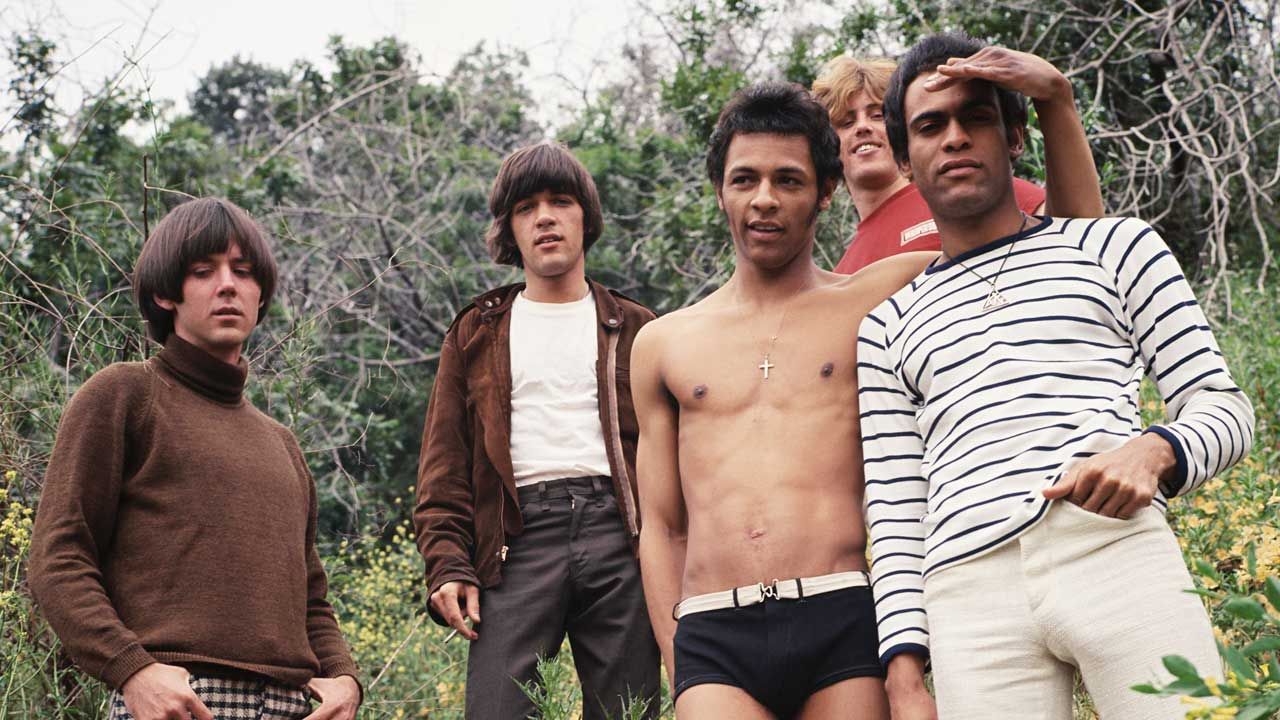
The article profiles Arthur Lee, the frontman of Los Angeles band Love, examining how he and his group helped spearhead the psychedelic music scene that emerged on Hollywood's Sunset Strip in the mid-1960s. It positions Lee as a striking, flamboyant figure whose charisma and creative drive made him central to a cultural shift in Californian rock, even as more commercially successful acts of the era overshadowed his band in terms of chart success.
Set in the summer of 1966, the piece describes a 21-year-old Lee as the self-styled "King Of The Sunset Strip", known for his eccentric style and confidence. It contrasts Love's cultural influence with the greater commercial achievements of contemporaries such as The Byrds, who already had hit singles and a European tour, and the Beach Boys' Brian Wilson, who was reaching new creative heights despite personal struggles, arguing that neither matched Lee's distinctive stage presence and personality.
In short
- Arthur Lee and his band Love helped launch 60s psychedelic rock
- Lee was dubbed the flamboyant "King Of The Sunset Strip" in 1966
- The Byrds and Beach Boys were more commercially successful at the time
Steelman: both sides, in good faith
The strongest fair case each way — we don't pick a winner.
The case for
Arthur Lee and Love were genuine artistic innovators whose distinctive vision was foundational to the Sunset Strip psychedelic scene, with their influence measurable in the musicians they inspired and the sonic directions they pioneered. The psychedelic movement was fundamentally about creative rebellion and artistic experimentation; by this measure, Lee's pioneering contributions warrant historical significance regardless of commercial chart performance.
The case against
The Byrds and Beach Boys achieved vastly greater mainstream cultural reach and demonstrably shaped the wider 1960s landscape more than Love. Measuring historical significance by societal impact and influence on broader culture, rather than by local scene prominence, suggests these commercially successful acts deserve primary credit for defining the decade.
Explained simply
In the mid-1960s, the Sunset Strip in Los Angeles became a centre for young bands and a growing psychedelic rock scene, which experimented with unusual sounds and imagery. Love was one of the groups emerging from this scene, led by singer and songwriter Arthur Lee.
Other Californian acts, including the Byrds and the Beach Boys, achieved greater commercial success. Love’s influence came more from its music and presence in the local scene, making the band part of a wider change in rock music and youth culture.
Art Celebrity Culture Entertainment