World news and discussion on TalkFuse.
‘Welcome II The Terrordome’ Returns To Cinemas With New Restoration, Ngozi Onwurah Discusses How The Film Was Almost Lost & Plans For Her Next Project
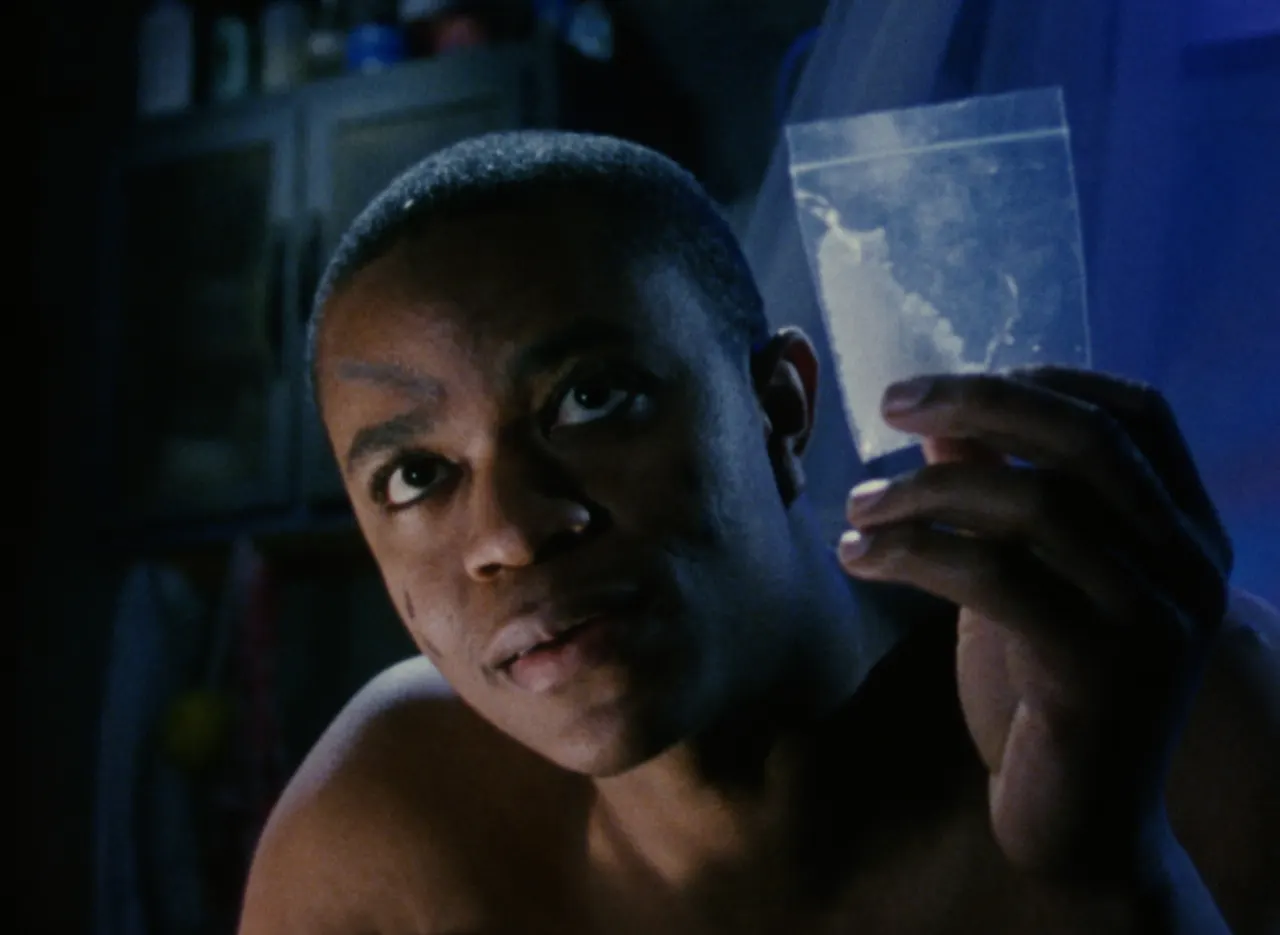
Janus Films is releasing a new 2K restoration of Welcome II the Terrordome in US cinemas this week, marking a dramatic reappraisal of British director Ngozi Onwurah's groundbreaking 1995 debut feature. The film, savaged by critics on its original release for its raw exploration of racism and state violence, has in recent years been reassessed as a seminal work of Afrofuturist cinema, with institutions programming it in retrospectives.
Onwurah shot the low-budget film, largely funded through fundraising, and until Amma Asante's 2004 debut it remained the only feature by a Black British woman distributed theatrically in the UK. The story opens with a version of the Igbo Landing legend before jumping forward to a dystopian, segregated future Britain where an uprising erupts after a young man's murder. Empire magazine has since retracted its original negative review, and critic Ellen Jones has called the shift a "total critical makeover". The restoration was made from an old theatrical print after the original negative, last known to be held by Technicolor, was lost when that company collapsed.
In short
- New 2K restoration of Onwurah's 1995 film hits US cinemas this week.
- Once panned by critics, now hailed as an Afrofuturist landmark.
- Original film negative lost after Technicolor's collapse; restored from old print.
Explained simply
Ngozi Onwurah's Welcome II the Terrordome is a British science fiction film from 1995, the directorial debut of a filmmaker with limited resources but strong public support. Shot through crowdfunded efforts, it was the first feature film by a Black British woman to receive theatrical distribution in the UK. The story depicts a segregated future Britain where society erupts in rebellion after a young man's death.
The film was poorly received by critics on its original release, who were largely dismissive of its exploration of racism and state violence. In recent years, critical opinion has shifted significantly. The work is now celebrated as an important example of Afrofuturist cinema—science fiction exploring African and African diaspora futures—and is regularly featured in retrospectives of Black British film.
The film's existence was precarious. The original film negative was held by Technicolor but disappeared when that company collapsed, potentially erasing the work entirely. The new restoration was created from a surviving theatrical print rather than original materials, demonstrating how fragile cultural works can be without active preservation efforts.
Americas Entertainment Film UK World