Science news and discussion on TalkFuse.
Welcome to ‘Nazir House’: The countryside idyll set in 14 acres of ancient woodland destroyed by pizza takeaway boss to create a ‘fortress’ compound for his Halal meat farm
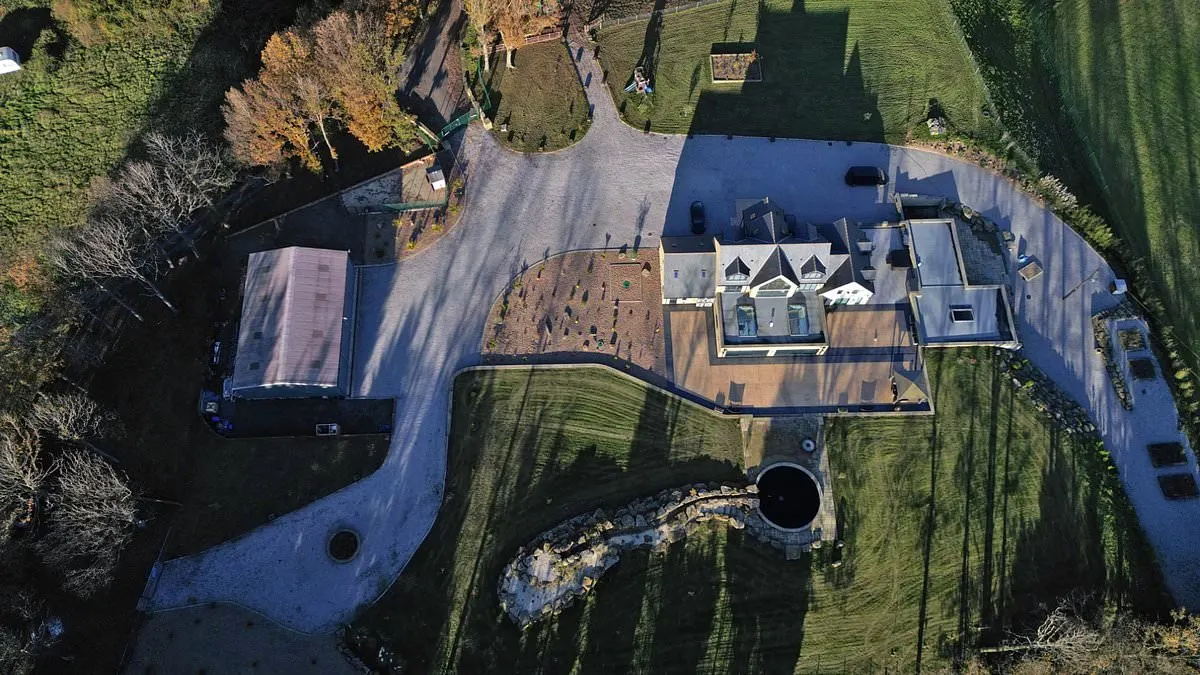
Saeed Nazir, who bought the 14-acre Harrison Springs estate near Sheffield for £710,000 in 2019, transformed its woodland setting into a fortified compound for a halal livestock farm. A planning inspector has upheld Sheffield City Council’s enforcement action, finding that the works damaged the landscape and showed “near total disregard” for the environment.
The changes included extensive tree loss, new outbuildings, security fencing, driveways and a raised garden. Nazir must demolish an agricultural barn and annexe, remove fencing and driveways, reshape the garden and plant 1,374 replacement trees, maintaining them for ten years. He was also fined £65,000 last year after admitting illegally felling protected trees; a family member said he was upset by the ruling and believed the site had been improved.
In short
- A planning inspector upheld orders to reverse major changes at Harrison Springs.
- Nazir must restore the land and plant 1,374 replacement trees.
- He was previously fined £65,000 for illegally felling protected trees.
Steelman: both sides, in good faith
The strongest fair case each way — we don't pick a winner.
The case for
The enforcement action can be defended as necessary to protect ancient woodland and the wider landscape, especially where protected trees were felled and extensive development took place without the required permissions. Requiring structures to be removed and trees replanted applies planning rules consistently and seeks to repair harm for which the inspector found little regard had been shown.
The case against
A fair case against the ruling is that an owner who believed the changes improved the site may see demolition and extensive restoration requirements as disproportionate, particularly if some works serve a genuine agricultural purpose. Planning enforcement should distinguish between necessary farm infrastructure and avoidable environmental damage, and should weigh whether changes can be adapted to protect the landscape without requiring wholesale removal.
Explained simply
Harrison Springs is a rural estate near Sheffield, set in woodland that includes trees protected by planning rules. Saeed Nazir bought the 14-acre site in 2019 and developed it for a halal livestock farm, adding buildings, fencing, driveways and a raised garden.
Sheffield City Council took enforcement action over the changes, including the loss of trees and damage to the landscape. A planning inspector has upheld the council’s decision, requiring parts of the development to be removed and 1,374 trees to be planted and maintained for ten years.
The case concerns how planning rules apply when land is changed for farming, and how authorities can respond to harm to protected trees and the countryside. Nazir has also been fined for illegally felling protected trees; a family member said he was upset by the ruling and believed the site had been improved.