‘Well-known’ celebrity sues to silence claims of sex crime, High Court hears
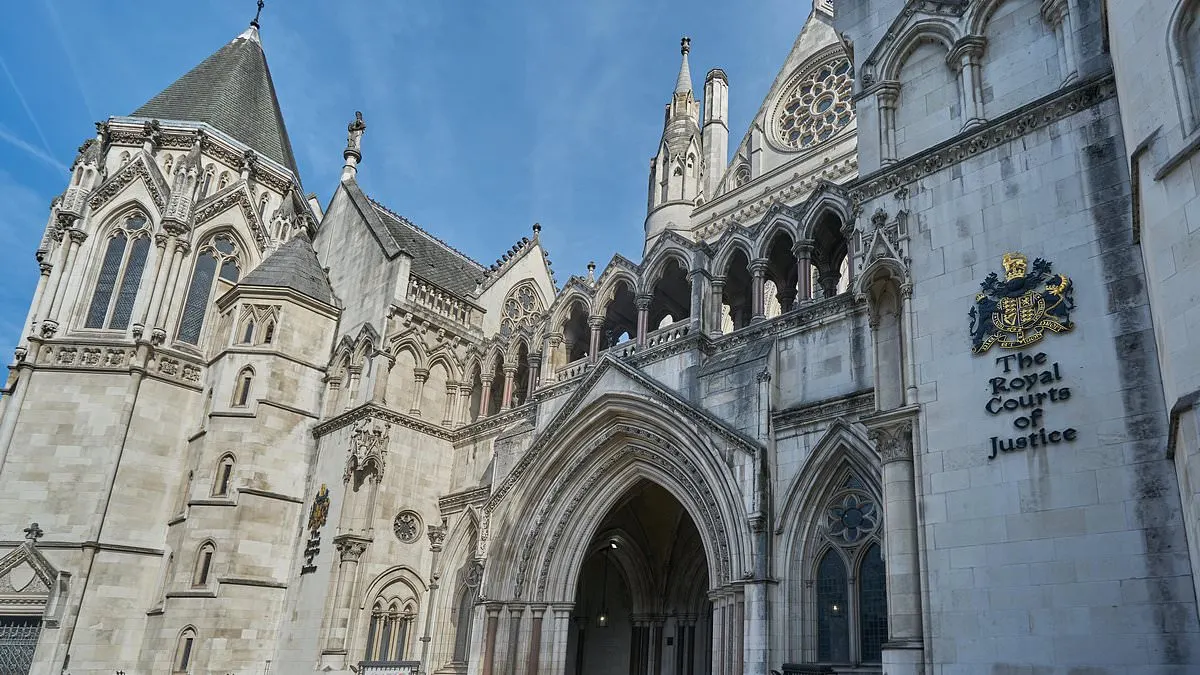
A well-known man who cannot be named is seeking a High Court injunction to stop ITN and The Guardian publishing allegations about his conduct, including an alleged sexual offence. His legal team says publication could lead him to attempt suicide, while the case raises questions about privacy, freedom of expression and how courts handle serious allegations.
At a hearing, his barrister Sara Mansoori KC said he has very serious mental health problems. Mr Justice Nicklin said proceedings should be as open as possible and that the case would be controversial whichever way it was decided. An injunction can temporarily prevent publication; judges weigh potential harm against the media’s right to report.
- An unnamed celebrity is seeking to block publication of allegations.
- ITN and The Guardian have investigated his conduct.
- The High Court will weigh privacy and potential harm against press freedom.
New here? Start with this
An injunction is a court order that can temporarily stop information being published. In cases like this, judges weigh a person’s privacy and the risk of harm against the media’s freedom to report matters of public interest.
ITN and The Guardian are news organisations, and the unnamed man is a public figure. The case concerns allegations about his conduct, including an alleged sexual offence; the allegations are claims, not findings of guilt.
The case matters because it tests how courts balance privacy, freedom of expression and the public interest when serious allegations are involved. It also raises questions about how much of a court case should be heard or reported openly.
Both sides, in good faith
The strongest fair case each way — we don't pick a winner.
The case for
A temporary injunction could be justified if publication before the court has properly assessed the evidence creates a serious, foreseeable risk to the claimant’s life or mental health. Protecting privacy and preventing irreversible harm may warrant a short delay, while the court considers the competing rights and the public interest in reporting the allegations.
The case against
Blocking publication could prevent the public from hearing about allegations of serious misconduct and limit scrutiny of a person whose prominence may make the claims newsworthy. Open justice and freedom of expression matter especially where allegations concern possible criminal conduct; a risk of harm should be weighed carefully against those interests, rather than automatically silencing reporting.