World news and discussion on TalkFuse.
‘Well-known individual’ fails in bid for injunction against Guardian and ITN
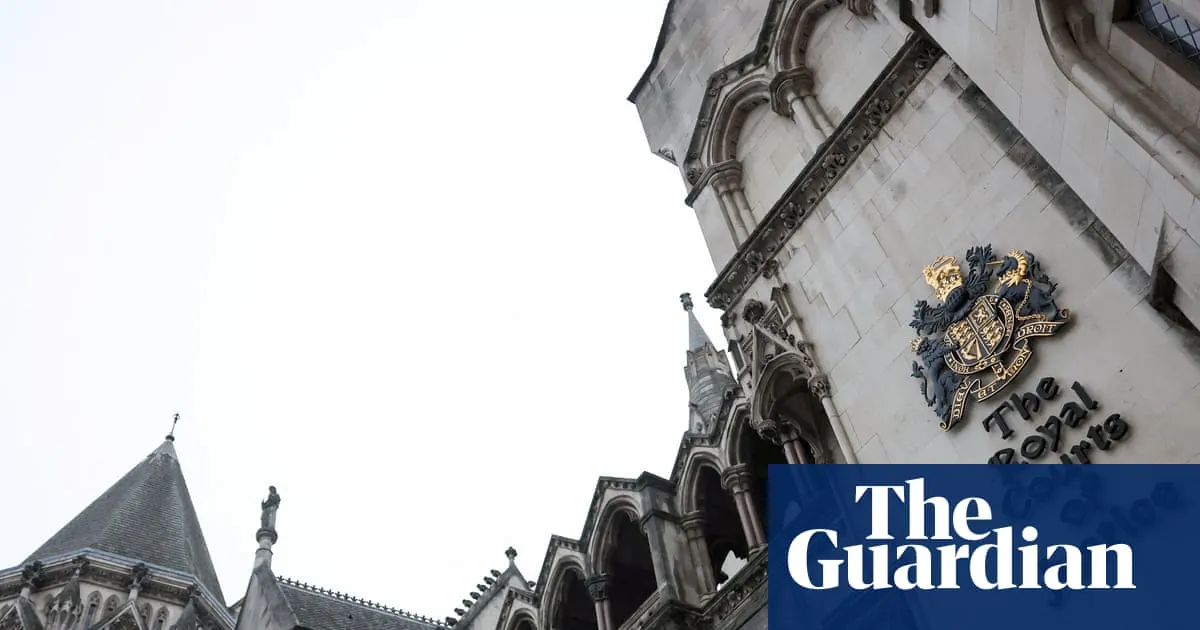
A High Court judge has rejected an anonymous public figure’s bid to stop the Guardian and ITN publishing allegations of inappropriate sexual activity towards young women, which he denies. The ruling says the decision clears the way for publication, while recognising that the prospect of publication would substantially increase the man’s suicide risk.
The claimant, known in court as PPT, had reportedly attempted suicide twice after being contacted about the allegations, and is detained under the Mental Health Act. Mr Justice Nicklin said health services, rather than an injunction, should manage the risk; he also weighed the claimant’s privacy and family life against the media organisations’ freedom of expression and the public interest in reporting alleged serious wrongdoing. The allegations have not been tested in this case, and the claimant’s identity remains protected while he has permission to appeal.
In short
- The judge rejected the bid to block publication.
- The claimant’s identity remains protected pending a possible appeal.
- The ruling did not determine whether the allegations are true.
Steelman: both sides, in good faith
The strongest fair case each way — we don't pick a winner.
The case for
The outlets can argue that reporting serious allegations about a public figure serves the public interest and that preventing publication would restrict freedom of expression before the claims have been tested. They may also say that health services, rather than a court-imposed injunction, are best placed to manage the claimant’s acute risk while his identity remains protected during the appeal period.
The case against
The claimant can argue that publication would intrude on his privacy and family life while exposing him to a substantial, recognised risk of suicide, particularly given his reported attempts and detention under mental health law. He may contend that, before the allegations have been tested, temporary restraint is a proportionate way to protect life and wellbeing while the court considers the competing rights.
Explained simply
The case concerns a public figure who is anonymous in court and is referred to as PPT. The Guardian and ITN are seeking to report allegations of inappropriate sexual activity towards young women, which PPT denies.
The High Court considered whether publication should be stopped to protect PPT’s privacy and family life, alongside the media’s right to report and the public interest in serious allegations. The allegations have not been tested in this case, and PPT’s identity remains protected while an appeal is possible.
The case also raises how courts weigh a person’s health and safety against freedom of expression. The judge said health services should manage the risk to PPT rather than an injunction preventing publication.