Science news and discussion on TalkFuse.
Welp, Nobody Saw SpaceX’s Falcon 9 Rocket Crash Into the Moon
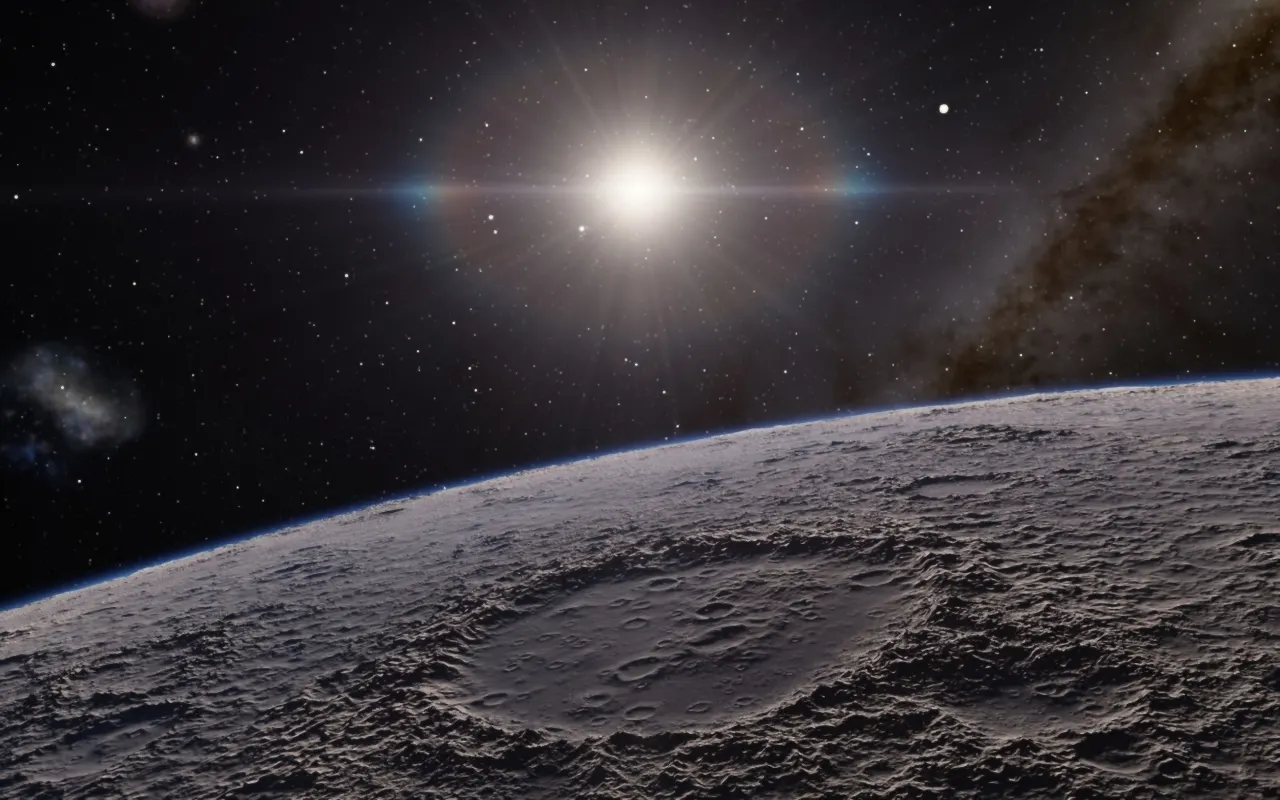
A SpaceX Falcon 9 rocket's upper stage collided with the lunar surface in an impact that astronomers worldwide had prepared to witness. Despite advance notice of the collision timing and focused telescope observations, no facility managed to capture direct visual evidence of the strike, which occurred at approximately 5,400 mph.
Researchers at Chile's European Southern Observatory detected chemical signatures—sodium and lithium—that emerged moments after the predicted collision, providing indirect confirmation that the impact happened at the anticipated location. The upper stage, which had been following an erratic trajectory since completing its mission in early 2025, is estimated to have excavated a crater roughly 60 feet across and 12 feet deep. Future satellite imagery from NASA and South Korea's orbital missions will likely provide the first direct photographs of this crater. The incident underscores growing concerns about managing lunar impacts as space activity increases.
In short
- SpaceX Falcon 9 upper stage impacted the moon but no direct images were captured despite astronomers' preparation
- Chilean observatory detected chemical signatures confirming impact location; crater estimated at 60 feet diameter
- Satellite imagery expected as lunar activity increases and space safety protocols gain urgency
Steelman: both sides, in good faith
The strongest fair case each way — we don't pick a winner.
The case for
As commercial spaceflight accelerates, the moon will face increasing impacts from spent rocket stages and debris. This incident exemplifies dangerous gaps in our tracking and prediction systems—we knew the impact was coming yet failed to observe it. Without international agreements on space debris management and disposal protocols, the lunar surface risks becoming contaminated and hazardous for future scientific missions. Early regulation is far easier than cleaning up after a debris crisis develops.
The case against
A solitary 60-foot crater on the moon's vast, ancient surface represents no meaningful environmental damage or operational hazard. The moon has endured billions of years of far more severe impacts. As spacefaring activity necessarily expands, some rocket bodies reaching lunar orbit are inevitable and acceptable. Imposing restrictions on launch trajectories and disposal procedures would raise costs and slow innovation across the space industry without solving any genuine problem.
Explained simply
SpaceX is a US company that launches rockets, including Falcon 9s, which carry satellites and spacecraft into orbit. After a rocket has delivered its payload, its upper stage may remain in space; in this case, it was left on a path that eventually crossed the Moon’s surface.
The Moon has no atmosphere to slow an object down, so a collision at high speed can leave a crater. Astronomers can look for signs of an impact from Earth, while spacecraft orbiting the Moon may later photograph the site directly.
As more missions travel to the Moon, tracking spent rocket stages and other objects can help researchers understand where they may land and what damage they could cause. This matters for planning future exploration and interpreting changes to the lunar surface.
Research Science Space Technology