Bed bugs are increasingly travelling with passengers, expert warns
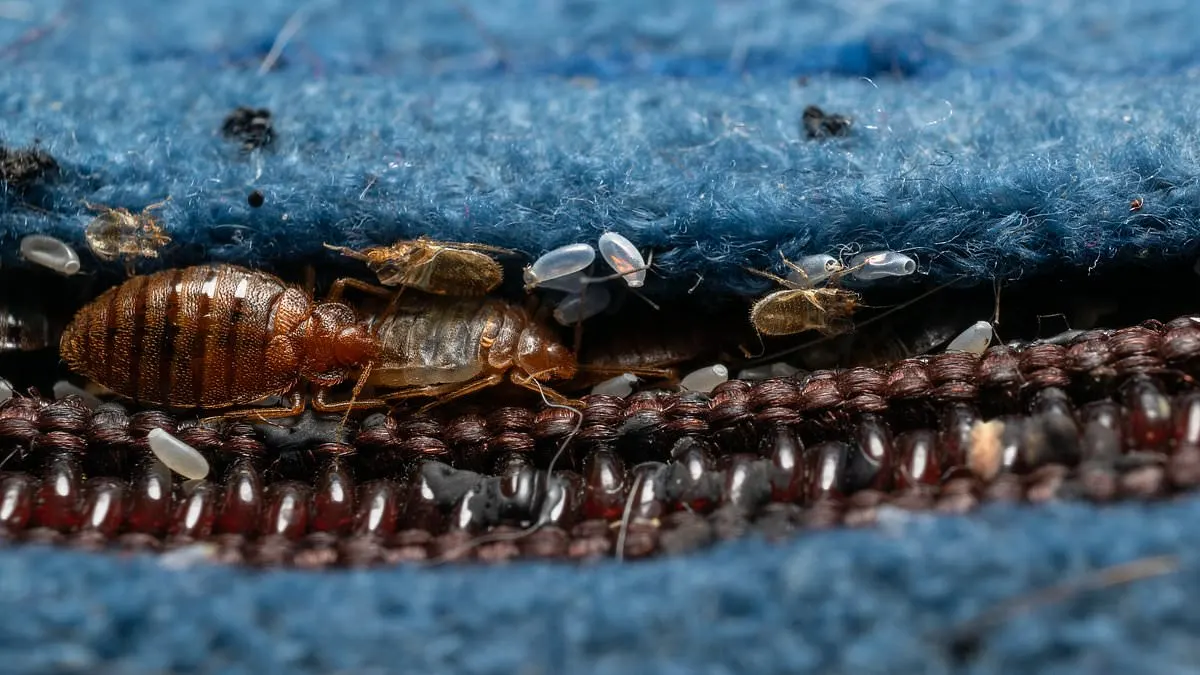
Bed bugs have been reported on trains and aircraft, prompting an expert to warn that more pests are travelling with passengers than ever before. Recent incidents disrupted Southeastern train services and led Qantas to cancel a flight and remove an aircraft from service for cleaning, highlighting how bed bugs can spread through travel.
Valpas co-founder Martim Gois says the insects move with travellers and are commonly carried from hotel and holiday-rental beds in luggage; he stresses that sightings are not necessarily a sign of poor cleanliness. He says European capitals popular with British visitors are seeing a 20 to 25 per cent annual increase in bed bugs carried into hotels and stopped on arrival. Qantas said passengers affected by the mid-flight incident were offered accommodation and alternative flights, while Southeastern said reported cases were limited to drivers’ cabs on two trains.
- Bed bugs have been reported on trains and a Qantas flight.
- Qantas cancelled a return service for aircraft cleaning.
- An expert links their spread to travellers and hotel beds.
New here? Start with this
Bed bugs are small insects that feed on human blood and can hide in mattress seams, furniture and luggage. They do not fly, but can be carried from place to place in bags, clothing or other belongings.
Travellers may pick them up in hotels or holiday rentals and carry them on to trains or aircraft. Their presence does not by itself show that a room or vehicle is poorly cleaned, and finding them can lead to disruption while affected areas are checked and treated.
Hotels, transport operators and pest-control specialists all have a role in responding to reports. The issue matters to travellers because insects can spread between places, while dealing with an infestation may require rooms or vehicles to be taken out of use.
Read the full article at the source →
Originally published by Daily Mail as “‘We’re at PEAK bed bug’: Are insects coming on holiday with YOU? Bloodsucking pests are spreading through travel hotspots as expert issues warning”.