Entertainment news and discussion on TalkFuse.
‘We’re interested in having the whole PC catalog as our ‘launch exclusive”: Valve talks exclusives and the advantages of an open platform
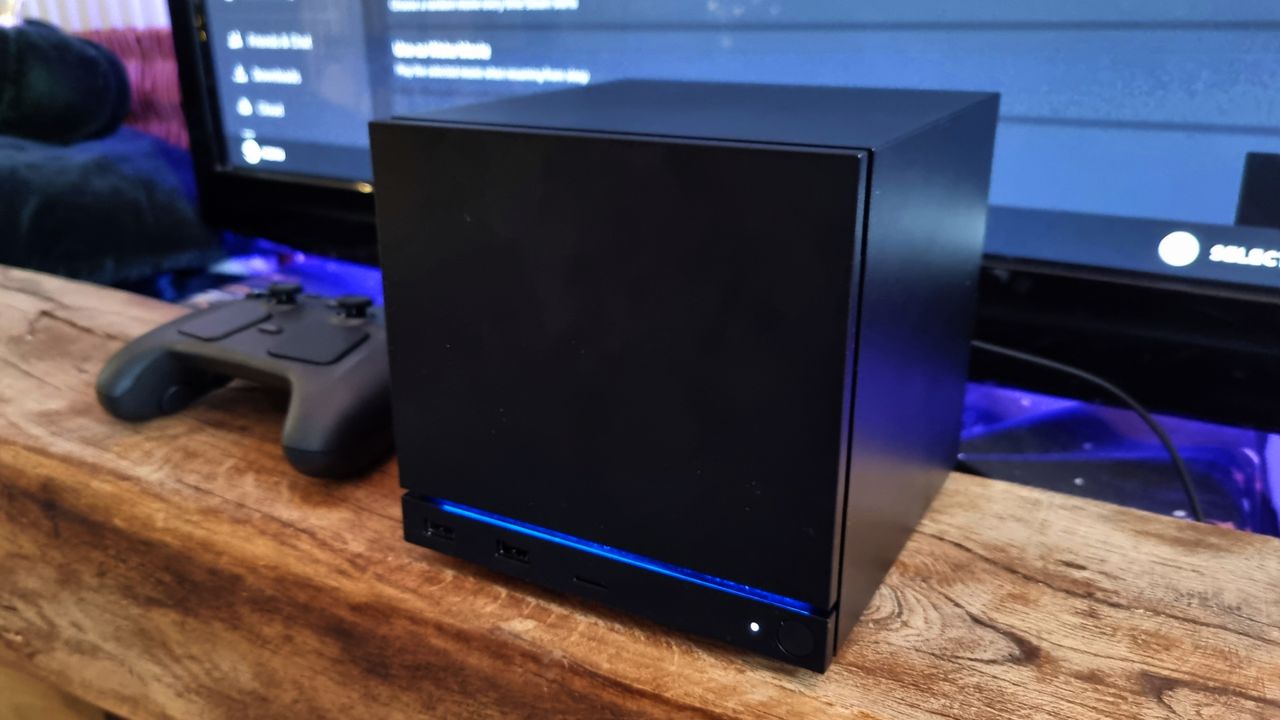
Valve takes a counterintuitive approach to consumer hardware by pricing its Steam Machine near production cost and actively welcoming competing manufacturers to develop their own PC devices. Rather than following the console industry model of platform-exclusive games, the company makes its entire software catalogue available across all compatible PC hardware. Valve's strategy treats the personal computer itself as the exclusive platform—not its own branded device—positioning the entire ecosystem as competition against rival console manufacturers rather than against other PC makers.
Valve engineers justify this philosophy through a long-term growth perspective. The company believes that manufacturing competition and innovation from multiple hardware vendors generates improvements benefiting the entire PC market. When different manufacturers experiment with novel designs and features, successful innovations become standards that elevate the experience universally, attracting more users to PC gaming overall. By refusing to lock content to proprietary hardware, Valve aims to expand PC's market share and viability relative to closed gaming platforms.
In short
- Valve refuses to create exclusive games for its Steam Machine hardware, instead making all PC titles universally available
- The company prices hardware at cost and encourages competing manufacturers to innovate within the PC ecosystem
- Valve believes open competition drives technical advances that benefit all PC users, strengthening the platform long-term
Steelman: both sides, in good faith
The strongest fair case each way — we don't pick a winner.
The case for
Valve's open approach prioritises consumer choice and market competition, reasoning that when manufacturers compete freely to innovate without proprietary restrictions, the entire PC ecosystem expands and strengthens. By refusing to lock content to proprietary hardware, Valve removes friction that deters new users from entering the PC market, ultimately growing PC's share against closed platforms. This philosophy recognises that today's niche innovation often becomes tomorrow's industry standard, benefiting all when freely implemented across the ecosystem rather than locked behind exclusivity agreements.
The case against
The exclusive content model used by major console manufacturers provides essential incentives for hardware makers to invest significantly in research and development and recoup substantial costs. Proprietary exclusive titles create tangible reasons for consumers to choose one manufacturer's hardware over another, driving competition on quality and innovation rather than merely price; without such incentives, hardware makers lack sufficient differentiation, potentially discouraging investment in specialised designs. The console industry's commercial success demonstrates that consumers accept—indeed, expect—platform exclusivity in exchange for curated, optimised gaming experiences on dedicated hardware.
Explained simply
Valve operates Steam, a digital storefront where millions of PC gamers purchase and play video games. Unlike console manufacturers such as Sony, Microsoft and Nintendo, Valve does not restrict its games to its own branded hardware. Instead, the company actively encourages other manufacturers to create PC gaming devices, and makes its entire game catalogue available across all compatible systems.
This approach differs markedly from the console industry's traditional strategy of securing exclusive games for proprietary hardware to encourage consumers to purchase specific devices. Valve's own hardware offering, the Steam Machine, is priced near manufacturing cost rather than being marked up for profit. The company views this as generating competition between hardware makers rather than creating an exclusive ecosystem locked to a single manufacturer.
Valve's rationale centres on the belief that hardware competition drives innovation across the entire PC market. When multiple manufacturers experiment with different designs and features, successful innovations tend to become industry standards that benefit all users, potentially attracting more consumers to PC gaming compared to closed console platforms. By avoiding exclusive content arrangements, Valve positions the open PC platform as a unified competitor against rival gaming ecosystems.