West Virginia looks to AI data center boom to help eliminate state income tax
West Virginia's governor, Patrick Morrisey, has unveiled a seven-point plan aimed at using revenue from the state's booming artificial intelligence data centre sector to reduce, and eventually eliminate, personal income tax. The initiative reflects a wider trend of US states competing for the huge investment and job creation that hyperscale data centres bring, while also trying to manage growing public unease over rising utility costs, water consumption and strain on local infrastructure and power grids.
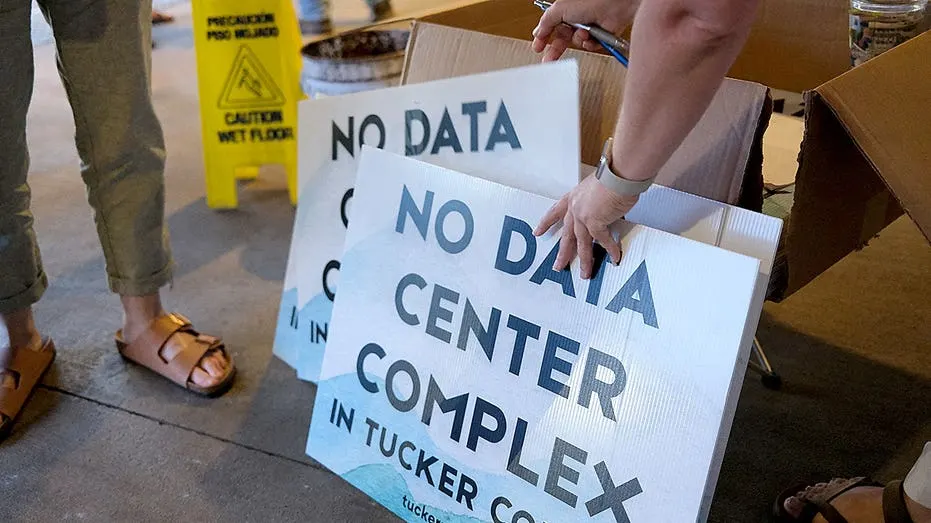
Under the plan, 50% of revenue from approved hyperscale data centre projects would go towards cutting and ultimately abolishing the state income tax, with a further 30% directed to hosting counties for schools and local government, 10% shared among all 55 counties, and 10% allocated to infrastructure, including public water systems. The scheme builds on West Virginia's 2025 "High Impact Data Center Designation" law and aims to ensure none of the revenue enters the general fund, alongside measures to shield utility customers from added costs. Despite the promised tax relief, some residents, particularly in the Eastern Panhandle bordering Washington DC, remain wary, drawing comparisons with neighbouring Loudoun County, Virginia, where extensive data centre development has caused friction with local communities.
- West Virginia plans to phase out income tax using data centre revenue
- 50% of hyperscale data centre revenue would fund tax cuts
- Some residents fear rising utility costs and water strain
New here? Start with this
AI data centres are large facilities filled with computer servers that store and process information. The biggest projects, often called hyperscale data centres, can require substantial electricity, water and supporting infrastructure, while bringing investment and some jobs to the areas where they are built.
West Virginia is a state in the eastern United States, where personal income tax is charged on residents’ earnings. Governor Patrick Morrisey’s proposal links future data centre revenue to reducing that tax and providing money for local services and infrastructure. A 2025 state law created a process for designating qualifying data centre projects as high impact.
The debate reflects a broader effort by US states to attract data centre investment while addressing concerns about its local costs. In West Virginia’s Eastern Panhandle, some residents are watching development in neighbouring Loudoun County, Virginia, where data centres have prompted community friction. Utilities, water supplies and local infrastructure are among the issues shaping that discussion.
Both sides, in good faith
The strongest fair case each way — we don't pick a winner.
The case for
Supporters argue this is a rare chance to convert a fast-growing, high-value industry into direct relief for ordinary taxpayers rather than letting the proceeds simply vanish into the general fund. By ring-fencing revenue specifically for tax cuts, county services and infrastructure, they see a disciplined mechanism that rewards the state for embracing investment other regions resist, diversifies West Virginia's narrow tax base, and gives hosting communities and even non-hosting counties a guaranteed share of the upside. They view safeguards against passing costs to utility customers as evidence the plan has been designed with local wellbeing, not just corporate courtship, in mind.
The case against
Sceptics counter that hitching income tax relief to a volatile, capital-intensive sector like AI data centres is fiscally risky, since a downturn or shift in industry investment patterns could leave the state committed to lower revenue without a durable replacement. They point to the experience of places like Loudoun County, where dense data centre clusters have strained power grids, driven up water use and altered the character of communities, arguing that promised protections often prove weaker in practice than on paper. For these residents, the deeper concern is that long-term environmental and infrastructure costs, and the erosion of local input over development, may fall on communities that see only a modest, uncertain share of the financial benefit.