Western Australia rolls out new FOGO bin rule: ‘It’s so important’
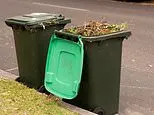
Western Australia has quietly changed the rules for what can go in household FOGO (Food Organics, Garden Organics) bins, banning items such as poo bags, tea bags, paper towels and pizza boxes. The move brings the state's guidelines into line with other jurisdictions and is aimed at improving the quality of compostable material collected, reducing contamination that can otherwise send green waste to landfill instead of being processed into compost.
The updated rules officially took effect on 10 July 2026, though local councils only began publicising the changes on social media more recently, leaving many residents unaware of the shift. Officials have confirmed the changes will not affect bin collection days, bin sizes or how the wider waste collection service operates, meaning the update is limited purely to what materials are accepted in the green FOGO bin.
- WA banned poo bags, tea bags, paper towels and pizza boxes from FOGO bins
- Rule took effect 10 July 2026, only now being widely publicised
- Collection days, bin sizes and services remain unchanged
New here? Start with this
Western Australia has updated what households are allowed to put in their FOGO bins, the kerbside bins used to collect food scraps and garden waste for composting. Certain everyday items that people often assumed were fine, such as poo bags, tea bags, paper towels and pizza boxes, are now excluded because they contaminate the compost or fail to break down properly.
Councils and waste authorities are behind the change, which brings Western Australia's rules more in line with those already used in other Australian states. The aim is to keep the collected organic material clean enough to be turned into usable compost, since contaminated loads can end up being sent to landfill instead.
The change matters to residents because getting it wrong could mean their garden and food waste is rejected from composting, undermining the point of having a separate FOGO bin in the first place. It does not affect bin collection days, bin sizes or the wider rubbish collection service, only which materials are accepted in the green bin.
Both sides, in good faith
The strongest fair case each way — we don't pick a winner.
The case for
Supporters argue that diverting food and garden waste from landfill meaningfully cuts methane emissions, extends landfill capacity, and produces valuable compost that can be returned to agriculture, making mandatory FOGO separation a sensible, evidence-based step towards councils' environmental targets. They contend that voluntary schemes have historically achieved poor participation, so clear rules with proper bins and consistent enforcement are needed to shift household habits and deliver genuine, measurable environmental gains. For these advocates, a short adjustment period is a small price for long-term sustainability benefits shared by the whole community.
The case against
Critics who share environmental goals nonetheless worry about how the change has been implemented, arguing that residents were given little practical notice, with some councils only publicising the July 10 rule shift online well after it took effect, leaving people unprepared or facing confusion over correct disposal. They also raise concerns about the added burden on households, particularly renters, elderly residents, or those in flats without suitable outdoor space, who may struggle with extra bins, odour management, or unclear guidance, and question whether communication and support have kept pace with the policy's ambition. Their objection is less to composting itself than to a rollout they see as rushed and poorly explained.