British Museum keeps mummies on display, citing public benefit
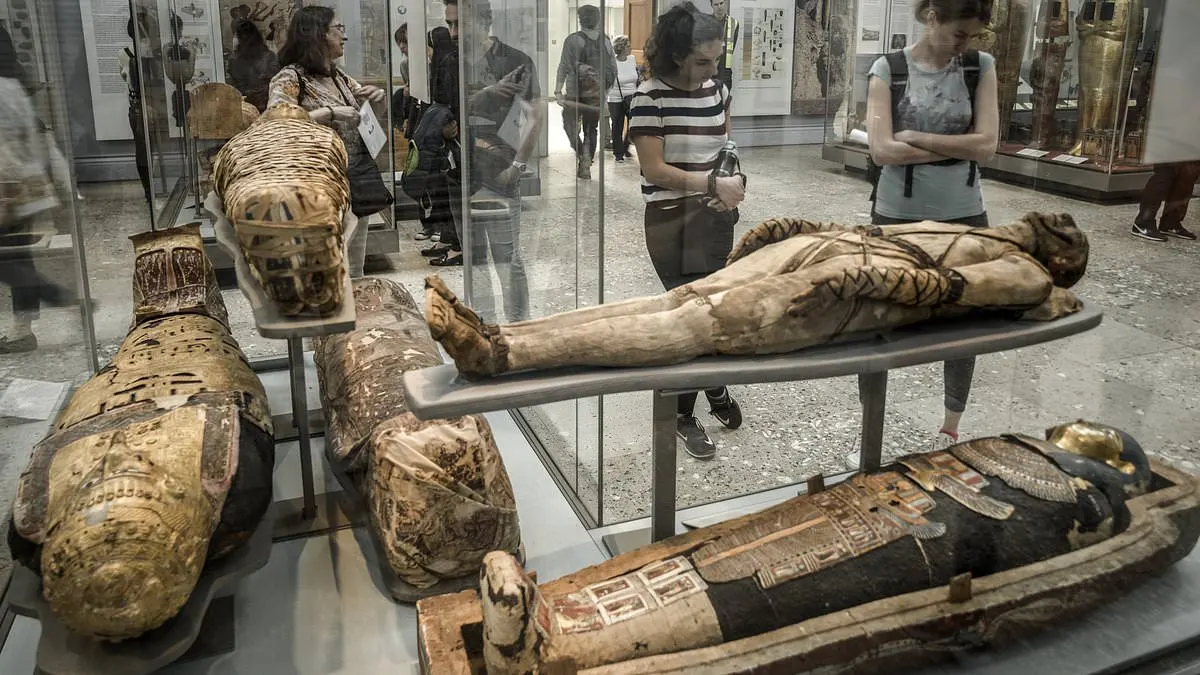
The British Museum says its mummies will remain on display, citing their educational, historical and scientific value. Its position contrasts with museums in Glasgow that have withdrawn or covered Egyptian remains, prompting debate over how museums should balance public access with respect for the dead.
The British Museum’s policy says human remains should be treated with care and accompanied by explanatory information, while trustees presume they should remain in the collection for public benefit. Kelvingrove has removed a coffin containing the priest Nekht, a mummified head, hand and foot; Glasgow Life says it will also remove remains from St Mungo Museum. The Hunterian Museum has covered the mummy known as Lady Shep-En-Hor.
In short
- The British Museum plans to keep its mummies on display.
- Glasgow museums have removed or covered Egyptian remains.
- The debate centres on education, public access and respect.
Steelman: both sides, in good faith
The strongest fair case each way — we don't pick a winner.
The case for
Keeping the mummies on display can support public education and research, helping visitors understand ancient Egyptian history, burial practices and the science of preservation. With careful interpretation and respectful presentation, museums can make these collections accessible while explaining their origins and significance.
The case against
Displaying human remains may conflict with the dignity owed to the dead, particularly when they were collected in circumstances that did not involve meaningful consent. Covering or removing them can show respect for the people represented and recognise that public interest does not automatically outweigh concerns about treating human remains as exhibits.
Explained simply
Ancient Egyptian mummies are human remains preserved after death, sometimes placed in coffins with objects and inscriptions linked to beliefs about the afterlife. Museums collect them as historical evidence, and researchers can study them to learn about past lives, health and burial practices.
The British Museum and Glasgow’s museums are making different choices about displaying these remains. The British Museum says public access can support education and research, while Glasgow museums have removed or covered some displays as they consider how to show human remains respectfully.
The debate involves museum trustees, curators, researchers and visitors, as well as questions about the wishes and dignity of the dead. It matters because museums must weigh access to collections against the care owed to the people whose remains they hold.
Read the full article at the source →
Originally published by Daily Mail as “We’ve no mummy issues say British Museum amid woke backlash at remains removal”.