What Android looked like in 2008 vs. today
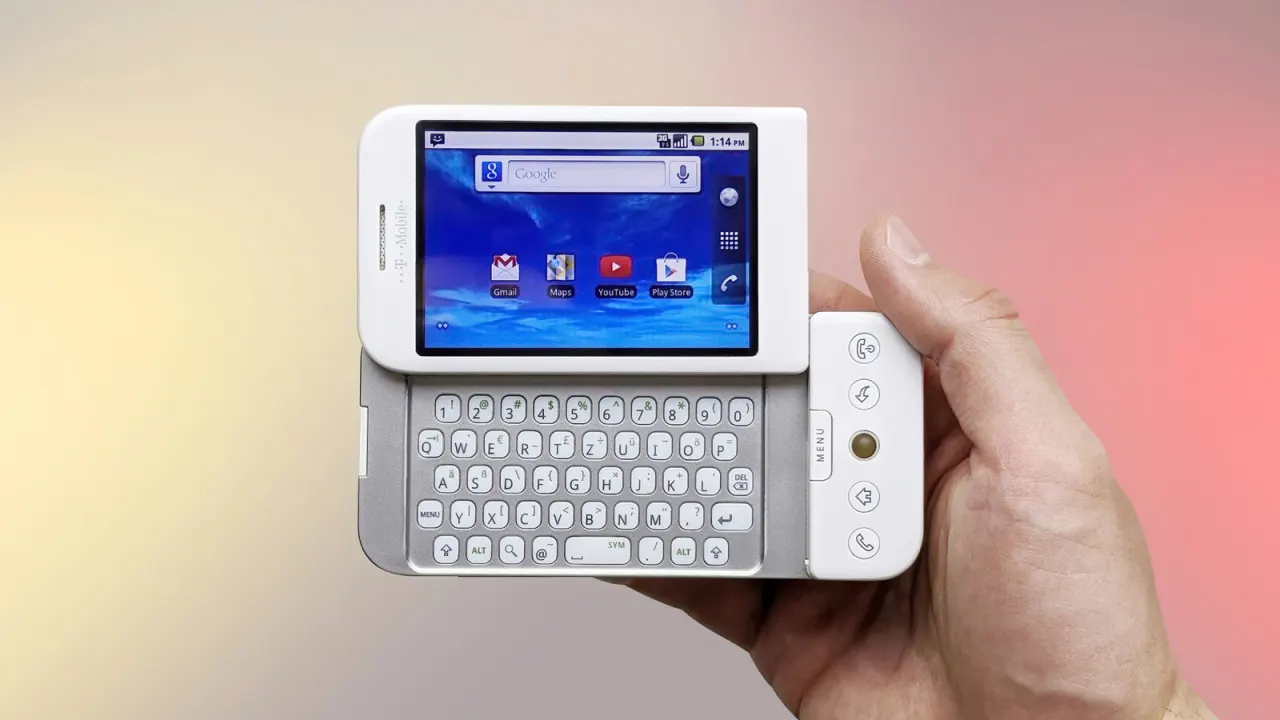
Engadget marks the anniversary of Android's launch by comparing the original HTC Dream (T-Mobile G1) from 2008 with the operating system today, tracing how a hurried, underdog product became the world's most widely used mobile OS. Android was born out of urgency: Google, having bought Andy Rubin's fledgling software venture in 2005 for $50 million, scrambled to adapt it into a smartphone platform after Apple's 2007 iPhone launch caught the industry off guard, rallying manufacturers into the Open Handset Alliance to challenge Apple, BlackBerry and Microsoft.
The G1 launched in 2008 running Android 1.0 "Cupcake" (later updated to 1.6 "Donut"), with an awkward slide-out keyboard, no on-screen keyboard, no copy-paste and no multitouch support—features that only arrived with later updates. Even so, some foundational elements proved durable, notably the Android Market (now Google Play Store) and the pull-down notification shade, both present from launch and still core to the OS today, with the notification shade later even adopted by Apple's iOS.
- Android launched in 2008 on the HTC Dream/T-Mobile G1 as an iPhone rival.
- Early Android lacked copy-paste, on-screen keyboard and multitouch support.
- The Play Store and notification shade have endured since Android's first version.
New here? Start with this
Google bought Android, a small software company founded by Andy Rubin, in 2005. After Apple introduced the iPhone in 2007, Google and a group of phone makers formed the Open Handset Alliance to develop a smartphone system that could compete with established platforms.
The first Android phone, the HTC Dream, also called the T-Mobile G1, arrived in 2008 with a slide-out physical keyboard. Early Android lacked features now familiar on smartphones, including an on-screen keyboard and copy-and-paste. Its app shop and pull-down notification panel laid foundations that remain part of Android today.