Health news and discussion on TalkFuse.
What are my children exposed to? Why I want testing for cancer-causing chemicals
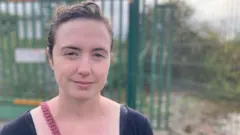
Residents of north Wales, including campaigners Natalie Dugdale and Michael Phillips, are calling for voluntary blood testing after discovering their local communities were used as dumping grounds for PCBs, cancer-causing chemicals once produced by Monsanto. A BBC documentary revealed that Llwyneinion lagoon near Wrexham, where residents and children have spent time, alongside 13 other sites, were contaminated with these "forever chemicals" that persist in the environment. This matters because residents are concerned about long-term health effects and want to establish who has been exposed, particularly given reports of rare cancer diagnoses among former childhood visitors to the lagoon.
Public Health Wales has rejected calls for blood testing, arguing that such tests do not reliably assess individual exposure levels and could cause unnecessary concern among residents. However, Michael Phillips, who played at Llwyneinion lagoon as a child, was found through private testing to have "very high" levels of PCBs in his blood; he reports that many childhood friends have developed or died from rare cancers. The newly formed campaign group comprises hundreds of residents from villages near the former Monsanto works in Cefn Mawr, Acrefair, and Trevor, and investigators found elevated PCB levels in soil samples in publicly accessible areas beyond the lagoon's fenced perimeter.
In short
- Residents campaign for PCB blood testing after discovering childhood exposure to Monsanto toxic waste
- Public Health Wales rejected testing; residents report rare cancers linked to contaminated lagoon
- Forever chemicals found at 14 sites; persistent environmental threat to wildlife and human health
Steelman: both sides, in good faith
The strongest fair case each way — we don't pick a winner.
The case for
Residents argue that documented PCB contamination across multiple sites and evidence that at least one community member accumulated 'very high' levels demonstrate genuine exposure has occurred. They maintain that people deserve to know their individual exposure status and establish a personal medical baseline, particularly given a known carcinogen is involved, enabling them to make informed healthcare decisions and monitor their health appropriately going forward. They see testing as a matter of public accountability and individual informed consent.
The case against
Public Health Wales argues that blood testing for PCBs does not reliably measure individual environmental exposure, especially from legacy contamination, and that the results would be difficult to interpret meaningfully. They contend that offering such testing could trigger unnecessary health anxiety and psychological harm across the community without providing actionable medical interventions or reliable predictive value. They maintain that population-level cancer surveillance would provide more scientifically sound public health data than individual tests of uncertain clinical significance.
Explained simply
PCBs are industrial chemicals once made by Monsanto. They break down very slowly, so contamination can remain in soil and water for many years. A BBC documentary reported that Llwyneinion lagoon near Wrexham and 13 other sites in north Wales were used for dumping PCBs.
Residents in nearby villages, including campaigners Natalie Dugdale and Michael Phillips, say people may have been exposed while spending time at the lagoon or other public areas. Phillips, who visited the lagoon as a child, says private blood tests found high PCB levels; some former visitors have also reported rare cancers among friends.
The campaign group wants voluntary blood tests to help residents understand possible exposure. Public Health Wales says blood tests cannot reliably show an individual’s exposure and could cause unnecessary worry.
Health Medicine Science UK World