Politics news and discussion on TalkFuse.
What are the planned changes to immigration rules?
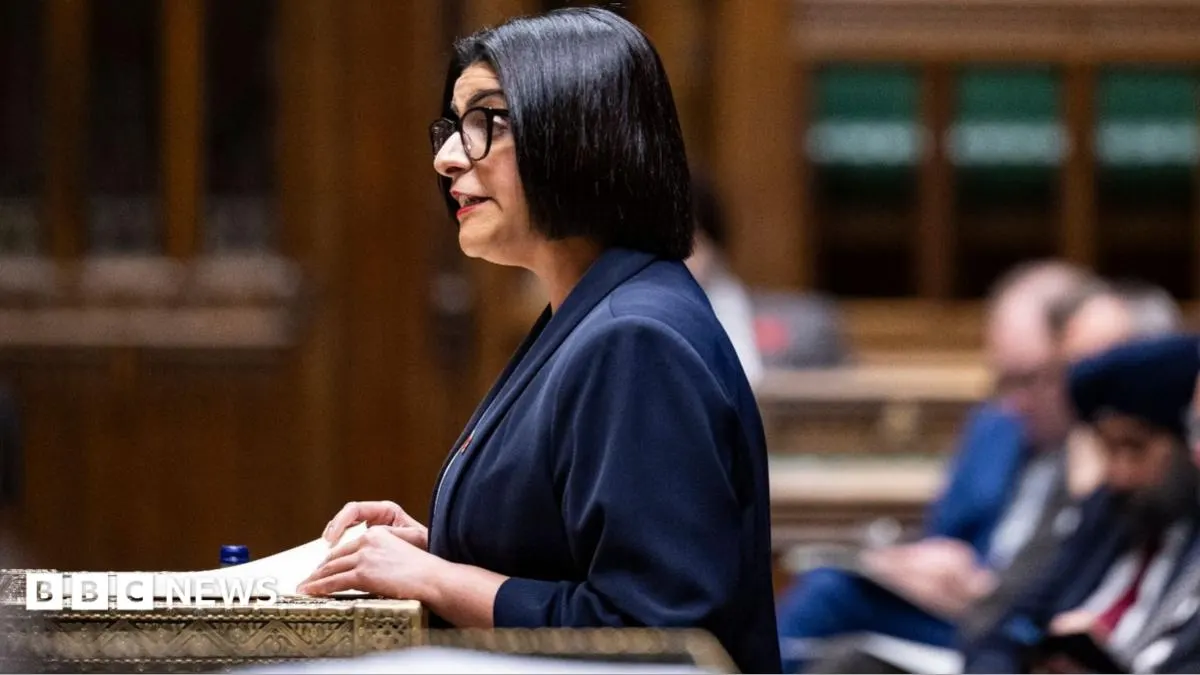
Home Secretary Shabana Mahmood has confirmed plans to make settlement in the UK harder to obtain, arguing that migrants should earn the right to stay permanently through their contribution. The standard qualifying period for indefinite leave to remain will rise from five to 10 years, and the changes will apply to migrants already in the UK who have not yet been granted settlement.
Some groups will qualify sooner: certain higher earners, eligible care workers and public service workers can use a five-year route, while some highly paid or highly skilled migrants can qualify after three years. Applicants will generally need to meet earnings and other conditions; people who have claimed certain benefits or broken immigration rules may face at least 20 years, and adults with criminal records will be refused settlement. Refugees will have separate routes, ranging from five years for those arriving through official schemes to 30 years for some who arrived by illegal routes and do not work or study.
In short
- Standard settlement wait rises from five to 10 years.
- Some workers and high earners can qualify sooner.
- Refugee routes range from five to 30 years.
Steelman: both sides, in good faith
The strongest fair case each way — we don't pick a winner.
The case for
Supporters argue that permanent settlement should reflect sustained contribution and compliance with the rules, and that a longer standard route could strengthen public confidence in the immigration system. They may see faster routes for some high earners and essential workers, alongside penalties for serious breaches or criminal records, as a way to recognise contribution while protecting the public interest.
The case against
Critics argue that extending the wait to 10 years, including for people already in the UK, risks undermining fairness and the security people need to build stable lives and communities. They may also contend that tying settlement to earnings, benefit use or route of arrival could penalise people facing hardship or vulnerability, and that lengthy waits for some refugees sit uneasily with the aim of enabling protection and integration.
Explained simply
Indefinite leave to remain, often called settlement, lets a person live in the UK permanently without needing a visa to stay. It can also be an important step towards applying for British citizenship.
The Home Office sets the rules for who can settle and when. Migrants have generally been able to apply after five years, though different visa routes and personal circumstances can affect eligibility.
The plans link the time people must wait to factors such as their work, earnings and compliance with immigration rules. Refugees follow separate routes, reflecting how they arrived in the UK and their circumstances.