World news and discussion on TalkFuse.
What Comes Next for Brazil After ‘I’m Still Here’ and ‘The Secret Agent’? International Co-Productions Point Towards a Strong International Future
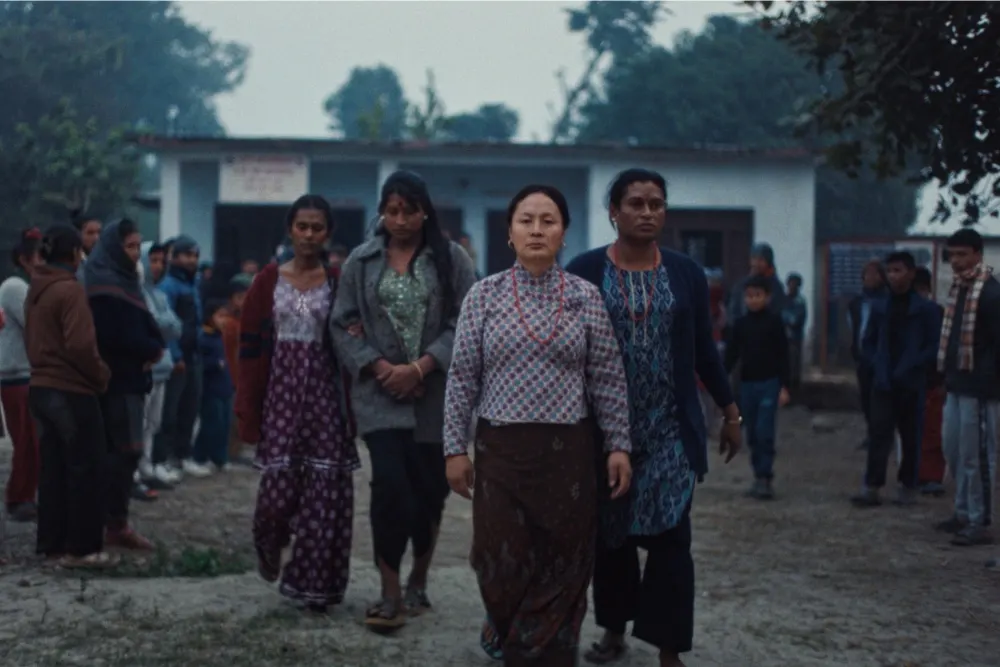
Following the Oscar success of “I’m Still Here” and the international acclaim for “The Secret Agent”, Brazil’s film industry is increasingly looking to international co-productions to maintain its global momentum. Although no primarily Brazilian production entered the main competition at Cannes, Berlin or Venice in 2026, Brazilian companies played a central role in several cross-border projects, signalling a broader and more internationally connected industry.
Recent co-productions have linked Brazil with partners including Nepal, Finland and Italy, while the Rio Film Festival has introduced a strand highlighting this trend. Industry figures say co-productions widen films’ international prospects and reflect supportive public policies, including treaties, market incentives and Audiovisual Sector Fund programmes; an Oxford Economics study also found that Brazil’s audiovisual sector generates more than 600,000 direct and indirect jobs, over 58% more than the automotive industry.
In short
- Brazil is pursuing international co-productions after recent global film successes.
- Partnerships now span countries including Nepal, Finland and Italy.
- Public funding and the sector’s economic impact support further growth.
Steelman: both sides, in good faith
The strongest fair case each way — we don't pick a winner.
The case for
International co-productions represent a pragmatic evolution for Brazil's film industry, enabling ambitious storytelling through cross-border collaboration and international distribution networks whilst generating substantial economic benefits—the audiovisual sector provides over 600,000 jobs, exceeding the automotive industry. Recent successes like 'I'm Still Here' demonstrate that global partnerships amplify Brazilian cinema rather than diminishing it, and supportive public policies recognise this approach positions the industry competitively for sustainable growth.
The case against
Over-reliance on international co-productions risks eroding Brazil's cultural autonomy and distinctive voice, as foreign partners inevitably influence creative decisions and channel resources beyond domestic control. A resilient film industry requires robust independent production capacity built through domestic investment; prioritising international collaborations over this foundation may compromise long-term creative independence and prevent development of a uniquely Brazilian cinema unburdened by commercial pressures of international financiers.
Explained simply
Brazil has a long-established film industry, and its films have gained wider attention through major awards and international festival acclaim. Making a film with partners in other countries is one way Brazilian producers work with overseas talent, companies and funding.
Brazil’s public support for film includes international agreements, incentives and funding programmes. These can help producers finance projects and build links with film industries in other countries. The Rio Film Festival has also added a strand focused on co-productions.
The audiovisual sector includes film and other screen work, and an Oxford Economics study estimated it supports more than 600,000 direct and indirect jobs in Brazil. International partnerships may help Brazilian films reach audiences abroad while connecting the industry to projects and resources in other markets.
Americas Business Entertainment Film Markets World