Politics news and discussion on TalkFuse.
What do Democrats’ sweeping midterm wins mean for Trump’s ICE crackdown?
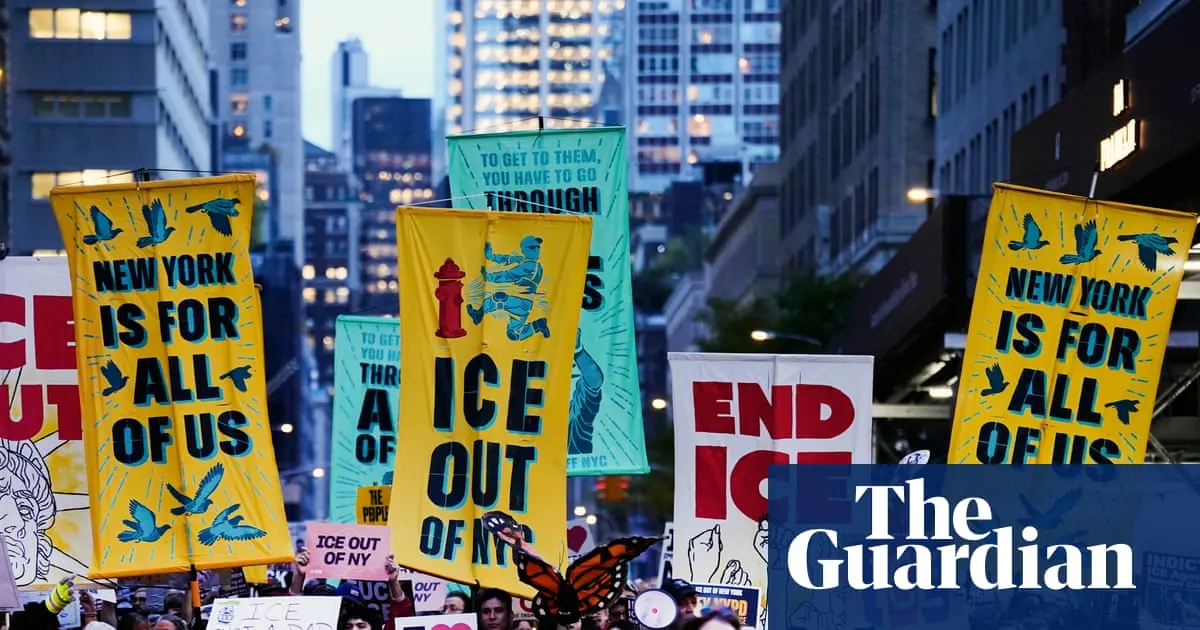
Democrats’ midterm victories give them majorities in both chambers of Congress and a stronger mandate to challenge President Donald Trump’s immigration crackdown, which helped cost Republicans support. They can press for changes to ICE, but passing laws will be difficult without Republican backing, given the Senate filibuster and the prospect of a presidential veto.
Democrats are considering measures such as banning ICE officers from wearing masks and requiring body cameras, while committee investigations, subpoenas, public hearings and visits to detention centres offer more immediate ways to scrutinise enforcement. Leaders may summon senior officials including Homeland Security Secretary Markwayne Mullin and border czar Tom Homan. Broader immigration reform remains difficult, though narrower proposals could attract support: a recent Gallup poll found 81% of Americans back a citizenship pathway for undocumented immigrants who came to the US as children.
In short
- Democrats can expand scrutiny of ICE through congressional oversight.
- Passing new restrictions will likely require Republican support.
- Some targeted immigration reforms may have broader backing.
Steelman: both sides, in good faith
The strongest fair case each way — we don't pick a winner.
The case for
Democrats can argue that their midterm victories give them a mandate to scrutinise and constrain an immigration crackdown that cost Republicans support. Requiring body cameras, limiting officers’ use of masks and investigating detention conditions could improve accountability, while a citizenship pathway for people brought to the US as children has broad public backing.
The case against
Republicans can argue that election results do not by themselves settle which immigration policies are effective or how enforcement should be conducted, and that Congress should avoid restrictions that could hinder officers carrying out their duties. They may also contend that major policy changes need broader agreement, especially when legislation would face the Senate filibuster and a presidential veto.
Explained simply
ICE, or Immigration and Customs Enforcement, is a federal agency that enforces immigration laws inside the United States and runs or oversees detention centres. Donald Trump’s administration has made tougher immigration enforcement a central policy, making ICE’s methods and the treatment of people in detention subjects of political debate.
Congress has two chambers: the House of Representatives and the Senate. Its committees can hold hearings, request documents and summon officials to answer questions, while lawmakers can propose changes to the rules governing ICE. Passing new laws can be difficult: major legislation may need broad Senate support, and the president can veto bills.
The debate also touches on wider questions about who can live and work in the United States. One proposal that has drawn broad public support in polling is a route to citizenship for some people brought to the country without legal status as children; turning proposals into law still depends on political agreement.
Elections Government Politics World