How fused deposition modelling builds affordable 3D-printed objects
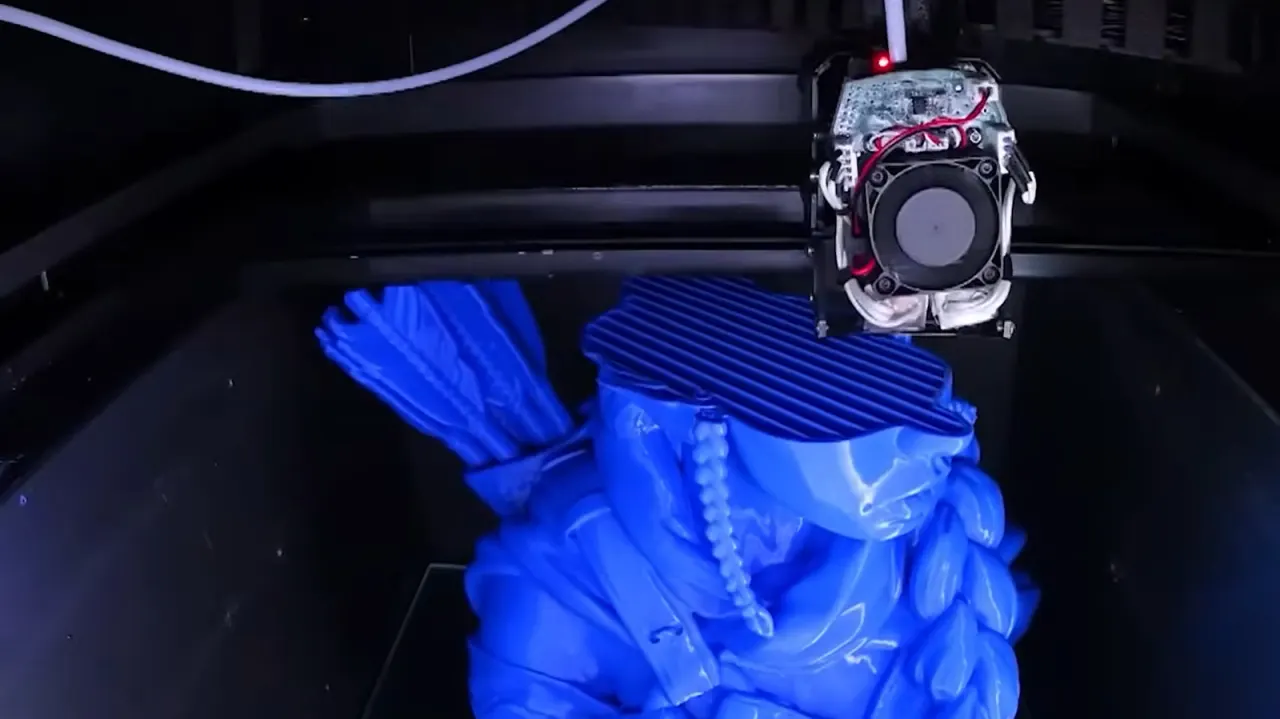
Fused Deposition Modeling (FDM) is one of the most popular types of 3D printing technology used by both professionals and hobbyists. The method builds three-dimensional objects by layering thermoplastic filaments that fuse together, making it an accessible and affordable entry point for those interested in 3D printing.
FDM works by converting computer-aided design files into printer instructions, which feed heated filament through a nozzle to build objects layer by layer, a process that can take anywhere from minutes to several days depending on the model's size and complexity. Whilst the technology offers quick turnaround times, low material costs and minimal equipment investment, it has significant limitations including low resolution, difficulty producing intricate details, warping issues during cooling, and reduced structural durability.
- FDM is one of the most popular and affordable 3D printing methods
- It builds objects layer by layer using melted thermoplastic filaments
- Main limitations include low resolution and weakness under pressure
New here? Start with this
Fused deposition modelling is a 3D printing method that builds objects by stacking very thin layers of melted plastic on top of each other. It has become popular because it is relatively cheap and accessible compared to other 3D printing methods, making it available to both large manufacturers and home users.
The process starts with a digital design that the printer converts into instructions, then feeds heated plastic filament through a small nozzle to gradually build up the object layer by layer. Depending on how large and complex the item is, the printing can take anywhere from a few minutes to several days to complete.
The technology offers clear advantages including fast production times, low material costs and affordable equipment, which is why it has attracted significant interest. However, the method has limitations: printed objects can lack fine detail, may warp as they cool, and tend to be less structurally strong than items made with other manufacturing methods.
Read the full article at the source →
Originally published by Engadget as “What does FDM stand for in 3D printing and how does it work?”.