What if ‘Halloween’ had abandoned Michael Myers and become a horror anthology?
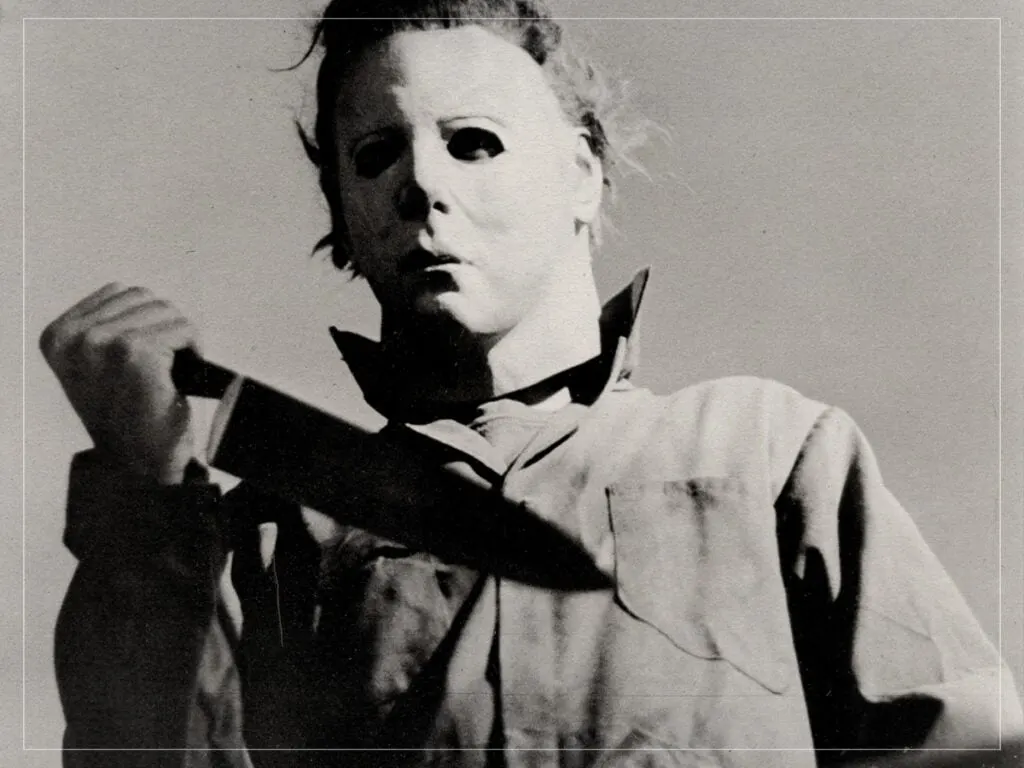
John Carpenter originally envisioned the Halloween films as a yearly horror anthology, with each instalment telling a different story rather than continuing Michael Myers’s tale. That idea matters because it could have taken the series in a new direction, but audiences had come to expect Myers and many later films returned to him.
Carpenter considered Michael’s story finished after Halloween II and planned for Halloween III: Season of the Witch to begin the anthology approach. The film’s poor box office and negative reception were attributed in the article to viewers’ attachment to Myers and difficulty with its more conceptual story. The franchise subsequently moved back towards its original killer, leaving the anthology idea largely unrealised.
In short
- Carpenter planned a different horror story each year.
- Halloween III’s reception helped bring Myers back.
- The anthology approach might have changed the franchise’s course.
Steelman: both sides, in good faith
The strongest fair case each way — we don't pick a winner.
The case for
An anthology could have kept Halloween inventive, letting each film explore a distinct horror premise instead of extending Michael Myers’s story after Carpenter considered it complete. That approach might have given filmmakers room to take creative risks and made the series less dependent on repeating one killer’s mythology.
The case against
A continuing Michael Myers story offered audiences the character and suspense they associated with Halloween, giving the series a recognisable identity. Returning to that formula could be seen as a reasonable response to viewers’ expectations, while the reception of Season of the Witch suggested that a sharp change in direction risked losing the audience the franchise had built.