World news and discussion on TalkFuse.
What impact will the Shenzhen summit have on the US-China trade war?
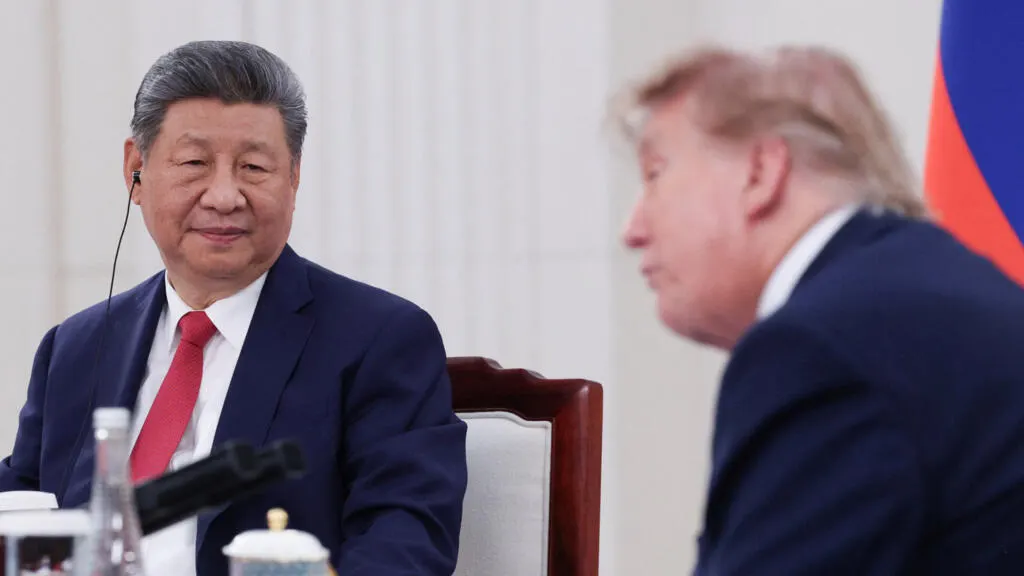
The 90-minute meeting between China’s Xi Jinping, US President Donald Trump and Russia’s Vladimir Putin in Shenzhen produced few concrete public outcomes. Although its staging invited comparisons with the 1945 Yalta Conference, an analyst said the talks reflected China’s push for a multipolar order rather than an agreement to divide the world into spheres of influence.
A joint declaration from Beijing and Moscow called for unspecified UN reforms, higher global oil production and limits on the jurisdiction of the International Criminal Court and similar bodies; it also said nuclear wars have no winners. The summit appears not to have eased US-China trade tensions: a truce following China’s threat to restrict rare earth exports is due to end in January, while the United States has tightened rules on exports of advanced computing technology.
In short
- The Shenzhen summit produced few concrete public commitments.
- US-China trade tensions remain unresolved.
- The rare earth export truce ends in January.
Steelman: both sides, in good faith
The strongest fair case each way — we don't pick a winner.
The case for
The summit could still help contain the trade war by keeping leaders in direct contact and signalling that neither side wants tensions to spiral into a wider confrontation. Even without a public deal, discussion may create room for further negotiation before the truce expires and reduce the risk of miscalculation over rare earths or technology controls.
The case against
The lack of concrete outcomes, alongside continuing US technology restrictions and the approaching end of the rare earths truce, gives little reason to expect the meeting to change the course of the trade dispute. Its emphasis on broader geopolitical themes may have served China’s aim of promoting a multipolar order without resolving the specific economic disagreements driving tensions.
Explained simply
The US-China trade war is a long-running dispute over tariffs, trade rules and access to technology. Tariffs are taxes on imported goods, while export restrictions can limit what companies are allowed to sell abroad; China’s role as a major supplier of rare earth minerals has also become part of the dispute.
China’s Xi Jinping, US President Donald Trump and Russia’s Vladimir Putin are leaders of three major powers, but the meeting does not by itself settle their countries’ separate trade disputes. The trade truce between Washington and Beijing is due to end in January, and US limits on exports of advanced computing technology remain in place.
The dispute matters because changes to tariffs, mineral supplies and technology exports can affect businesses, workers and prices in many countries. It also reflects wider competition over how global trade and international rules should work.
Americas Asia Europe Geopolitics Government Politics World