Science news and discussion on TalkFuse.
What is a stake at the EU-UK summit in Brussels?
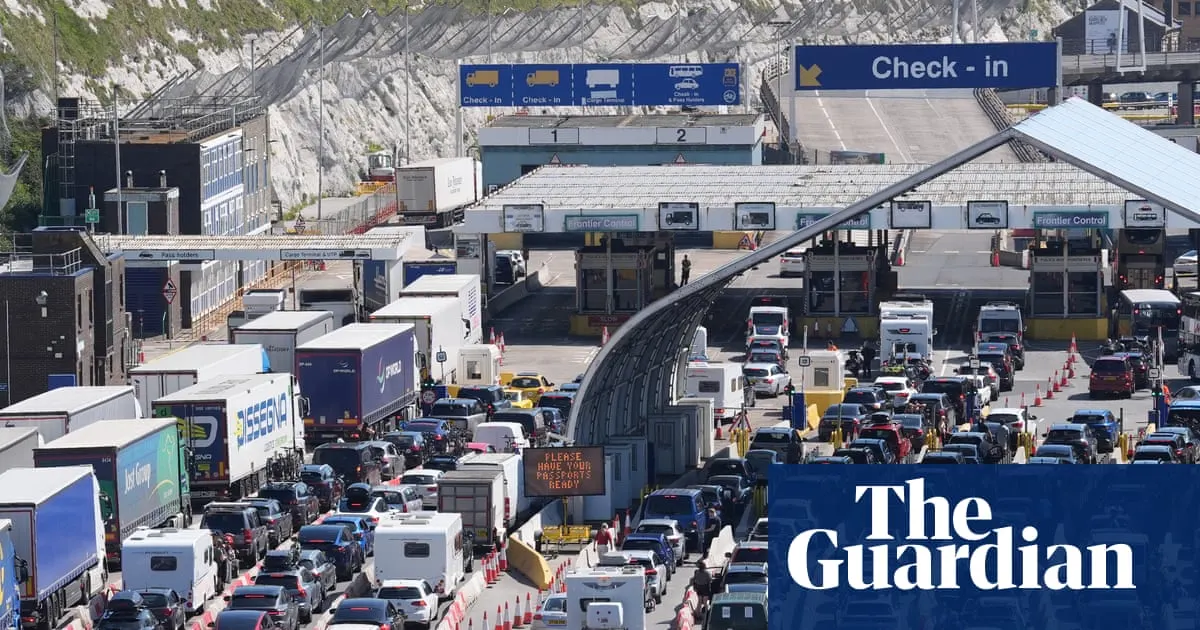
The UK and EU are meeting in Brussels to negotiate a closer long-term relationship, with three proposed agreements intended to ease trade, reconnect emissions markets and allow young people to live and work across the Channel. The deals could reduce post-Brexit barriers, but require the UK to align with some EU rules and remain tied to unresolved disputes.
The food and drink agreement would simplify trade in animal and plant products, though it is not expected to start before 2028 and would require changes such as dropping the planned foie gras import ban. Linking emissions trading systems would exempt businesses from each other’s charges on high-carbon imports. The proposed mobility scheme would cover 18- to 30-year-olds for up to three years, but its timing and scale are disputed: the EU wants 100,000 visas a year, while the UK proposes 50,000 to 80,000. Tuition fees for EU students and UK access to the EU’s “Made in Europe” procurement plan are also unresolved.
In short
- The summit aims to agree three EU-UK deals.
- Youth mobility numbers and student fees remain disputed.
- UK access to “Made in Europe” is uncertain.
Steelman: both sides, in good faith
The strongest fair case each way — we don't pick a winner.
The case for
Supporters argue that closer UK-EU agreements could cut costly border checks, make trade in food and drink more predictable, and link emissions markets in ways that reduce charges on businesses. They also see a limited youth mobility scheme as a practical way to widen work and cultural opportunities, while accepting that shared rules and compromises are part of securing these benefits.
The case against
Critics argue that the gains may come at the cost of UK control, since easier trade would require alignment with some EU rules and could constrain future policy choices. They may also question whether the benefits justify unresolved compromises, including the proposed change to the foie gras ban, the scale of youth mobility, and outstanding disputes over student fees and procurement access.
Explained simply
Since leaving the EU, the UK has traded with the bloc under new rules, creating extra checks for some goods and businesses. The EU is a group of European countries with a shared market, while the UK now sets many of its own rules; closer cooperation can reduce barriers but may require the UK to follow some EU standards.
The talks involve the UK government and the EU’s institutions and member states. They cover trade in food and drink, linking systems that charge for greenhouse gas emissions, and a possible scheme for young adults to live and work on the other side of the Channel.
The negotiations matter because any agreements could affect businesses, students and young people in both the UK and EU. Questions about rules, access and the terms of the proposed schemes sit alongside wider unresolved disputes between the two sides.
Climate Europe Geopolitics Politics Science Software Technology UK World
Read the full article at the source →
Originally published by The Guardian as “What is a stake at the EU-UK summit in Brussels?”.