Politics news and discussion on TalkFuse.
What is Diwali, the Festival of Lights, and how is it celebrated?
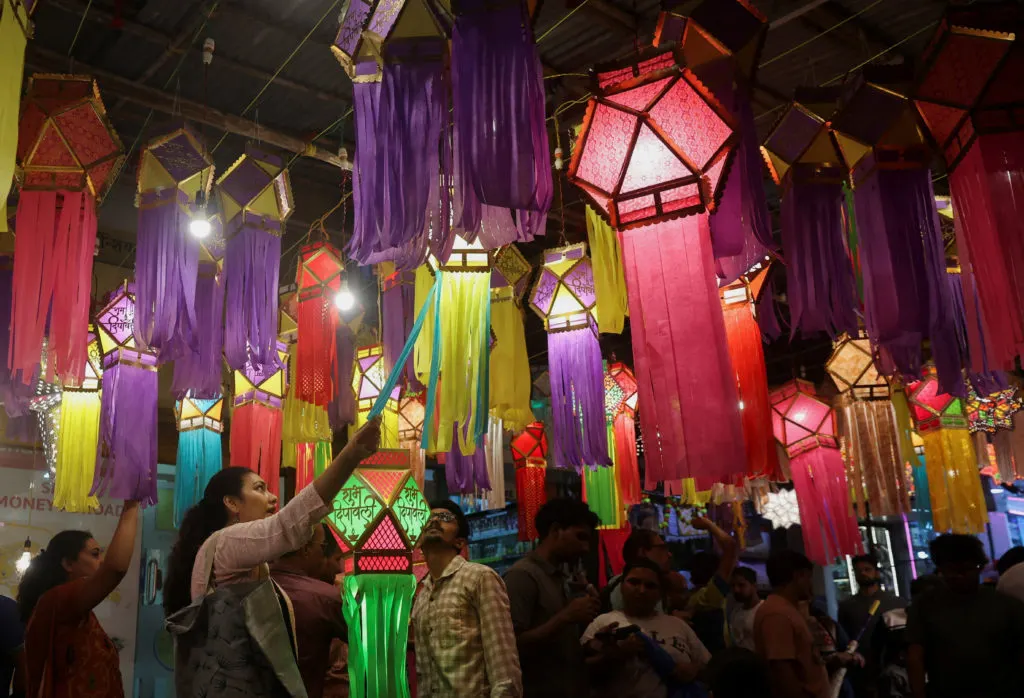
Diwali, the Festival of Lights, is a major annual celebration in India and among its diaspora, observed by more than one billion people across several faiths. Its central theme is the triumph of good over evil and light over darkness, expressed through prayer, family gatherings and rows of lamps.
The festival follows the Hindu lunar calendar and falls on 8 November this year. Traditions vary: many people light firecrackers, exchange sweets and gifts, wear new clothes or create colourful rangoli patterns; some buy gold, worship Lakshmi or take a ritual oil bath. Jains mark the day Mahavira attained liberation, Sikhs celebrate Guru Hargobind’s release from imprisonment, and some Buddhists commemorate Emperor Ashoka’s conversion.
In short
- Diwali falls on 8 November this year.
- More than one billion people celebrate across faiths.
- Customs include lamps, prayers, fireworks and family gatherings.
Explained simply
Diwali is an annual festival celebrated by Hindu, Jain and Sikh communities, as well as some Buddhists, in India and around the world. Its date changes each year because it follows the Hindu lunar calendar, and customs differ between communities and families.
The festival is often called the Festival of Lights: lamps and candles symbolise light overcoming darkness and good overcoming evil. Celebrations can include prayers, family visits, sweets and gifts, new clothes, firecrackers and colourful rangoli designs.
Diwali has different meanings across faiths. Many Hindus honour Lakshmi, the goddess of wealth; Jains remember Mahavira’s liberation, Sikhs mark Guru Hargobind’s release from imprisonment, and some Buddhists recall Emperor Ashoka’s conversion.