Entertainment news and discussion on TalkFuse.
What is IMAX Enhanced and do you really need it?
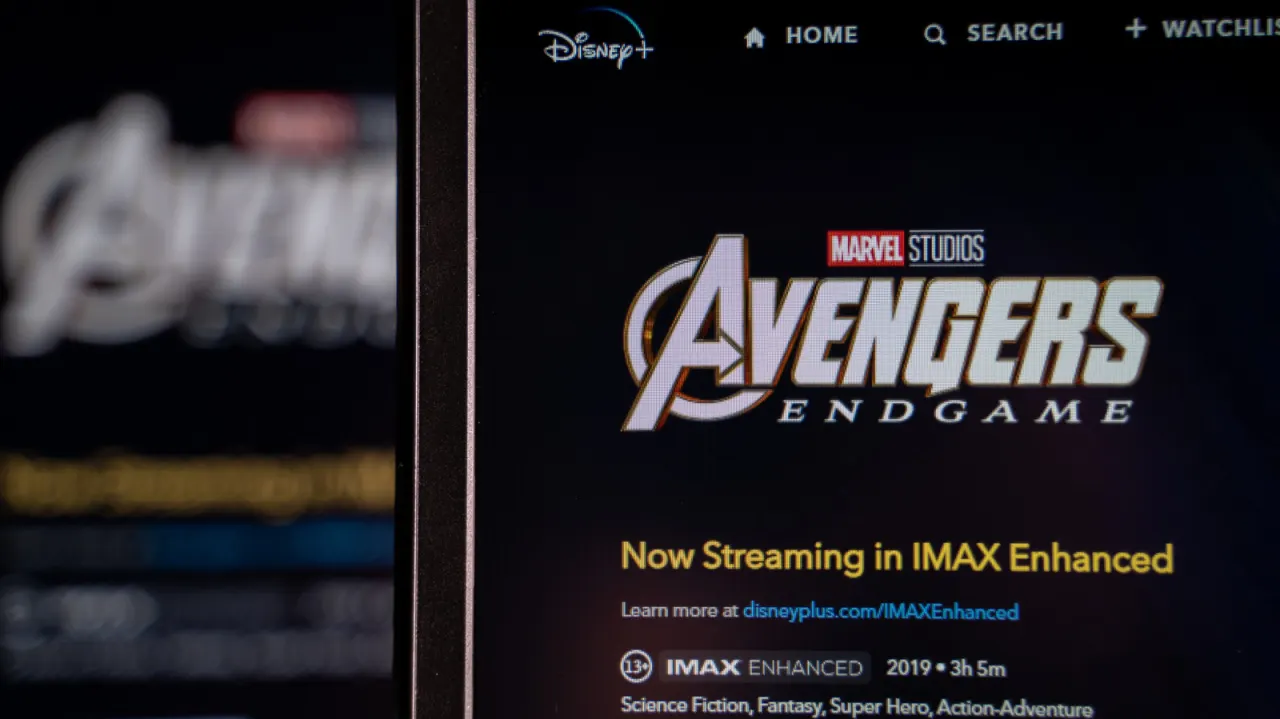
IMAX has extended its brand from cinema screens into the home with "IMAX Enhanced," a certification appearing on a growing number of titles on services like Disney+. However, the label can be misleading, as it does not guarantee the absolute best picture or sound quality: streaming bitrates are capped to avoid buffering, and 4K Blu-ray discs typically offer superior technical fidelity even without the IMAX name attached.
The certification's main appeal is a taller aspect ratio, with IMAX Enhanced films on Disney+ presented at 1.90:1 rather than the standard 2.39:1 widescreen, filling more of a typical 16:9 television screen, alongside HDR and Digital Media Remastering for improved image quality. It also promises "theatre-quality" sound, though this depends on the viewer having equipment supporting DTS:X spatial audio. Notably, no special IMAX-certified hardware is required to benefit from the format, unlike standards such as Dolby Vision, and physical 4K Blu-ray releases from studios such as Disney often lack the expanded aspect ratio altogether, forcing viewers to choose between IMAX Enhanced's wider framing on streaming or a disc's superior detail.
In short
- IMAX Enhanced is a home-viewing certification, not just a cinema format
- It offers a taller aspect ratio and HDR, but limited streaming bitrates
- No special hardware needed, unlike some competing standards
Steelman: both sides, in good faith
The strongest fair case each way — we don't pick a winner.
The case for
IMAX Enhanced can offer a more immersive home viewing experience by showing more of the image vertically, filling more of a 16:9 television, and adding HDR and remastered picture and sound. Because viewers do not need certified hardware, the label can make these features accessible through compatible services and equipment.
The case against
The badge can imply a level of quality it does not guarantee: streaming limits can reduce picture and sound fidelity, and 4K Blu-ray often preserves more detail. The taller framing and spatial audio may matter less to viewers who prefer the original widescreen presentation or lack DTS:X equipment, so the label alone may not justify choosing a stream over a disc.
Explained simply
IMAX is known for films shown on large cinema screens, and it has brought its name to a home viewing format called IMAX Enhanced. The label appears on some films on streaming services such as Disney+ and describes how they are presented on compatible TVs and sound systems.
A key feature is a taller picture, which can show more of the image vertically and fill more of a standard widescreen TV. The format also includes picture adjustments and can support spatial sound, though the sound benefit depends on having suitable equipment.
The label does not guarantee the highest technical quality: streaming services limit how much data a film can use, while 4K Blu-ray discs often preserve more detail. Viewers may therefore encounter different trade-offs between the taller framing available on some streams and the picture quality or presentation of a disc.