What is kratom? Risks of popular substance revealed after college students’ deaths
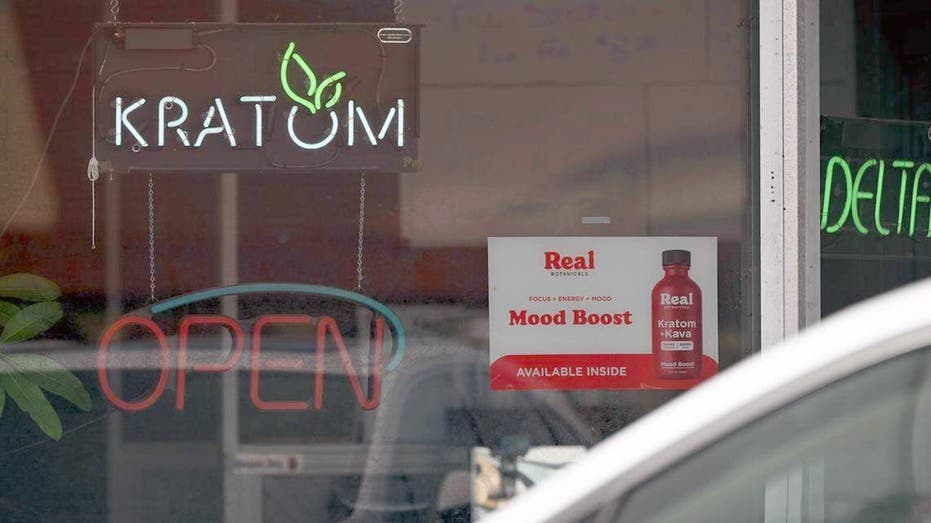
The deaths of two University of Mississippi students have prompted investigation into the health risks of kratom, a plant-based substance widely available over the counter and marketed as a natural remedy for pain relief and opioid withdrawal. Kratom was recovered at both investigation sites, though authorities have not confirmed whether it contributed to the deaths. The incident highlights growing concerns about kratom's dangers, particularly its increasing popularity among young people who purchase it from gas stations, smoke shops and health food stores often without understanding its risks.
Kratom's effects are dose-dependent: at low doses it acts as a stimulant and can provoke heart arrhythmias, whilst at high doses it functions like an opioid and can suppress breathing. Experts warn that it is highly addictive, can cause dangerous sedation and dangerous interactions when combined with alcohol, marijuana or benzodiazepines. Newer concentrated 7-OH products containing 7-hydroxymitragynine are particularly potent compared to traditional kratom. College students are using kratom for two main reasons: as a stimulant to aid studying and academic performance, or for its opioid-like effects to alleviate stress and anxiety. Withdrawal from regular kratom use can trigger seizures, and medical attention should be sought if users experience slow breathing, excessive drowsiness or difficulty waking.
- Two college students' deaths spark concerns about kratom's serious health risks
- Kratom can cause heart problems, respiratory suppression, addiction and deadly interactions with other substances
- Readily available over the counter; withdrawal can trigger seizures and requires medical attention