Backup cameras aid reversing, while rearview cameras show traffic behind while driving
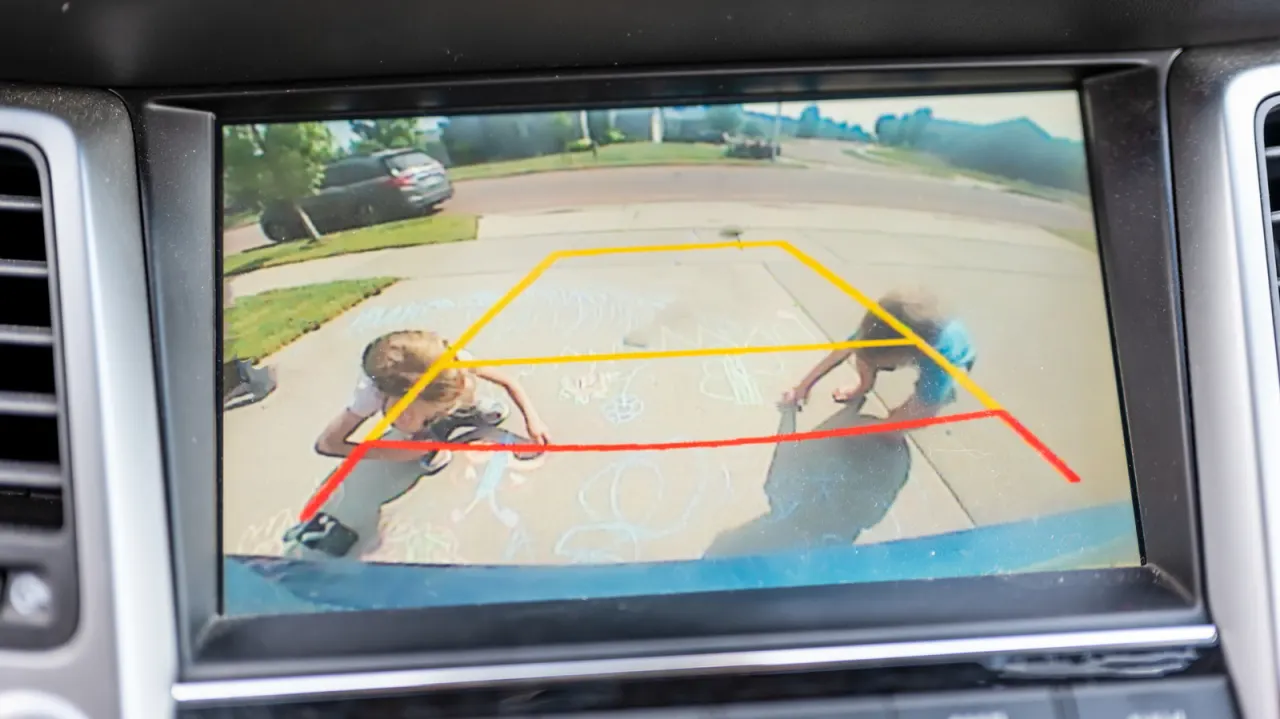
A backup camera shows the area behind a vehicle when the driver selects reverse, helping with parking and avoiding nearby obstacles. A rearview camera provides a continuous view of traffic behind the car while driving, and some models can also record incidents.
Backup cameras commonly offer a wide 150- or 180-degree view, guidance lines and proximity alerts. US vehicles from model year 2018 and newer are required to have them, while a similar EU requirement took effect in 2022; continuous rearview cameras are not standard on all new cars. Aftermarket cameras are available, with backup camera add-ons ranging from $40 to more than $400, and rear dash cameras can sometimes serve both purposes.
- Backup cameras switch on in reverse to aid manoeuvring.
- Rearview cameras show traffic behind the car continuously.
- Backup camera add-ons cost from $40 to over $400.
New here? Start with this
A backup camera activates when a driver selects reverse, displaying the area directly behind the vehicle on a screen. This helps drivers see obstacles, pedestrians, and other vehicles that are hidden from view, making parking and manoeuvring safer.
A rearview camera works continuously whilst the car is driving, rather than only when reversing, providing a live view of traffic and activity behind the vehicle. Some rearview systems also record video, which can serve as evidence if the car is involved in a collision or incident on the road.
Backup cameras are now legally required on new vehicles in the United States and European Union, reflecting their value as a safety feature. Rearview cameras remain optional on most new cars, though drivers can add either type to older vehicles through aftermarket options, with costs varying significantly depending on the system.
Read the full article at the source →
Originally published by Engadget as “What is the difference between a rearview and a backup camera?”.