World news and discussion on TalkFuse.
What Lindsay Clancy prosecutors should change for her new trial — and why they face an uphill battle: experts
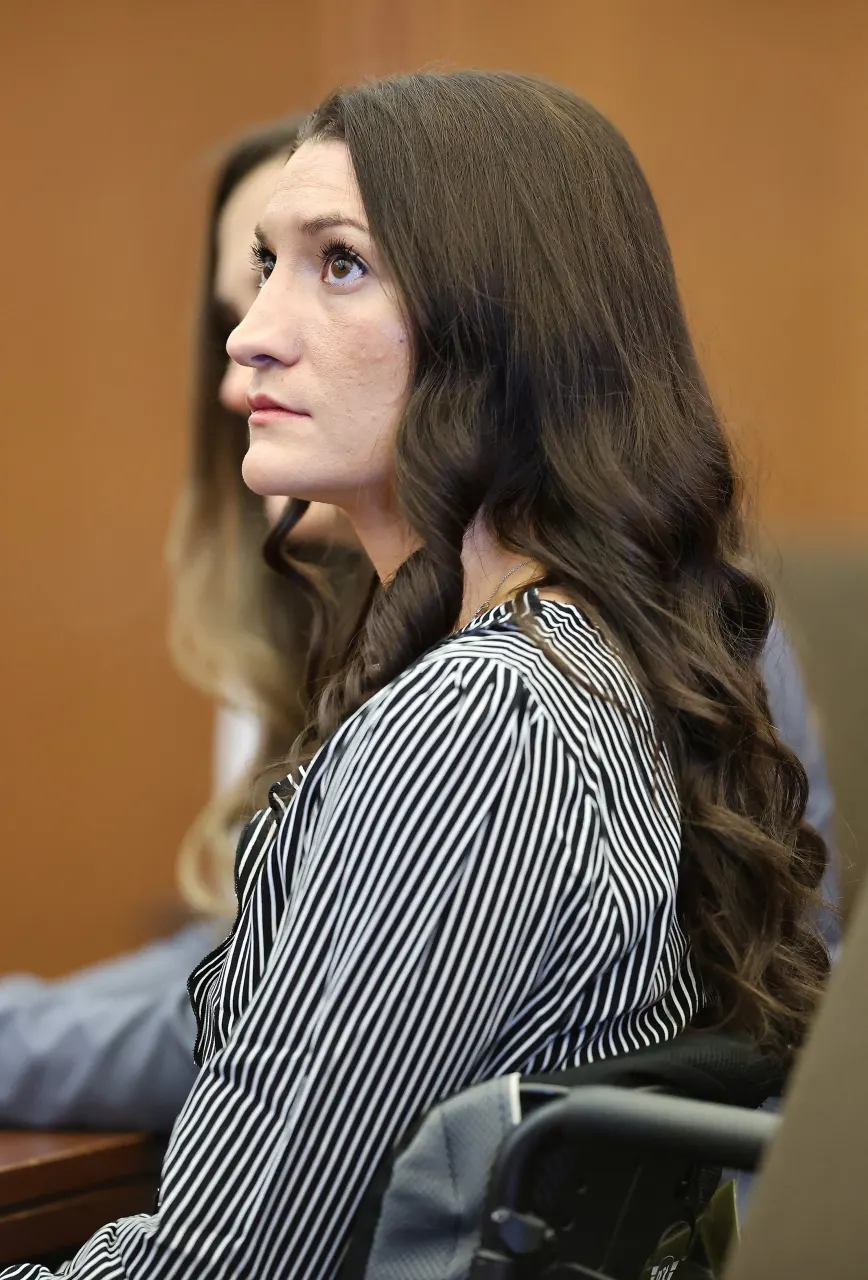
A jury could not reach a unanimous verdict in the first-degree murder trial of Lindsay Clancy, prompting a retrial scheduled for 29 March. Legal experts say prosecutors face an uphill battle and could improve their credibility by acknowledging her mental health struggles while arguing they did not remove her criminal responsibility.
Clancy’s defence argued she was experiencing severe postpartum psychosis and heard a voice commanding her to kill her three children; prosecutors said the deaths were planned. After the 4 September mistrial, 11 jurors reportedly favoured the defence and one wanted to convict. Experts say prosecutors have the same facts and witnesses, and may need to streamline their case and emphasise evidence of premeditation; changing mental-health experts could be difficult.
In short
- Clancy’s retrial is scheduled for 29 March.
- Eleven jurors favoured the defence in the mistrial.
- Experts urge prosecutors to acknowledge her mental health struggles.
Steelman: both sides, in good faith
The strongest fair case each way — we don't pick a winner.
The case for
Prosecutors can argue that evidence of planning and preparation shows Clancy understood and intended her actions, even if she was experiencing serious mental illness. Acknowledging her postpartum struggles while distinguishing them from legal responsibility could make that case more credible, and a streamlined retrial could help jurors focus on the evidence.
The case against
The defence can argue that severe postpartum psychosis impaired Clancy’s ability to understand or control her actions, so evidence of planning does not by itself establish criminal responsibility. The reported jury split suggests many jurors found the mental-health evidence persuasive, and repeating substantially the same case may leave prosecutors facing the same doubts.