World news and discussion on TalkFuse.
What makes a good comic novel? Andrew Sean Greer on the joy of funny writing
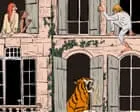
Andrew Sean Greer argues that comic novels are difficult to define but are distinguished by an author’s decision to treat painful, serious or absurd experiences as funny. He suggests that humour can reveal the same truths about love, grief, death and human behaviour as tragedy, while making difficult realities more bearable for readers.
Drawing on his pandemic reading, Greer says he turned from Agatha Christie’s dependable plots to comic fiction as a response to continuing uncertainty. He cites writers including PG Wodehouse, Herman Melville and Vladimir Nabokov, and describes writing comedy as a two-stage process: first understanding characters’ hardships realistically, then finding a comic perspective without denying their seriousness.
In short
- Comic novels find humour in subjects that could equally be tragic.
- Greer sees comic writing as both demanding and emotionally revealing.
- Humour can help readers face uncertainty and hardship.
Explained simply
Andrew Sean Greer is an American novelist whose fiction often uses humour to explore difficult parts of life. Comic novels do not all follow one formula: their humour can come from characters, events or the way a writer sees the world.
Greer argues that comedy can address subjects such as love, grief and death, much like tragedy, while helping readers face them. He points to writers including PG Wodehouse, Herman Melville and Vladimir Nabokov, whose very different books show how varied comic writing can be.
During the pandemic, Greer turned to comic fiction after reading Agatha Christie’s detective stories. He describes writing it as a balance: first taking characters’ hardships seriously, then finding a way to make their experiences funny without dismissing them.