News, events and chat from Sheffield and South Yorkshire.
“What message does this put out?” – Police Federation raises converns over prisoner early release scheme
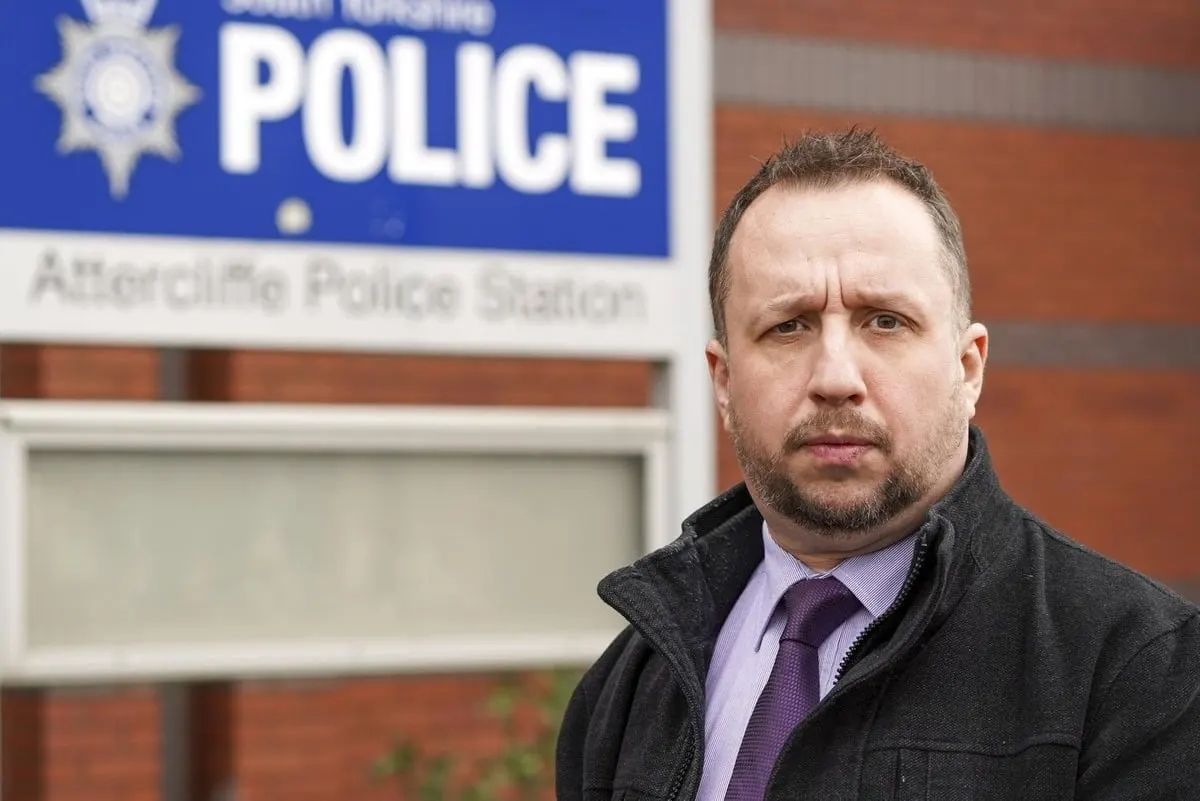
The Government's early prisoner release scheme, created to address overcrowded prisons, is facing fresh scrutiny from police leaders who argue it undermines public confidence in the justice system and negates their work. South Yorkshire Police Federation chairman Steve Kent expressed concern that when serious offenders serve only a fraction of their sentences before release, it sends a damaging signal to potential criminals and reportedly encourages further offending, all whilst police bear the blame for rising crime.
Police frustration intensified after the revelation that the two men convicted of murdering police constable Andrew Harper could be eligible for early release under the scheme. Following mounting criticism from law enforcement, victims' families, and MPs, Prime Minister Andy Burnham delayed the scheme's planned September expansion to October for an urgent review. The Government has confirmed permanent exemptions for rapists, child sex offenders and groomers, whilst continuing discussions about whether violent offenders, domestic abusers and terrorists should also be excluded.
In short
- Police federation warns that releasing serious offenders early sends the wrong message and encourages reoffending
- Scheme suspended for urgent review after controversy over eligibility of PC Andrew Harper's killers and other high-risk offenders
- Government confirms rapists and child sex offenders excluded; debate continues on violent abusers and terrorists
Steelman: both sides, in good faith
The strongest fair case each way — we don't pick a winner.
The case for
The government faces a genuine crisis with dangerously overcrowded prisons, which creates conditions that worsen prisoner wellbeing, staff safety, and rehabilitation prospects. Early release programmes, with appropriate safeguards and exemptions for the most serious offences, offer a necessary interim solution whilst the system is reformed. Advocates contend that prison conditions themselves undermine public safety by damaging rehabilitation, and that strategically releasing lower-risk prisoners preserves capacity for those who pose greater danger.
The case against
Police and justice stakeholders argue that releasing serious offenders early, even those convicted of murder, fundamentally undermines public confidence in the justice system and the deterrent effect of law. When citizens see offenders serve only a fraction of their sentences, it signals that crime carries insufficient consequences, potentially encouraging reoffending and leaving victims' families with profound injustice. This approach also negates the efforts of law enforcement and risks damaging the public's faith that the criminal justice system takes their safety and rights seriously.
Explained simply
The early release scheme was introduced to ease overcrowding in prisons by allowing some people to leave before serving their full sentence. Eligibility depends on the rules for the scheme, and some serious offences are excluded.
Police Federation representatives speak for police officers on workplace and professional issues. The debate has sharpened over which offences should qualify, including after the men convicted of murdering PC Andrew Harper were reported to be eligible for release under the scheme.
The rules matter because they affect how prison sentences are served and how victims, the public and police view the justice system. The Government has confirmed exclusions for some sexual offences, while considering whether to exclude other violent crimes.