What rejoining the EU single market would mean for the UK economy
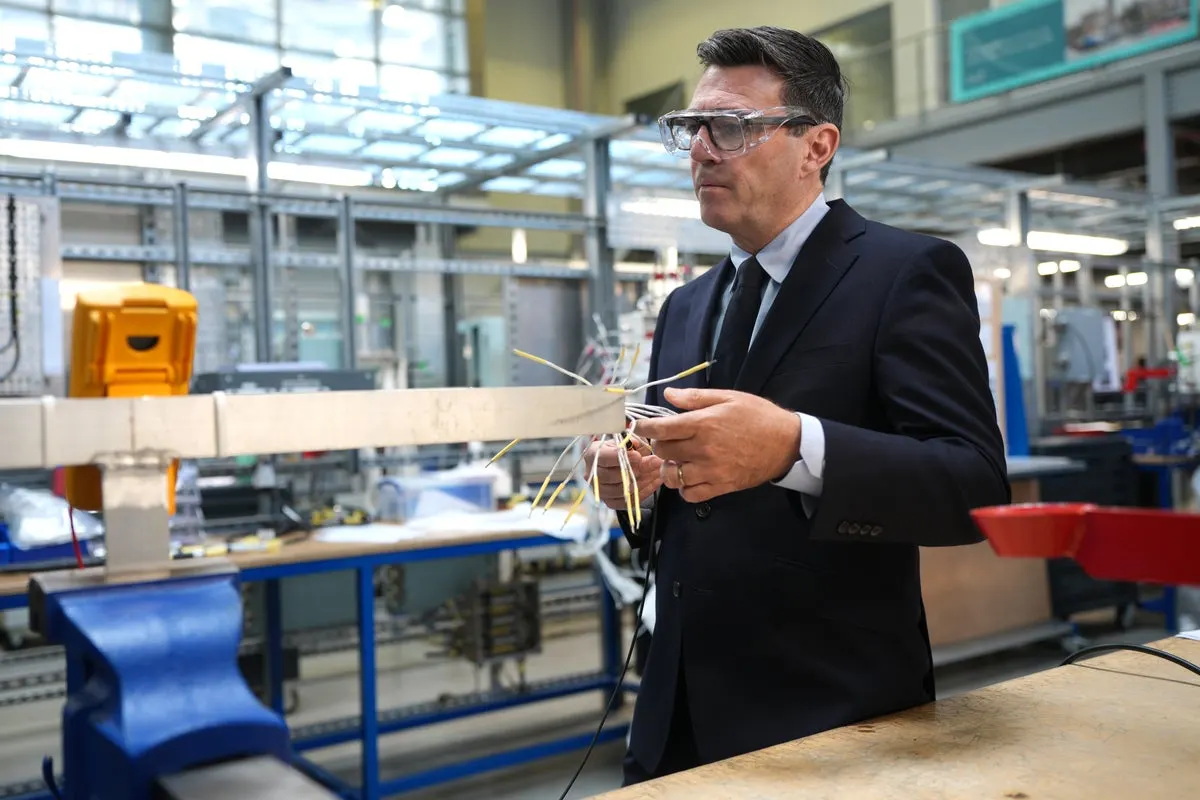
The new Labour prime minister is being urged to pursue closer ties with the EU, including a return to the single market, amid claims this could deliver both electoral and economic benefits. Nick Boles, a former Conservative minister now advising Labour, has proposed a "European Confederation" model offering single market access and youth mobility without requiring free movement or Eurozone membership, arguing this would boost Andy Burnham's standing while damaging the Conservatives and Reform.
New research commissioned by Best for Britain suggests closer EU integration could add £92bn to UK GDP, recovering at least 90 per cent of the economic damage caused by Brexit. YouGov polling from June found 59 per cent of Britons back closer UK-EU relations against 20 per cent opposed, while half support rejoining the single market compared with 26 per cent against. However, economists including RSM's Thomas Pugh caution that any benefit depends heavily on the terms of re-entry, noting that a return to the UK's old arrangement would help but not fully offset losses already incurred from reduced migration, investment and trade since Brexit.
- Labour adviser urges PM to seek closer EU ties via a "European Confederation"
- Research suggests rejoining could add £92bn to UK GDP
- Economists warn benefits depend on terms and won't fully reverse Brexit losses
New here? Start with this
The push for closer ties with the EU comes from Nick Boles, a former Conservative minister who now advises the Labour government, and it lands as the party looks for ways to distinguish itself from the Conservatives and Reform. His proposal, dubbed a "European Confederation," would give the UK access to the EU's single market and youth mobility schemes without accepting free movement of people or joining the euro. This matters because it goes further than Labour's official position so far, and touches one of the most sensitive issues in British politics since Brexit.
The single market is the arrangement that lets EU countries trade with each other with few restrictions, and the UK was part of it before Brexit. Rejoining, or something close to it, is being discussed because of new economic research and opinion polling that suggest public and financial appetite for closer EU relations may have shifted since the UK left. Andy Burnham, the mayor of Greater Manchester, is named as a Labour figure who could benefit politically from championing this approach.
Economists are divided on how much difference a new deal would actually make, since much depends on the exact terms agreed with the EU and how much economic ground has already been lost through changes to migration, investment and trade patterns since Brexit. This background matters for understanding why the debate is as much about politics and public opinion as it is about economic modelling.
Art Business Culture Economy Europe Government Politics UK World