World news and discussion on TalkFuse.
What the golf cart industry can teach us about China’s threat to American jobs
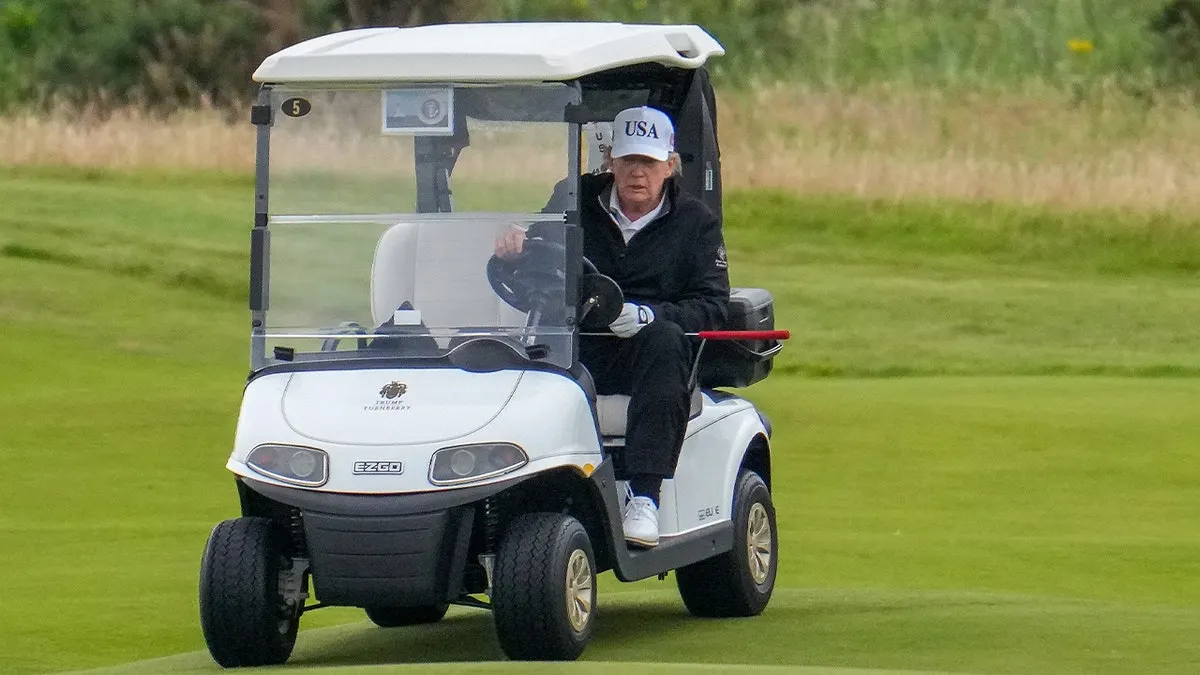
The opinion article uses the US golf-cart industry to illustrate broader concerns about China’s impact on American manufacturing and employment. It argues that Chinese government support and allegedly unfair pricing can undermine US companies, reducing production, jobs and investment in manufacturing communities.
US imports of low-speed personal transportation vehicles from China exceeded $522 million in 2023, more than double the 2021 figure. The Department of Commerce found Chinese producers had benefited from countervailable subsidies and sold vehicles below fair value, prompting anti-dumping and countervailing-duty measures; however, the article says companies have sought to evade them through altered supply chains, relabelling or third-country routes.
In short
- Chinese golf-cart imports have more than doubled since 2021.
- US manufacturers report falling jobs, production and profitability.
- The article calls for stronger enforcement of trade protections.
Steelman: both sides, in good faith
The strongest fair case each way — we don't pick a winner.
The case for
Supporters of the article’s argument say that state subsidies and below-fair-value pricing can give Chinese producers an artificial advantage, undercut US manufacturers and weaken jobs, investment and manufacturing communities. They argue that trade remedies are justified if companies evade duties by changing labels or routing goods through third countries, and can help preserve fair competition.
The case against
Critics may argue that imports can lower prices and widen choice for consumers and businesses, while competition can spur US firms to improve. They may also caution that duties and broader claims about Chinese support should be carefully evidenced and enforced, since protection can raise costs and may not restore jobs if production shifts or firms struggle for other reasons.
Explained simply
Golf carts are part of a wider market for small, low-speed vehicles used on golf courses, in holiday resorts and around some neighbourhoods. US manufacturers compete with overseas producers, including companies in China, whose vehicles have become a significant part of US imports.
The US Commerce Department investigates whether imports are sold below fair value or benefit from government subsidies. If it finds that they are, it can impose extra duties to counter those advantages. The debate matters because changes in production and trade can affect US factories, workers and the communities that depend on manufacturing.
Americas Art Asia Business Culture Economy World