Video games news, releases, esports and culture — all the biggest gaming stories in one place.
What the Heck Is Marvel Doing With the Hulk Anyway!?
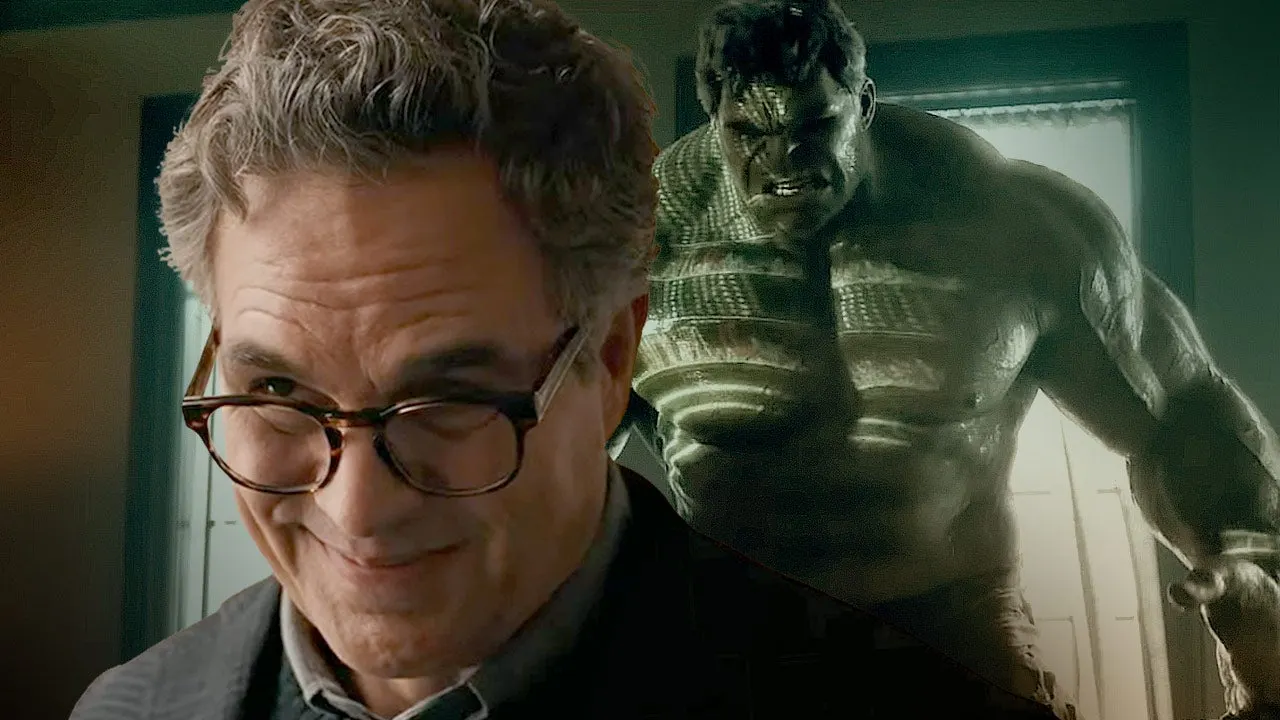
Spider-Man: Brand New Day, the fourth Tom Holland solo Spider-Man film, has arrived in cinemas and features a supporting appearance from Mark Ruffalo's Bruce Banner/Hulk. While the film is expected to be a major box office success for Sony and Marvel, IGN argues that Banner's portrayal exposes a long-running continuity problem in the MCU, where the character seems to change inconsistently between appearances without clear explanation.
In the new film, Banner appears as an Empire State University physics professor wearing a gamma inhibitor device, first introduced in Shang-Chi and later explored in She-Hulk, where damage to a similar device turned him back into his calmer "Professor Hulk" form. In Brand New Day, however, damage to the inhibitor instead triggers his more feral "Savage Hulk" persona, last seen in Infinity War, with no clear in-story explanation for the shift, despite Banner having previously said he had merged his two personas permanently. IGN suggests the filmmakers likely prioritised an exciting action sequence over strict continuity, since Hulk is not central to a Spider-Man film, but notes this fits a broader pattern of inconsistent Hulk characterisation across the MCU, starting from Edward Norton's original 2008 portrayal through to Ruffalo's various later versions.
In short
- Spider-Man: Brand New Day features Mark Ruffalo's Hulk in a supporting role.
- His transformation into "Savage Hulk" contradicts earlier MCU continuity.
- Highlights the MCU's recurring inconsistency in portraying the Hulk character.
Steelman: both sides, in good faith
The strongest fair case each way — we don't pick a winner.
The case for
When characters appear in supporting roles, filmmakers reasonably prioritise immediate narrative and emotional impact over archaeological details from prior MCU entries. Comic book storytelling has traditionally evolved across different creative visions, and audiences engaging with Spider-Man need not master prior continuity to enjoy the film; demanding rigid adherence to every technical explanation risks sacrificing dynamic storytelling for encyclopaedic consistency.
The case against
The MCU's value proposition explicitly rests on interconnected storytelling where character arcs carry meaningful narrative weight. When Banner states he has permanently merged his personas, reversing that without explanation contradicts established character logic; the MCU has demonstrated capability in maintaining complex continuity with other characters, making this inconsistency appear selective rather than structurally unavoidable.
Explained simply
The Hulk is the powerful, often uncontrollable alter ego of scientist Bruce Banner, played in most Marvel Cinematic Universe films by Mark Ruffalo. Banner changes into the Hulk after exposure to gamma radiation, and Marvel has shown different sides of the character over the years, from a destructive force to a calmer version who can speak and think clearly.
In Avengers: Infinity War, Banner struggled to transform into the Hulk, while Avengers: Endgame showed him combining his human intelligence with the Hulk’s strength. Later appearances introduced a device that could help manage his transformations. These shifts matter because the films form a shared story, so viewers may expect changes in Banner’s character to be explained across different films and series.