What to know about Sunday’s election in Sweden, NATO’s newest member
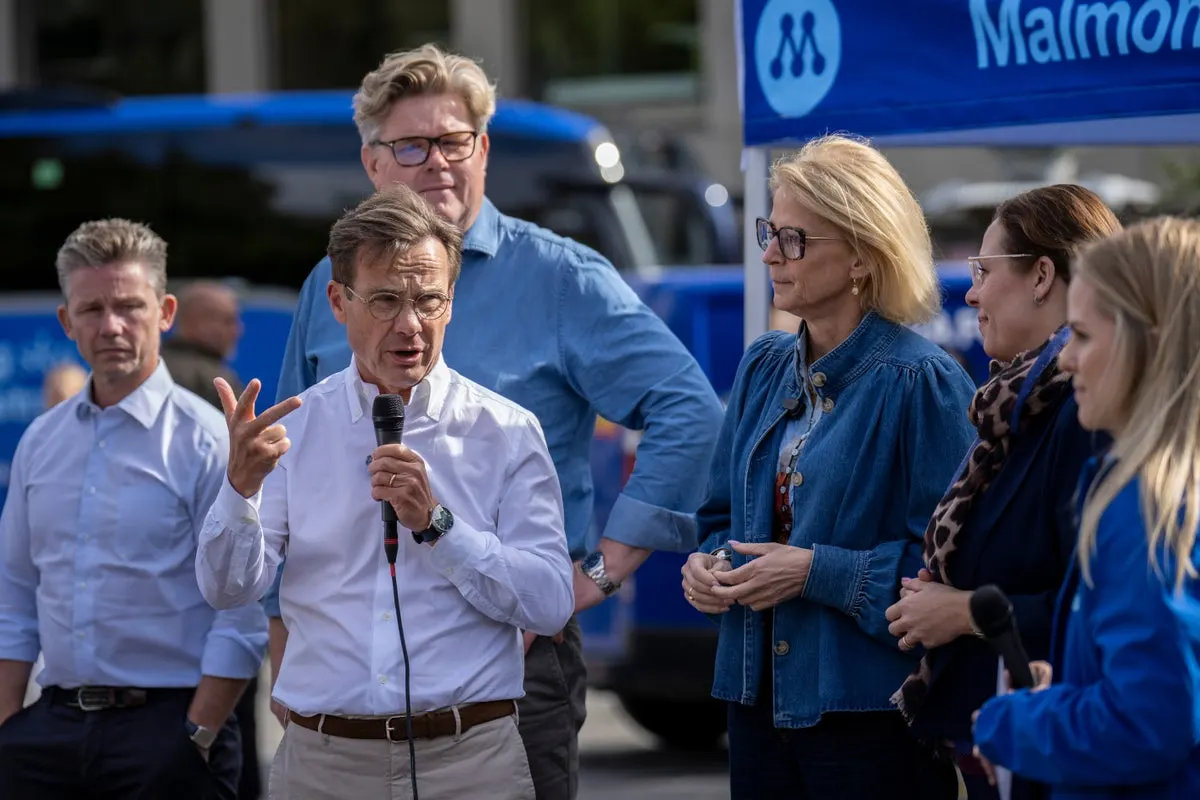
Sweden goes to the polls on Sunday in an election that will decide whether Prime Minister Ulf Kristersson secures a second term or the centre-left, led by former PM Magdalena Andersson, returns to power. A notable feature this time is that the hard-right, anti-immigration Sweden Democrats could win Cabinet posts for the first time if Kristersson's right-wing bloc is re-elected, marking a significant shift for a party with roots in far-right extremist groups. The vote matters beyond Sweden's borders as a test of how far populist right-wing gains seen elsewhere in Europe, including a recent far-right win in a German state election, are taking hold in Scandinavia.
More than eight million of Sweden's roughly 10.6 million people are eligible to vote for the 349-seat Riksdag, with parties needing at least 4% support to win seats. Kristersson's three-party coalition has governed since 2022 with outside backing from the Sweden Democrats, who took 20.5% of the vote at the last election, and he has said the party could now join government while he remains prime minister. Analysts describe the campaign as fragmented, dominated less by policy issues such as healthcare than by questions over which bloc can form a majority, with the Social Democrats' cautious campaigning possibly costing them support despite consistently leading in opinion polls.
In short
- Sweden votes Sunday for PM Kristersson or challenger Andersson.
- Hard-right Sweden Democrats could enter government for first time.
- Campaign dominated by coalition politics rather than policy debate.
Steelman: both sides, in good faith
The strongest fair case each way — we don't pick a winner.
The case for
Supporters of Kristersson’s bloc could argue that bringing the Sweden Democrats into Cabinet would give direct responsibility to a party that already commands substantial voter support and influences government policy. They may see a renewed right-wing government as the best route to stable parliamentary backing and continuity, while treating the election as a choice voters should make on current priorities rather than the party’s past.
The case against
Supporters of Andersson’s centre-left bloc could argue that giving the Sweden Democrats Cabinet posts would normalise a party with roots in extremist groups and grant it greater influence over national policy. They may favour a change of government to limit that shift and argue that Sweden’s election should weigh the consequences for democratic norms and social cohesion, as well as the ability to form a majority.
Explained simply
Sweden is a parliamentary democracy, where voters elect the Riksdag, the country’s national legislature. Its 349 seats are shared among parties that win at least 4% of the vote, and a government needs enough support in the Riksdag to govern.
The main contenders are the right-wing bloc led by Prime Minister Ulf Kristersson and the centre-left led by former prime minister Magdalena Andersson. Since 2022, Kristersson’s three-party government has relied on support from the Sweden Democrats, an anti-immigration party with roots in far-right extremist groups.
The Sweden Democrats’ role matters because they may move from supporting a government from outside to holding Cabinet posts. Sweden’s choice is also being watched elsewhere in Europe as a measure of the strength of populist right-wing parties.
Art Business Culture Economy Elections Geopolitics Government Politics