Business news and discussion on TalkFuse.
What Trump’s new tariffs mean for you and the UK economy
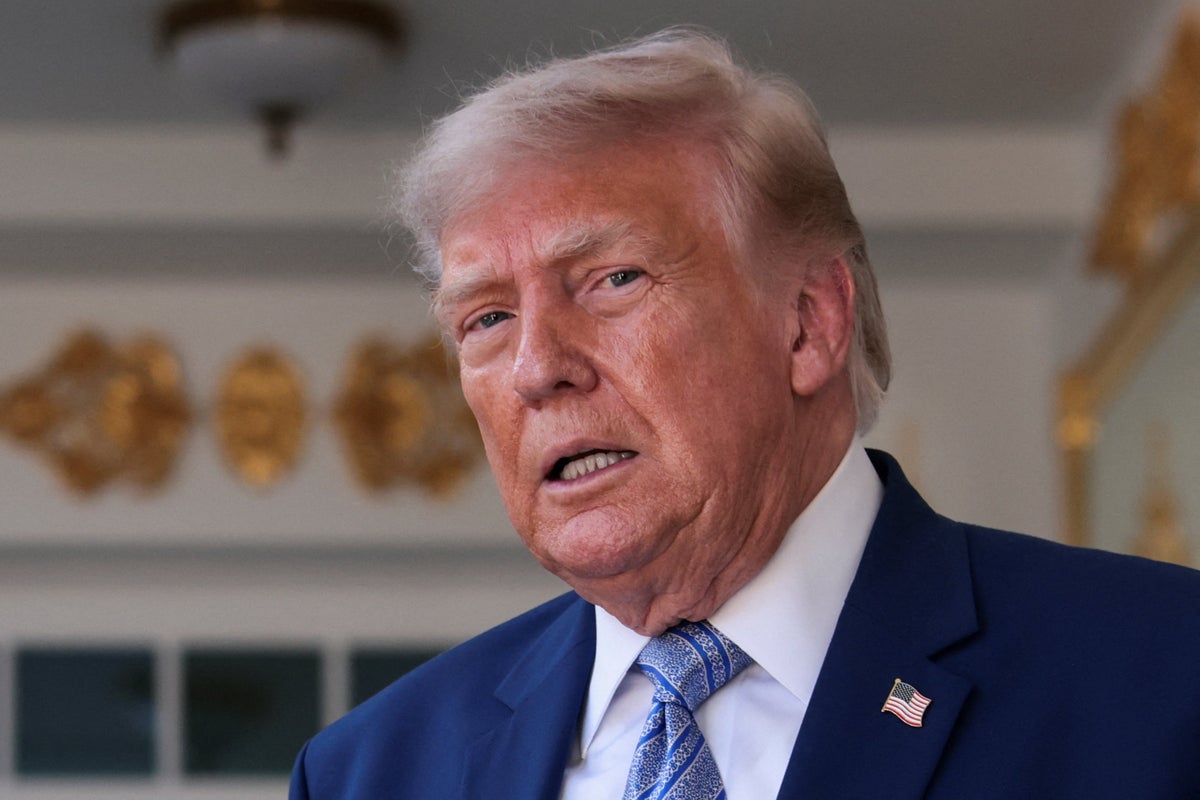
Donald Trump has imposed new tariffs on 60 countries, including the UK, replacing a previous 10 per cent global levy. The measures matter because the US is the UK’s largest single export market, so tariffs can reduce American demand for British goods and add pressure on exporters, even though US importers formally pay the charge.
The UK will still face a 10 per cent duty on many goods, but whisky and medical equipment have been exempted. Scotch whisky exports to the US were worth £933 million in 2025, while medical-device exports exceed £115 million annually; UK goods exports to the US fell 10.3 per cent, from £66.5 billion in 2024 to £59.7 billion in 2025. The article says any UK price benefit is likely to be limited, with the most direct costs falling on US businesses and consumers.
In short
- UK exports remain subject to a 10 per cent US tariff.
- Whisky and medical equipment are newly exempt.
- UK goods exports to America fell sharply in 2025.
Steelman: both sides, in good faith
The strongest fair case each way — we don't pick a winner.
The case for
Supporters of protective tariffs argue they serve legitimate national interests by shielding domestic industries and workers from pricing pressures that undercut fair competition. They contend that tariffs address trade imbalances, generate government revenue, and strengthen negotiating leverage in future trade discussions. From this perspective, the adjustment costs are acceptable if they preserve strategic economic capacity and worker livelihoods in important sectors.
The case against
Opponents argue that tariffs ultimately harm ordinary consumers through higher prices on imported goods whilst disrupting supply chains for businesses dependent on foreign inputs. They contend that retaliatory measures from trading partners damage export sectors, and that overall economic efficiency is sacrificed when markets are distorted by artificial barriers. From this perspective, the long-term costs to growth and living standards outweigh any short-term protections for particular industries.
Explained simply
Britain and America have a significant trade relationship, with the United States being the UK's largest single export market. British companies sell goods worth tens of billions of pounds to America each year, including Scotch whisky worth £933 million in 2025 and medical devices worth over £115 million annually. When America changes its trading rules, these British exporters and the people working in these industries feel the impact directly.
Tariffs are taxes placed on goods coming into a country from abroad, making foreign products more expensive than domestic ones. When the United States introduces tariffs on British goods, American buyers must pay more for these products, which typically reduces demand. Although the tariff is technically paid by American importers, this cost often flows through as higher prices for American consumers and reduced sales for British exporters.
The UK economy depends significantly on these export markets, and changes to trade barriers can affect business decisions and employment. British exporters will face pressure if tariffs reduce American demand for their goods, even if prices for British consumers remain largely unchanged. Understanding these trade relationships helps explain why American tariff policy is significant for the UK economy.
Business Economy Politics UK World