Senate debates expose Republican divisions over Trump and voter concerns
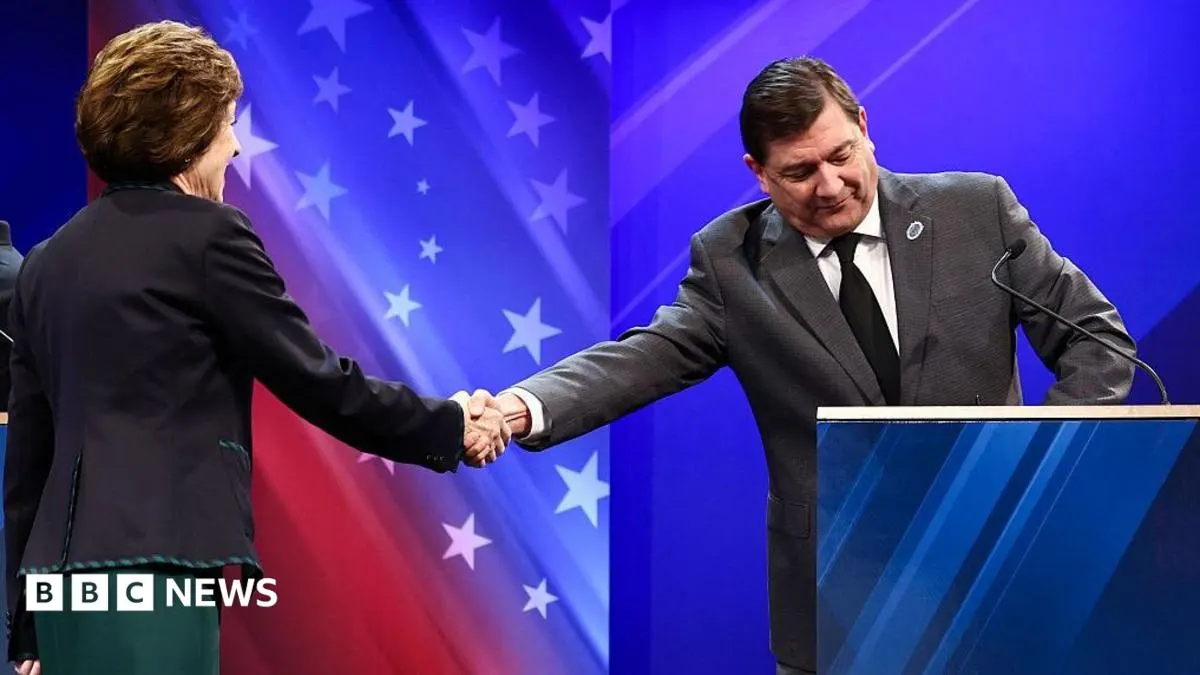
US Senate candidates have used debates to draw sharp distinctions over Donald Trump and trade personal attacks as the 3 November midterm elections approach. The exchanges highlight the pressure on Republicans to show how closely they align with a president whose approval ratings are low, while voters focus on living costs and fuel prices.
In Maine, Republican Susan Collins said she had voted against Trump 137 times in the current Congress as she faces Democrat Troy Jackson in a close race. Iowa Republican Ashley Hinson criticised a proposed deal with Russia to import 300,000 tonnes of fuel, despite maintaining support for Trump. In Michigan, Republican Mike Rogers questioned whether anyone in Democrat Abdul El-Sayed’s family might be on a watchlist; El-Sayed called Rogers a “sock puppet” for the administration.
- Debates have exposed divisions over Republicans’ ties to Trump.
- Cost of living and fuel prices are key voter concerns.
- Candidates have traded pointed personal attacks.
Both sides, in good faith
The strongest fair case each way — we don't pick a winner.
The case for
Republican candidates have reason to distinguish themselves from an unpopular president to reassure voters who value independence and are concerned about household costs. Challenging particular policies, such as a fuel deal with Russia, can also show that party loyalty does not rule out scrutiny of decisions they consider risky or poorly judged.
The case against
Republicans who broadly support Trump can argue that voters chose his agenda and expect candidates to advance it, while still raising concerns about specific policies. They may also see a clear association with the president as a way to offer voters a consistent governing programme, rather than distancing themselves in response to short-term approval ratings.
Americas Art Culture Elections Government Politics World
Read the full article at the source →
Originally published by BBC World as “What we learned from heated US midterm Senate debates”.